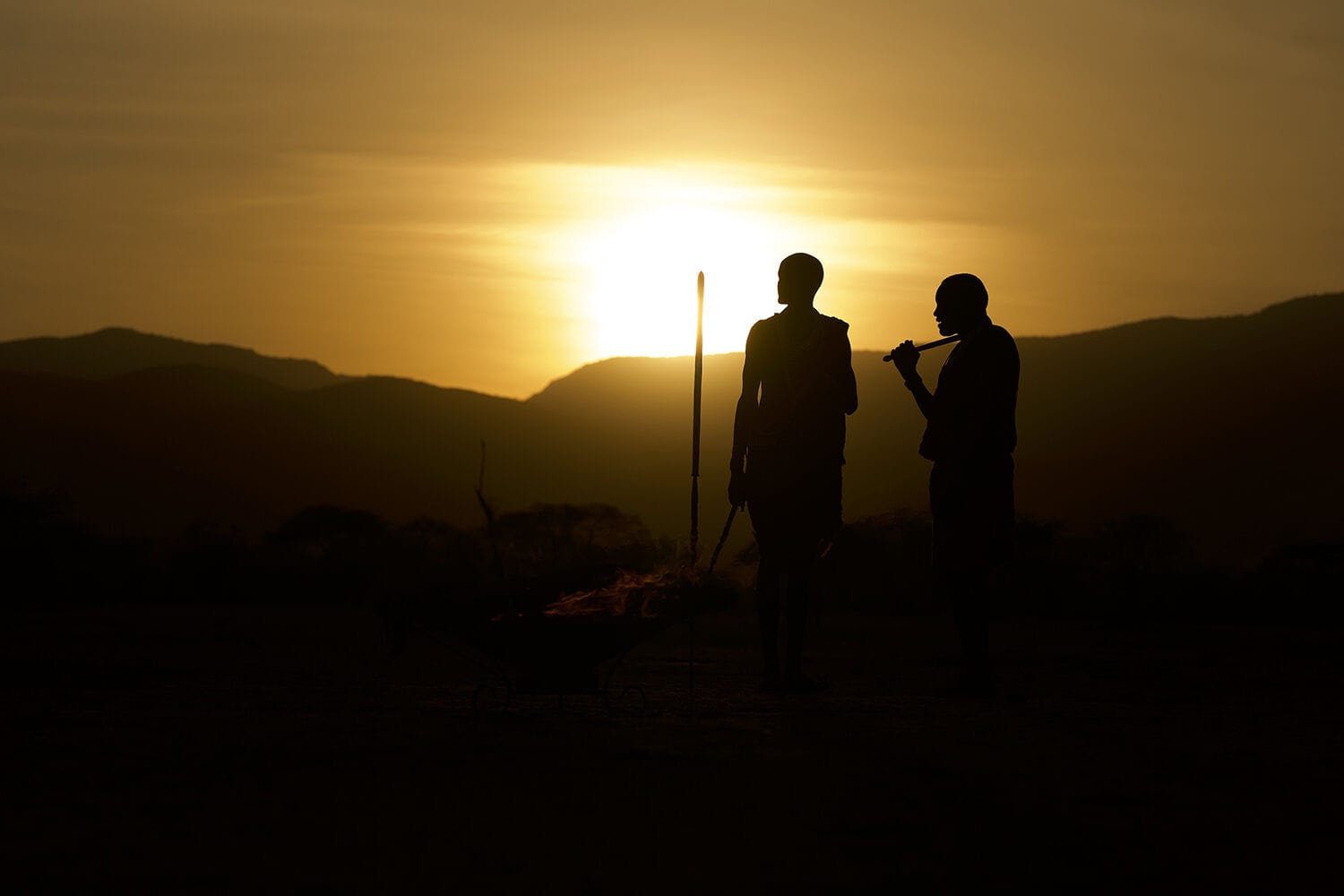
“A photographer’s paradise, an escapist’s utopia, beautiful and wild”
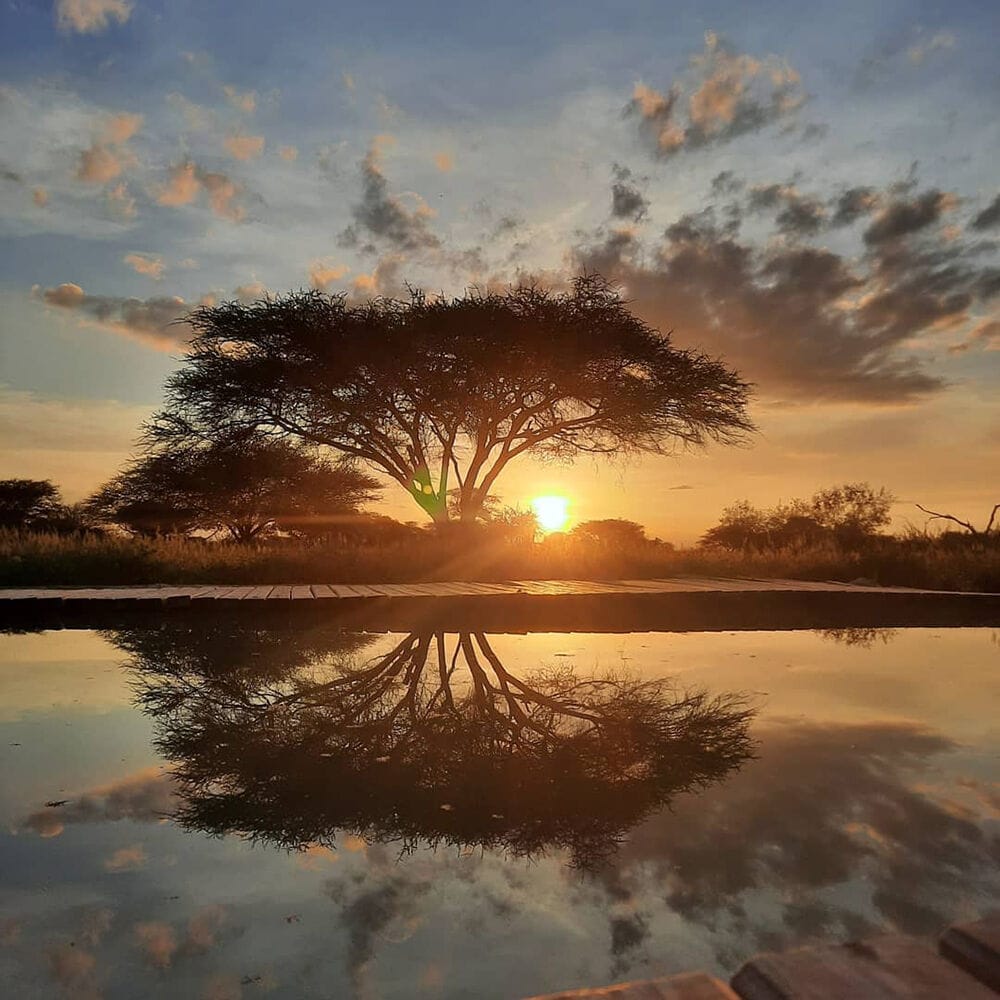
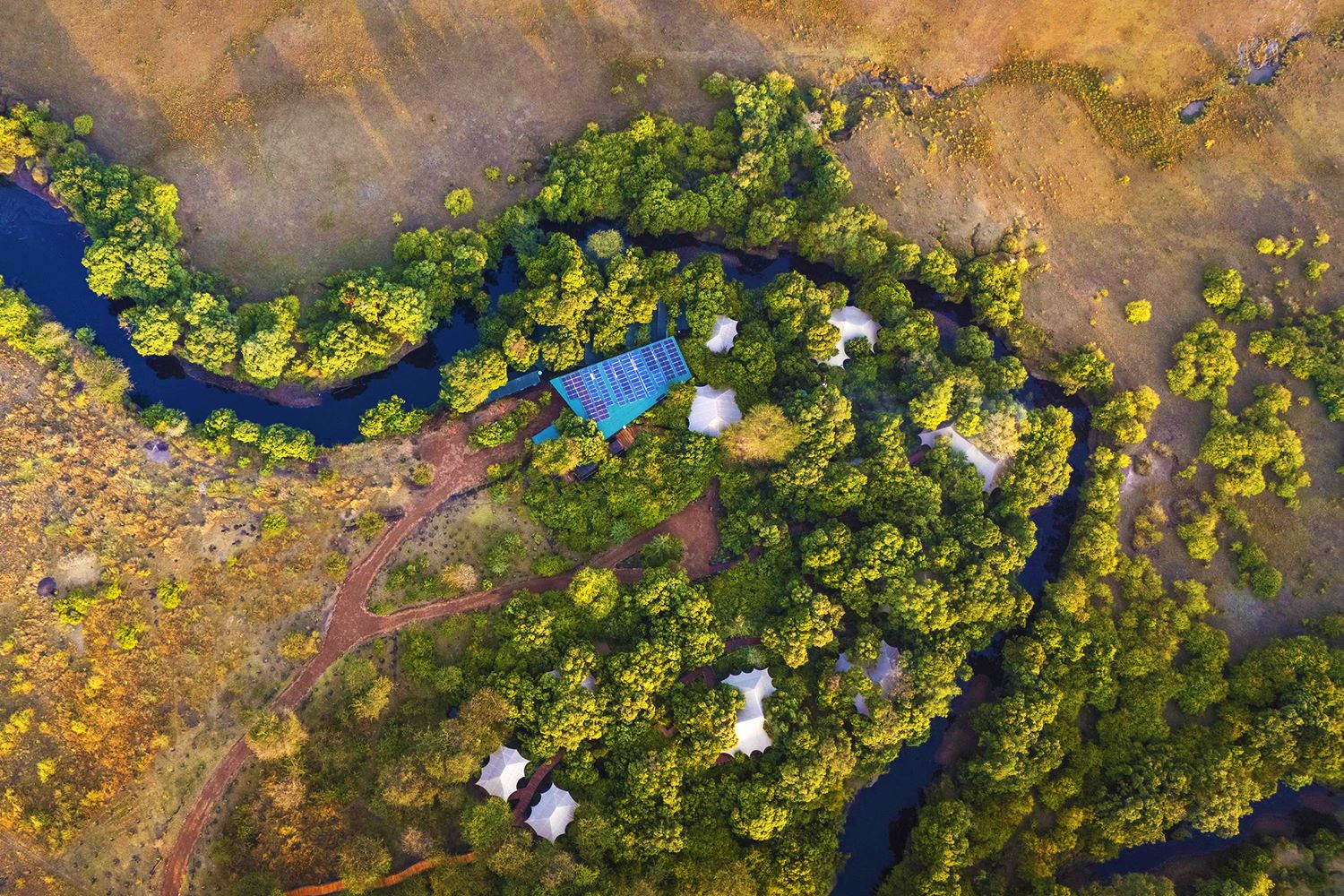
A very special, owner-managed private camp in a beautiful away-from-it all location, Shompole Wilderness is set in a remarkable, remote and little-visited area of southern Kenya. It sits in a shady grove of giant fig trees on the banks of the Ewaso Ngiro River at the bottom of the Great Rift Valley.
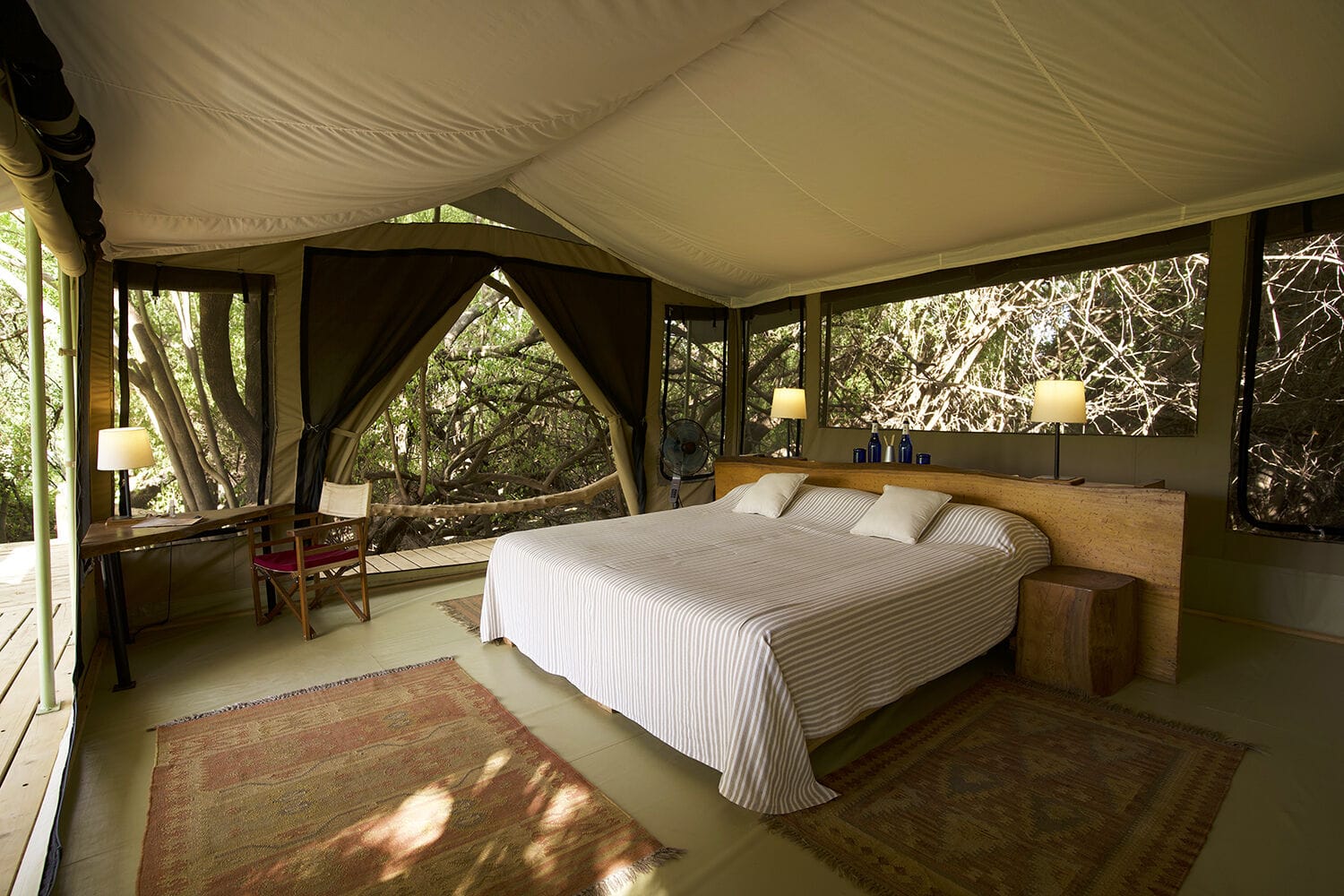
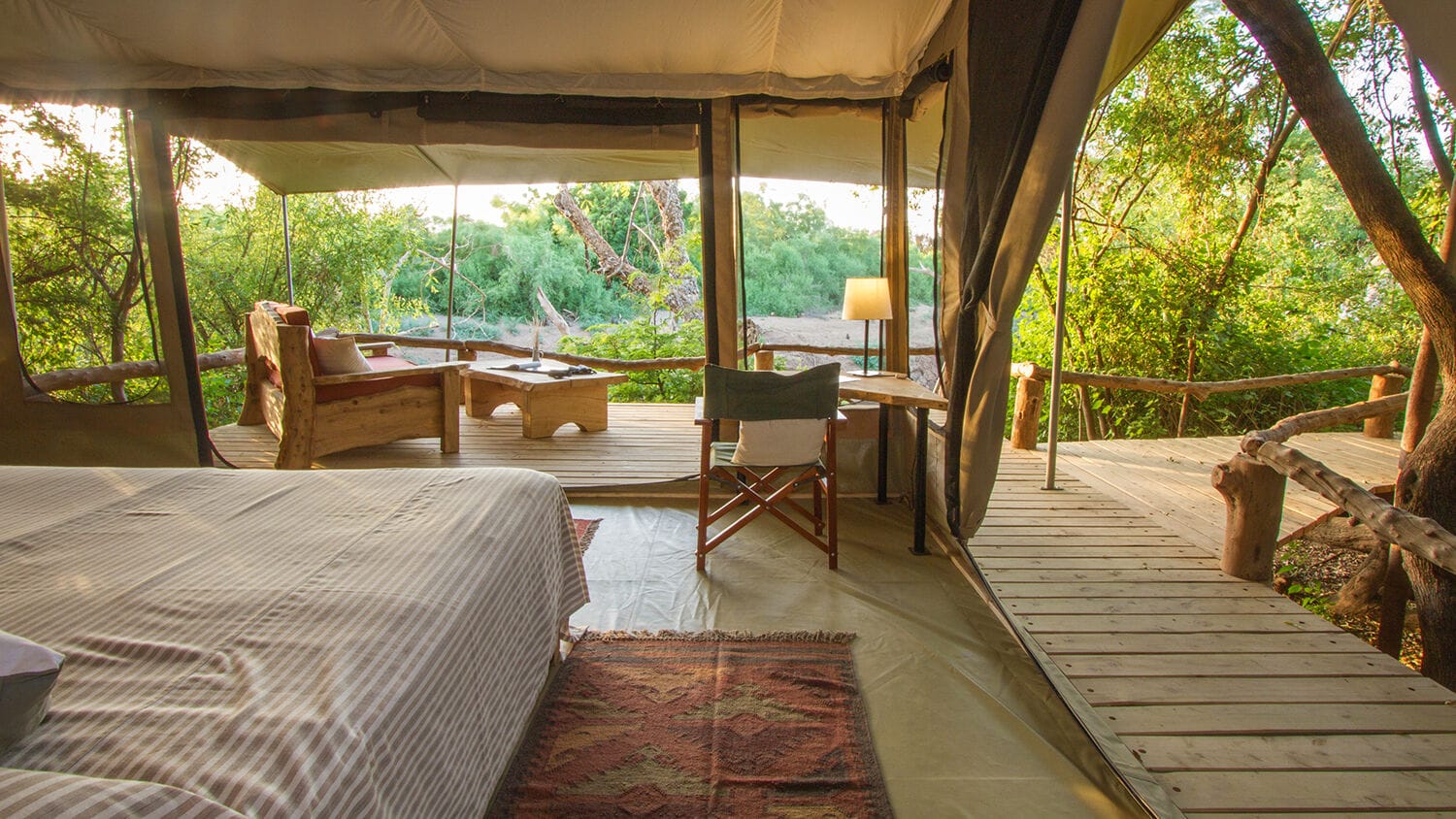
Shompole Wilderness accommodates up to 12 guests in 6 ensuite tents

“Our five days at Shompole Wilderness were magical. Our family had this luxurious tented camp all to ourselves. The wildlife viewing, the bird life, the river crossings, the tubing, and the incredible photographic hide made it a unique adventure. Best of all was time spent with owners Samantha & Johann duToit and their children. I have taken groups to Africa for 40 years and the exclusivity and remaining wildness of Shompole Wilderness tops them all!”
For anyone looking to get right off the beaten track and spend time in a very special, wild and authentic part of East Africa, Shompole Conservancy, situated in the beautiful and unspoilt heart of Masailand, is the ideal destination. And a stay at Shompole Wilderness camp means that guests can experience life in this fascinating part of the region in total privacy and real comfort.
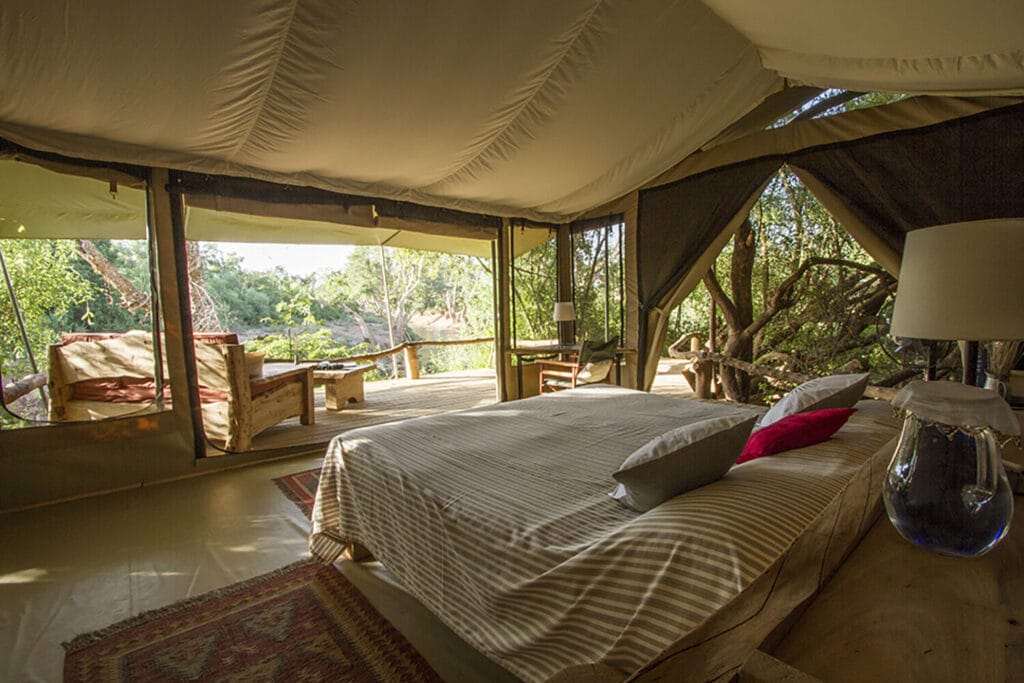
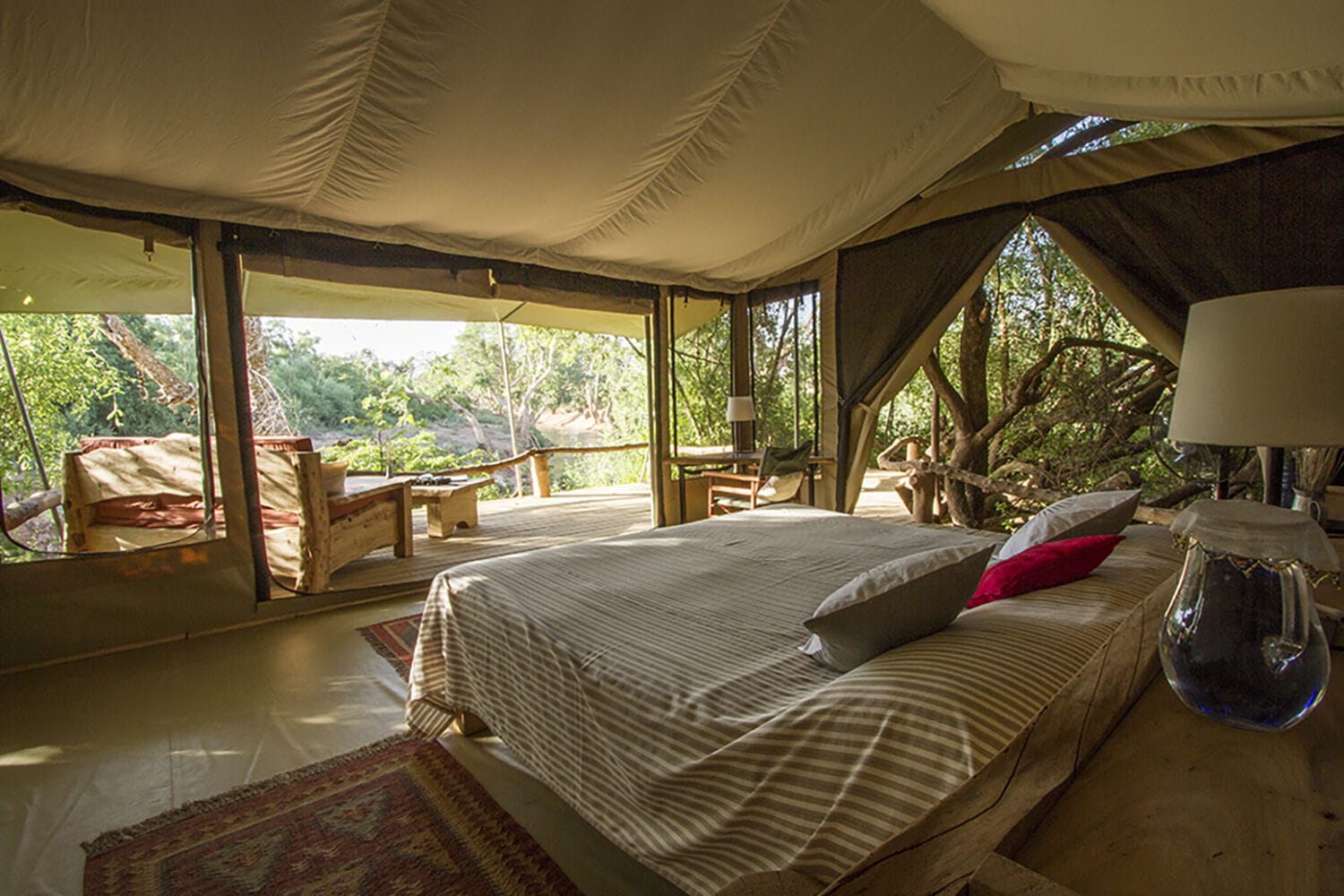
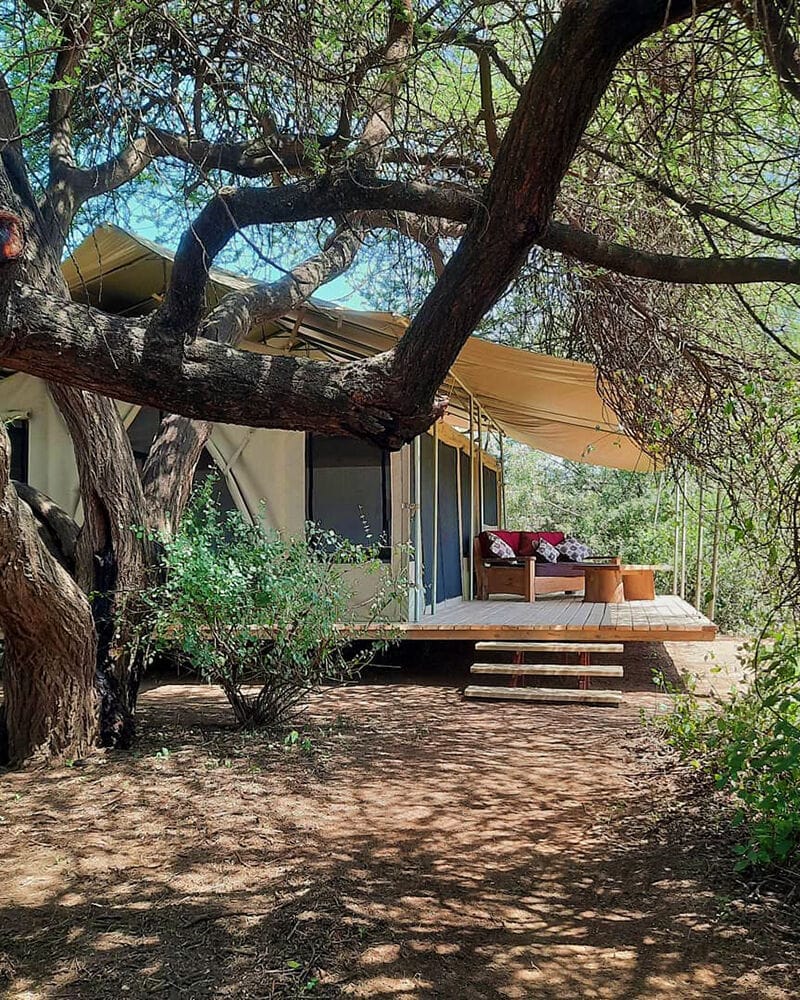
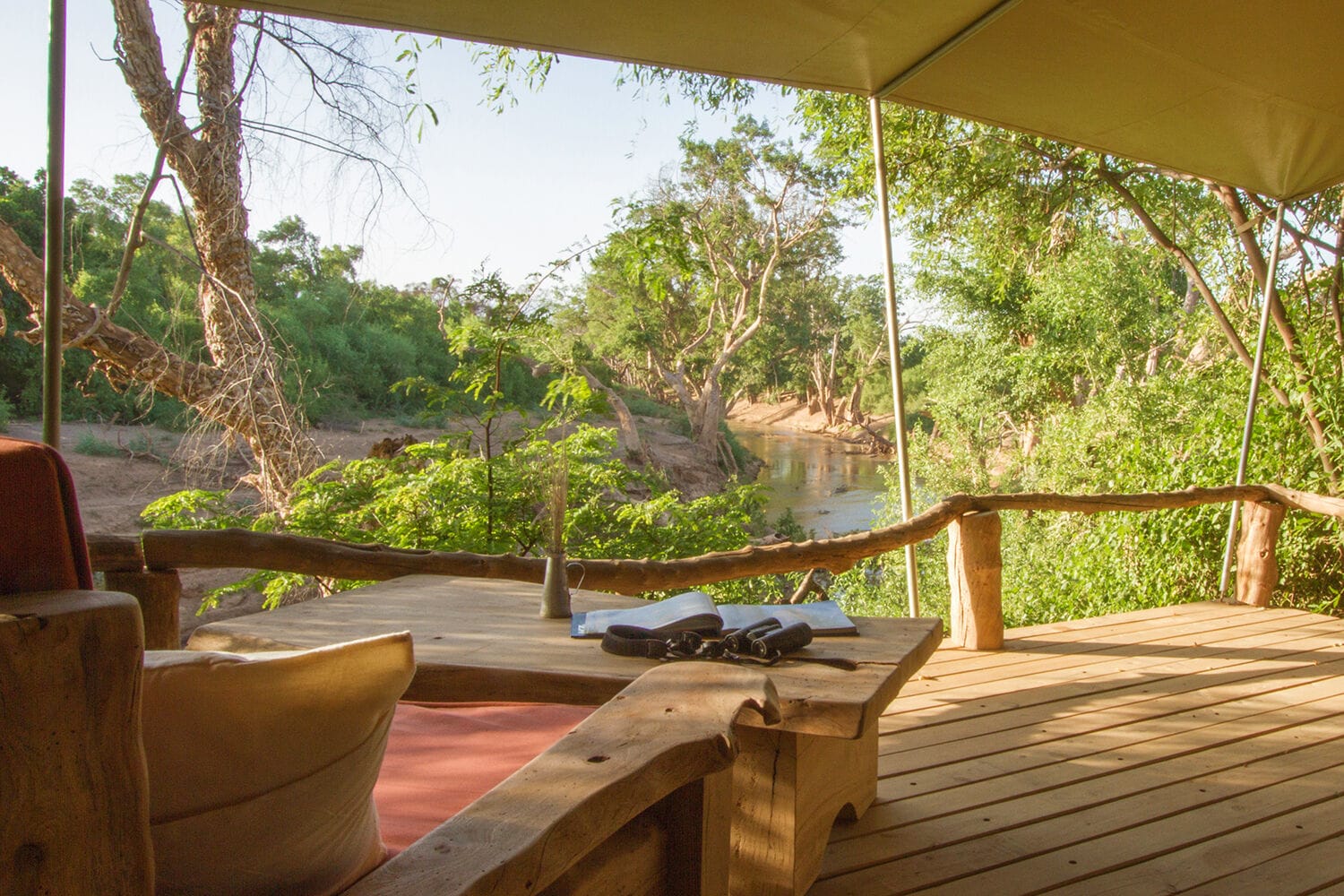
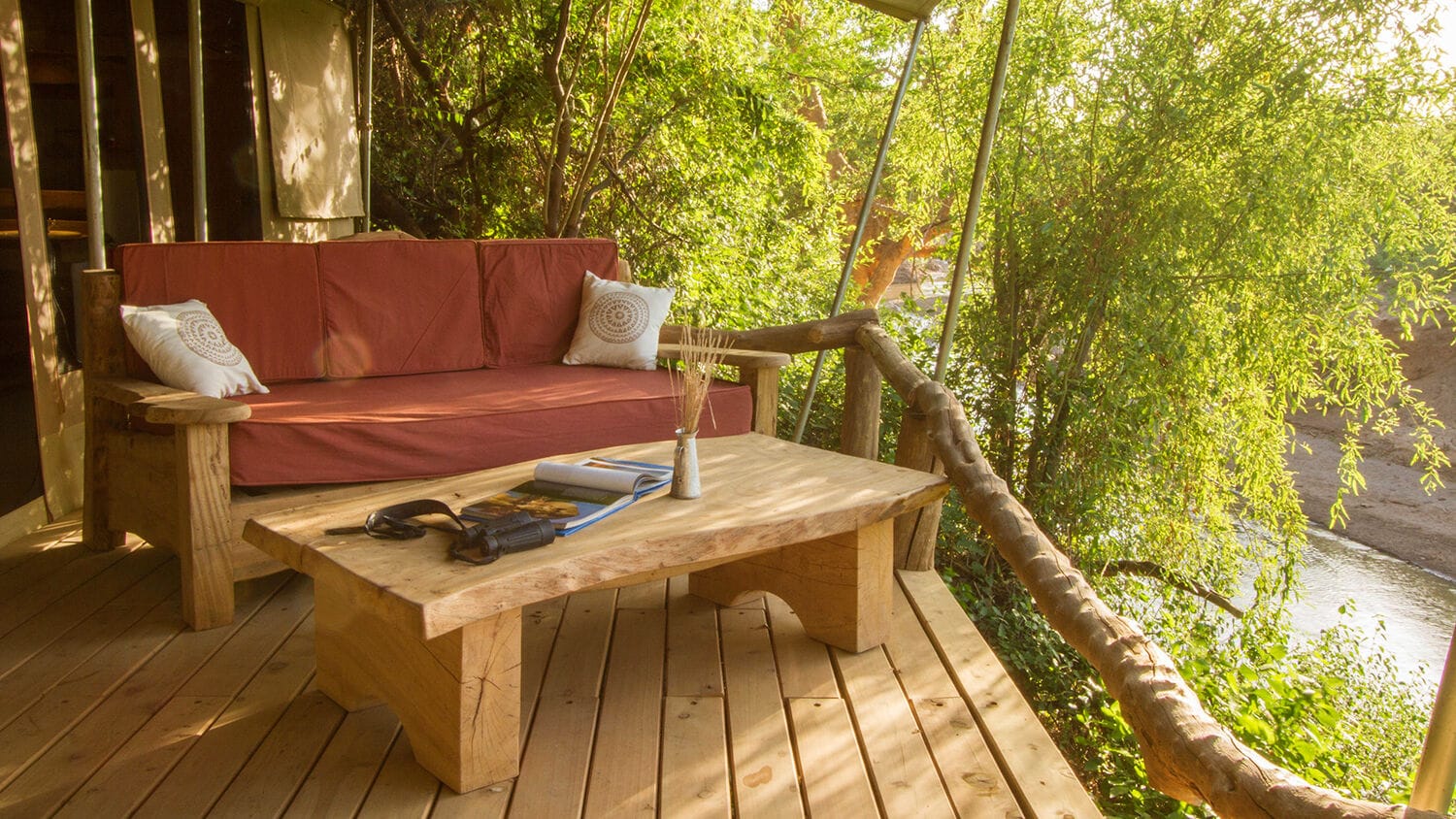
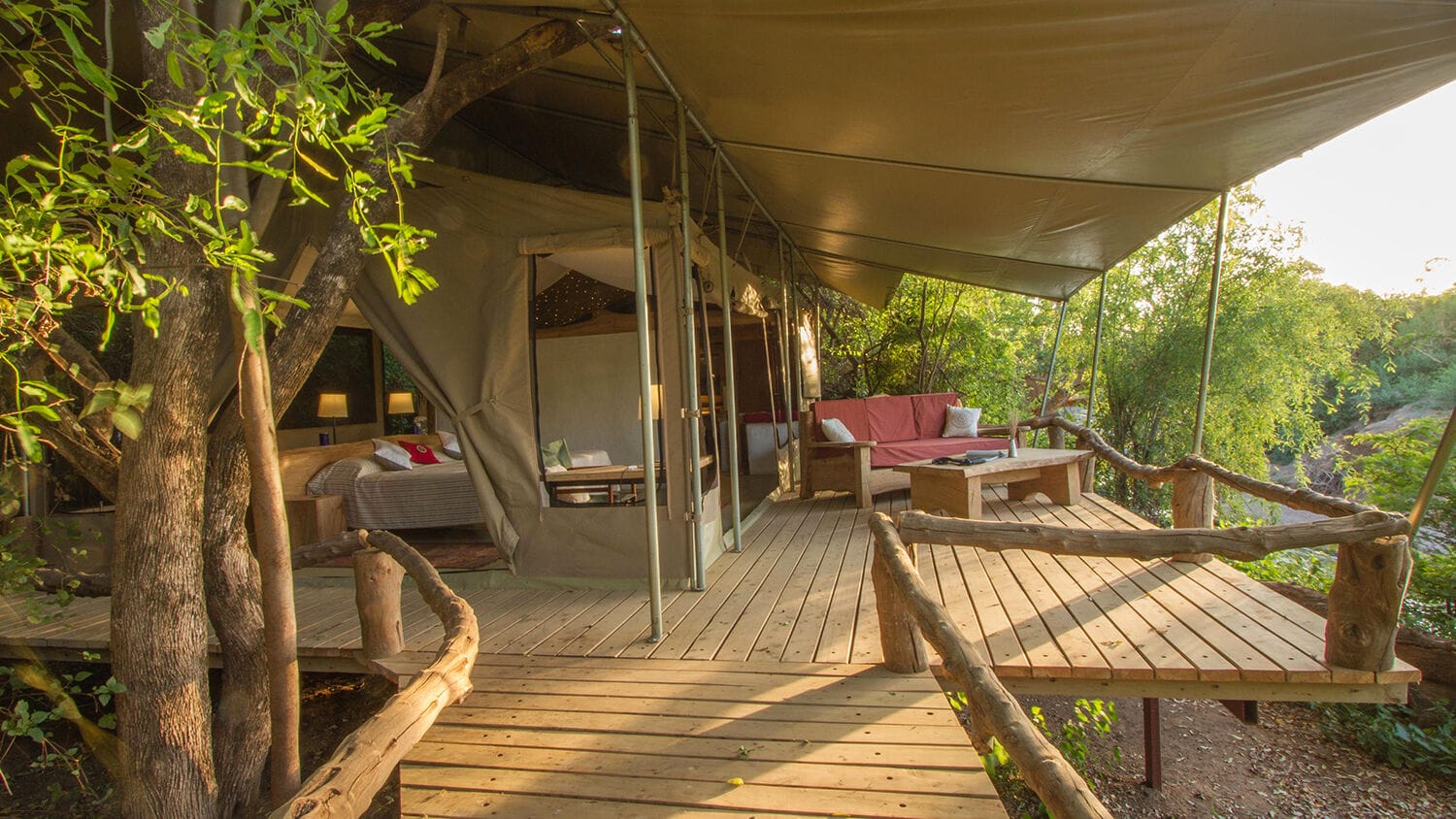
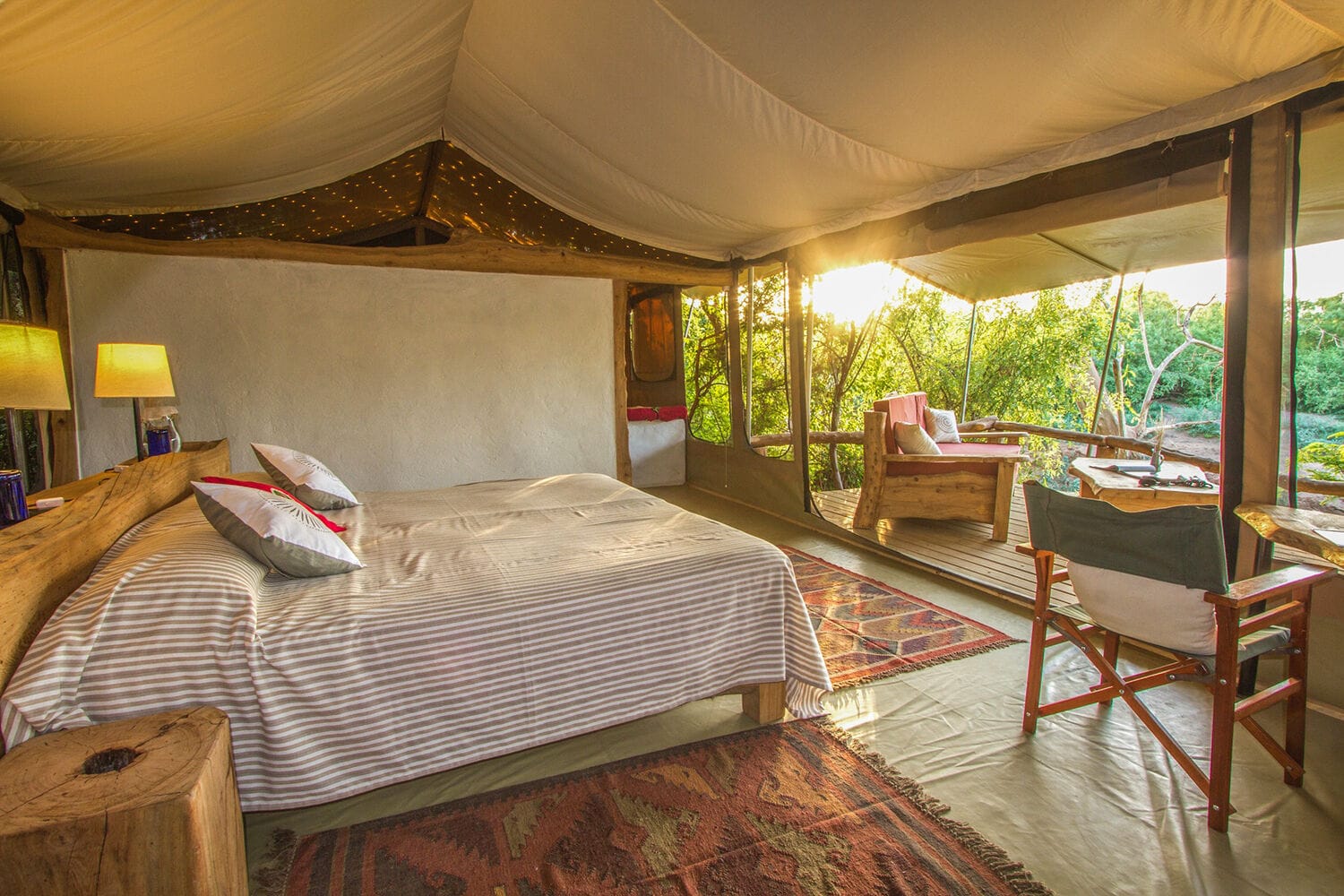
The camp has just six spacious double bedroom tents set on raised wooden decks with large verandas, all set out amidst bush and spreading fig trees on the banks of the Ewaso Ngiro (‘brown river’), the main source of water for the region, which flows from Kenya’s Mau escarpment into Tanzania’s Lake Natron around 25 kilometres south of the camp.
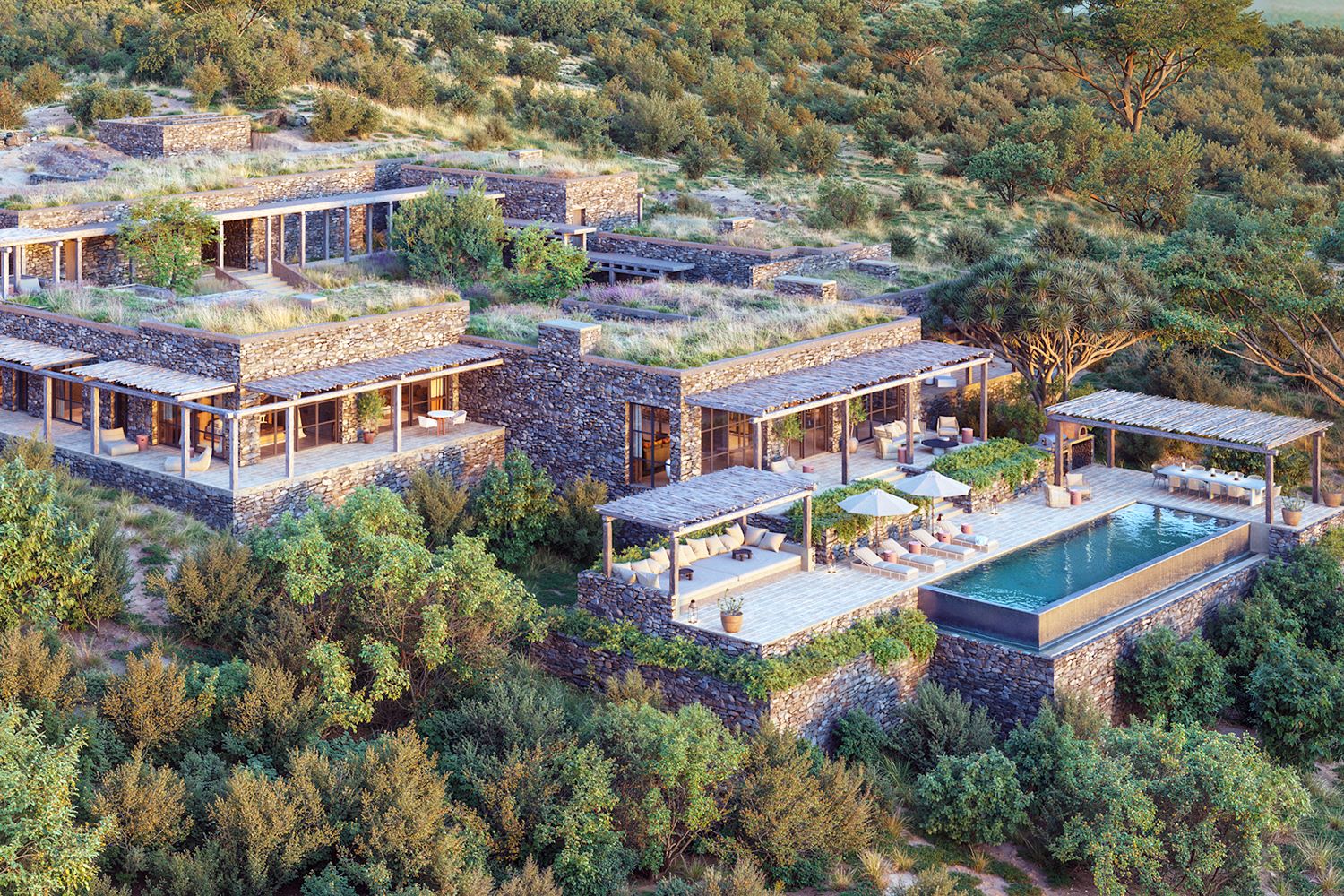
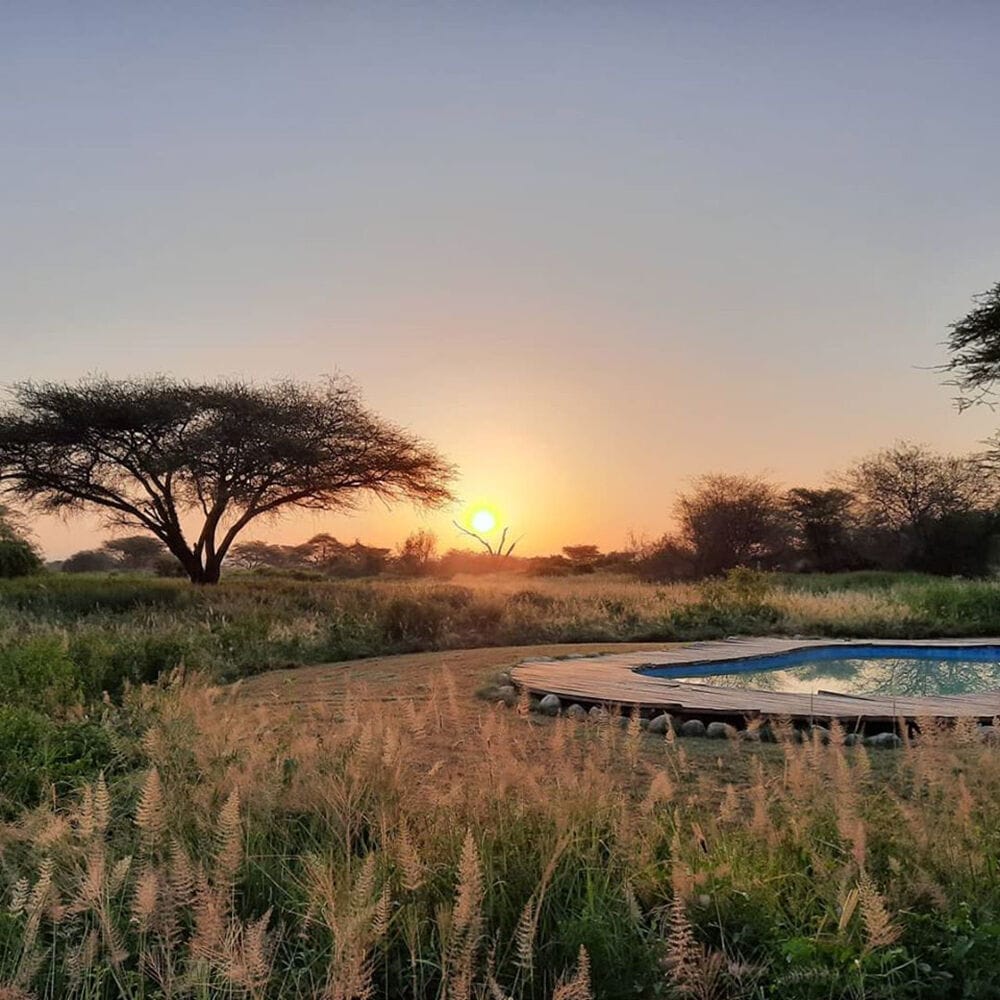
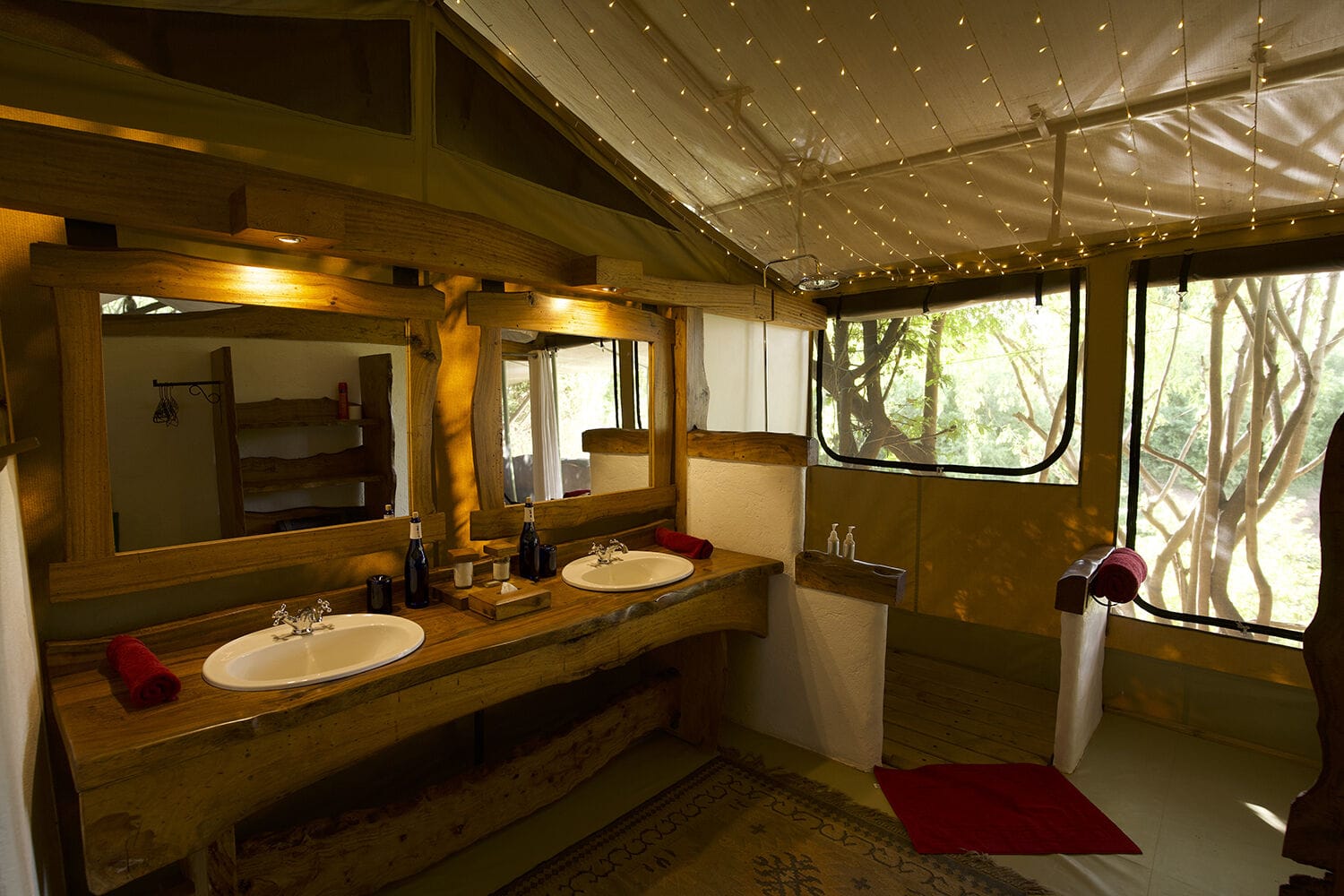
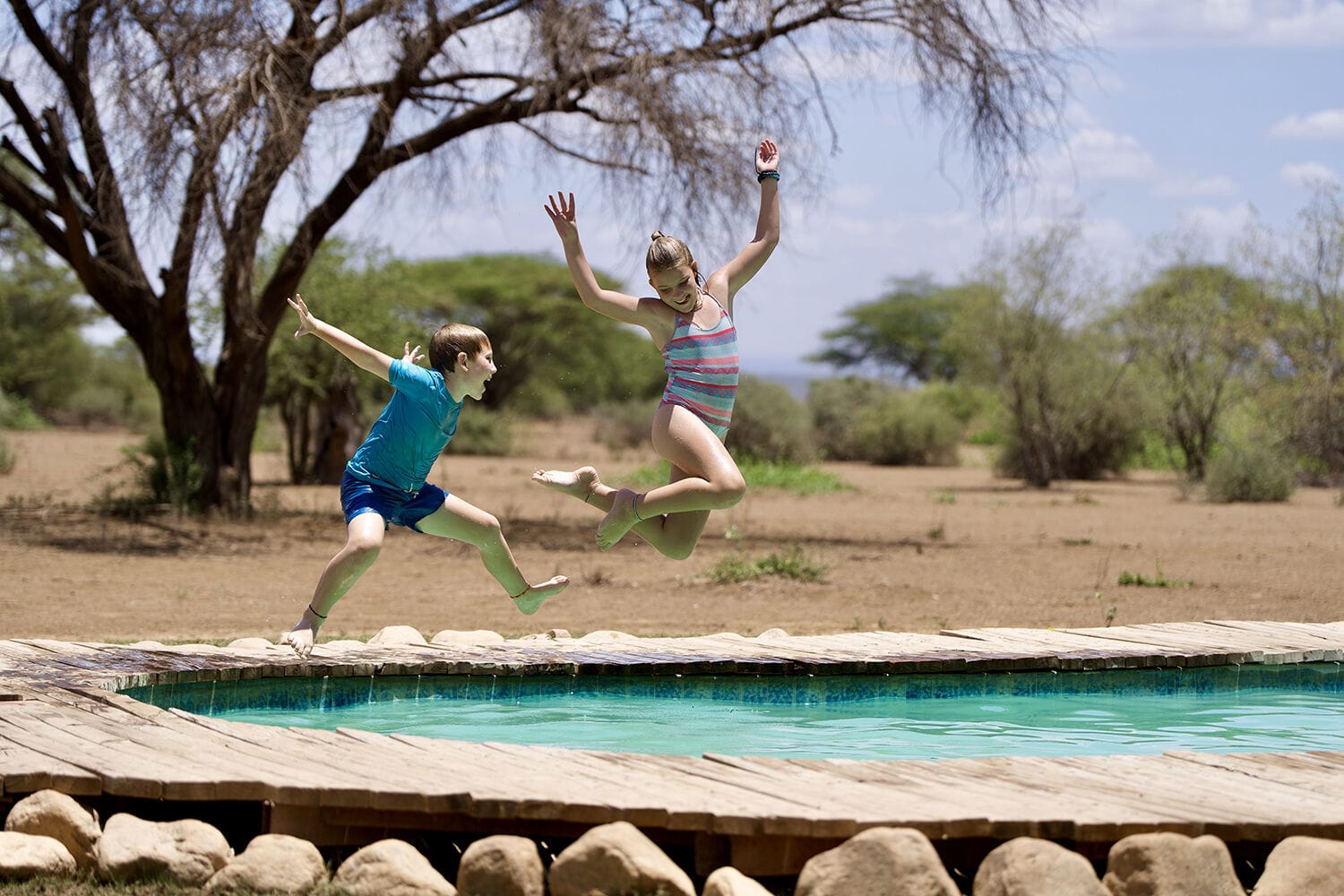
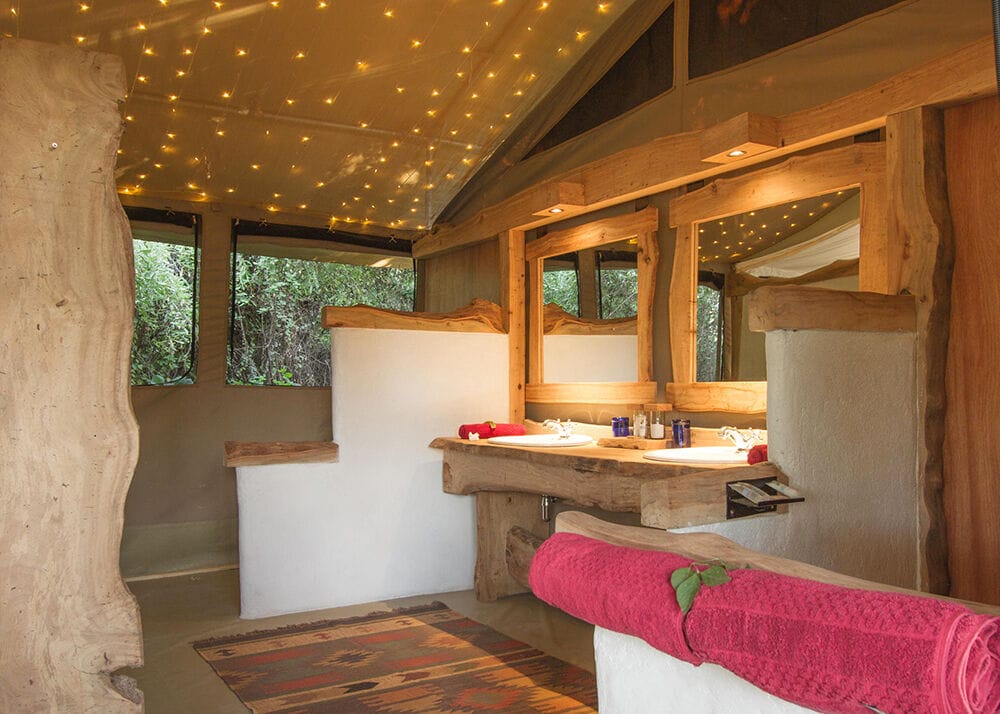
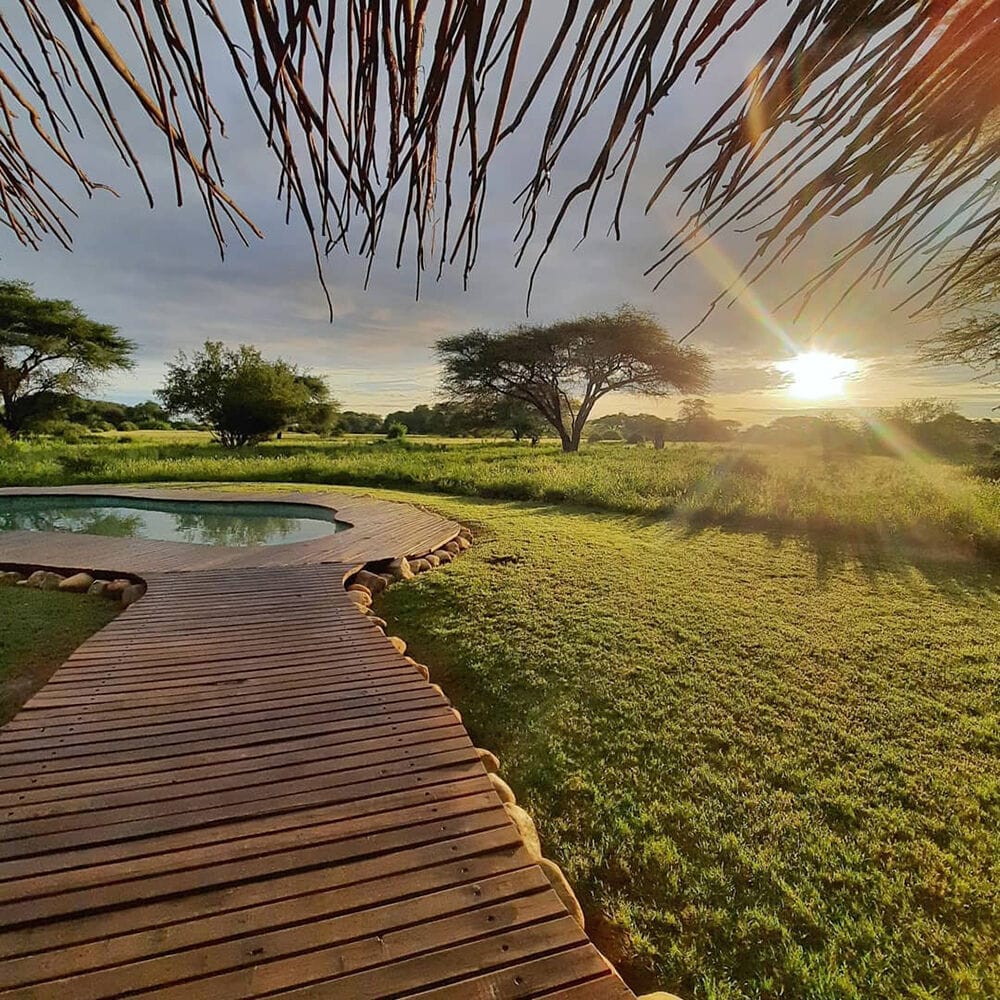
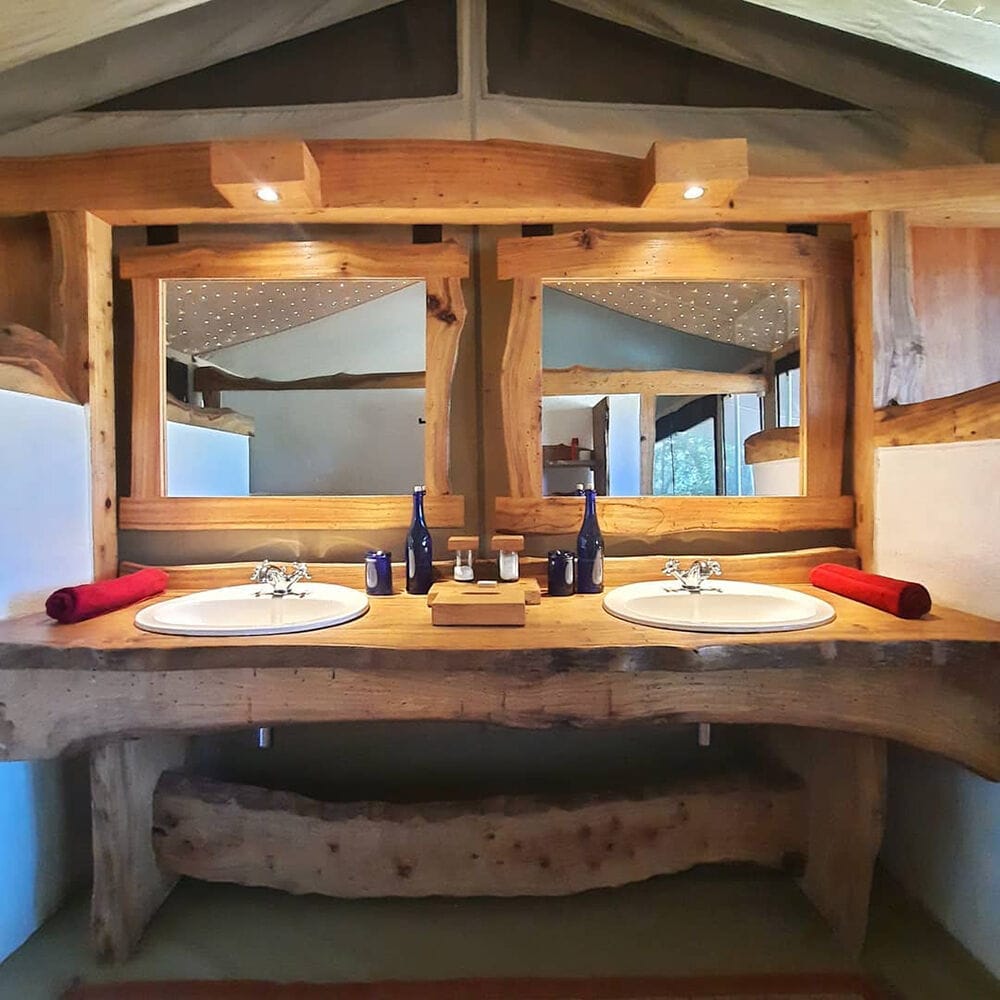
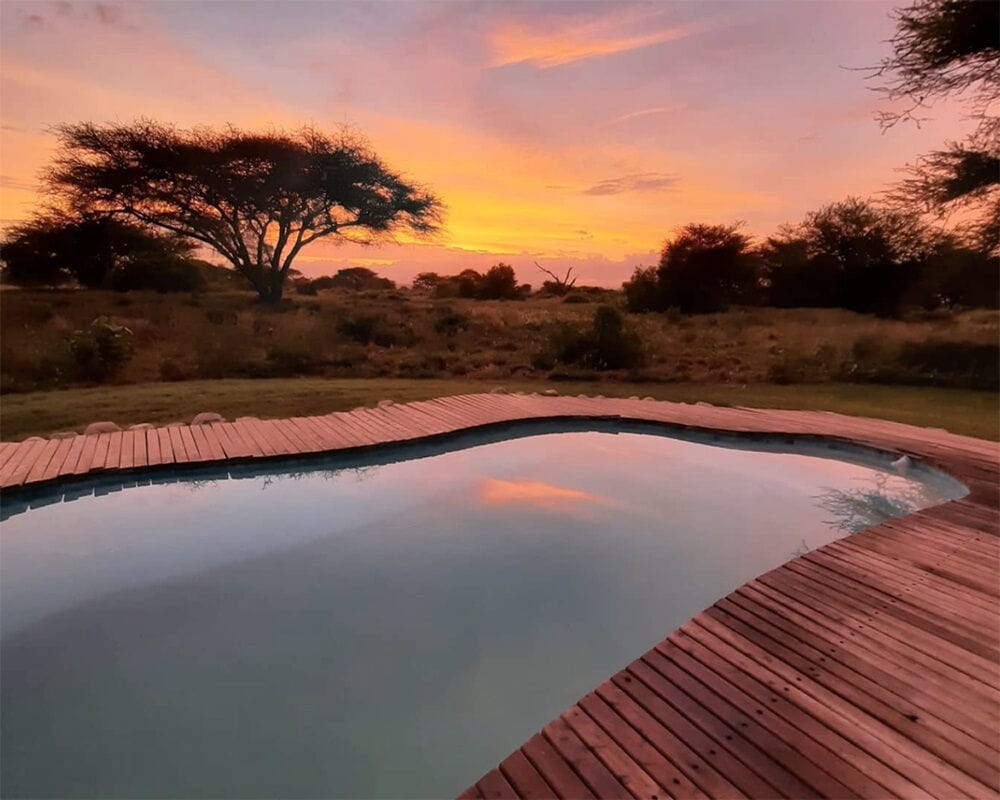
The tents are all private and well-spaced – each has an ensuite bathroom with shower and flushing lavatory, as well as solar-powered lights and fan. There is a lovely swimming pool with shady bar and lounge area, plus riverside lounge and bar and separate airy dining room. Guests always comment on the delicious meals conjured up from the camp kitchen.
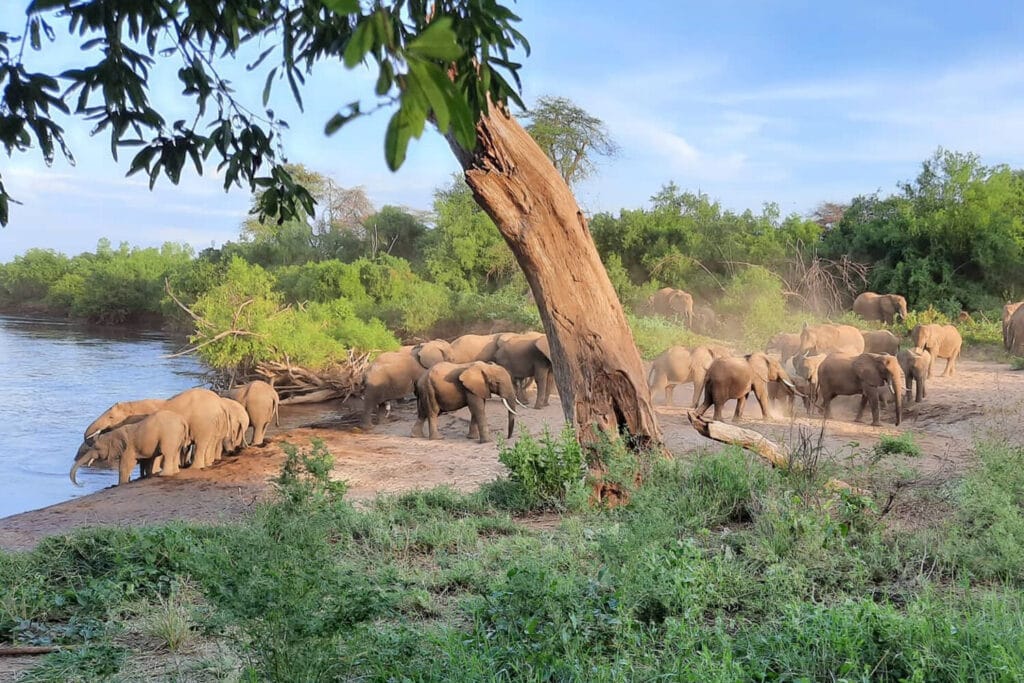
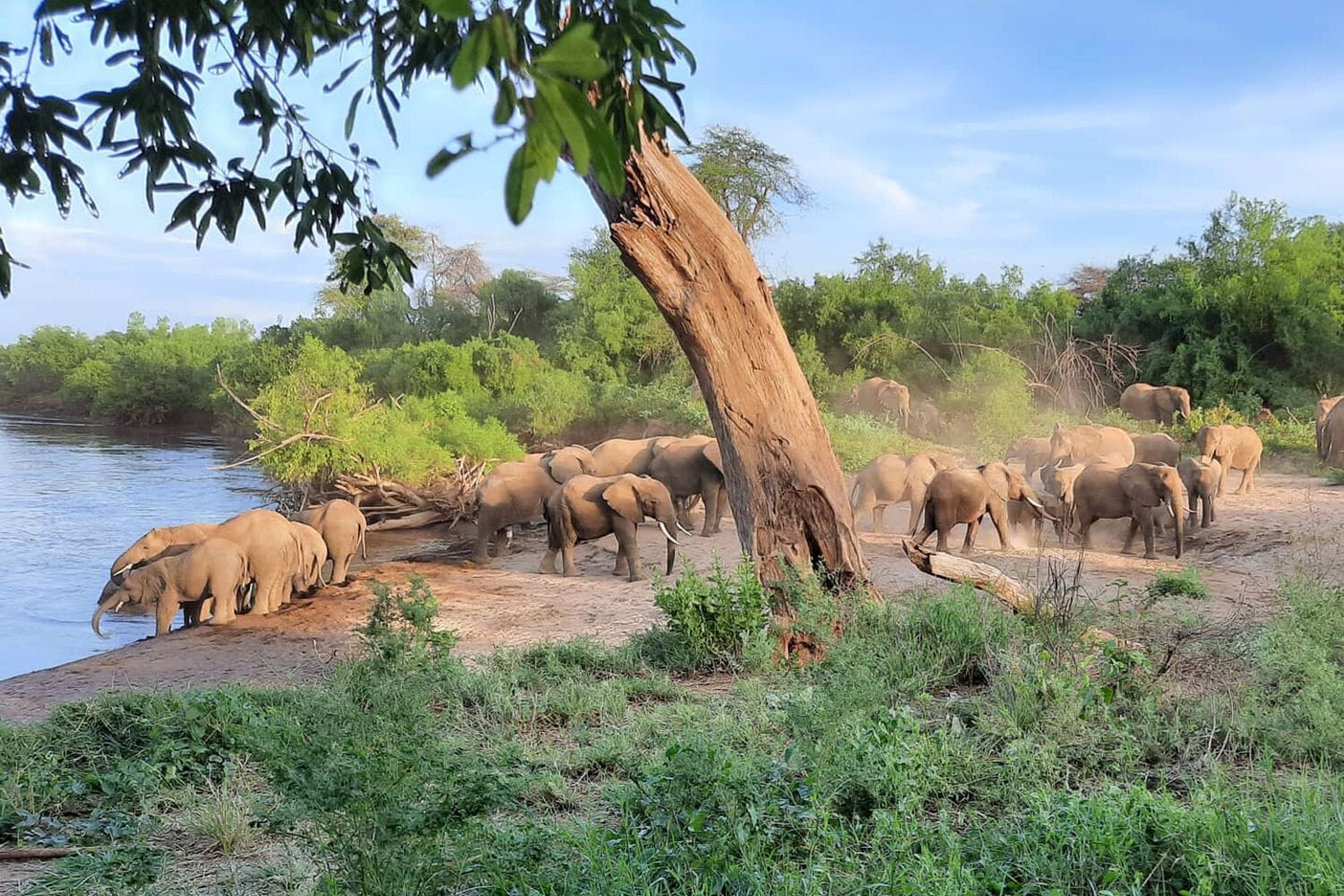
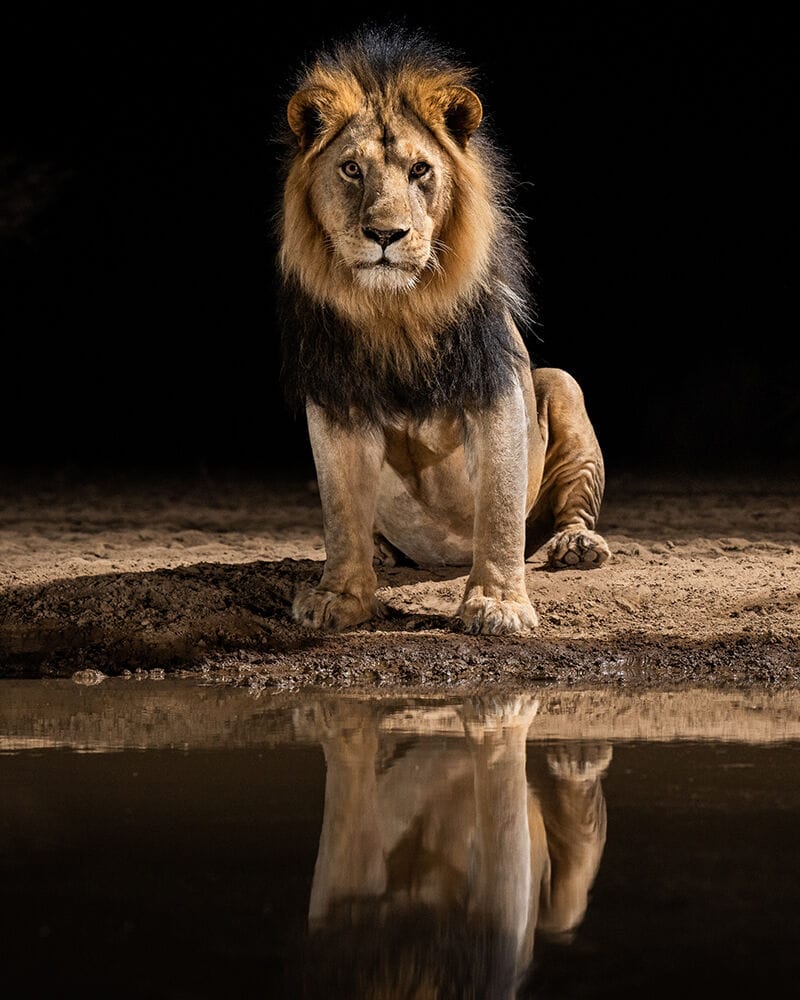
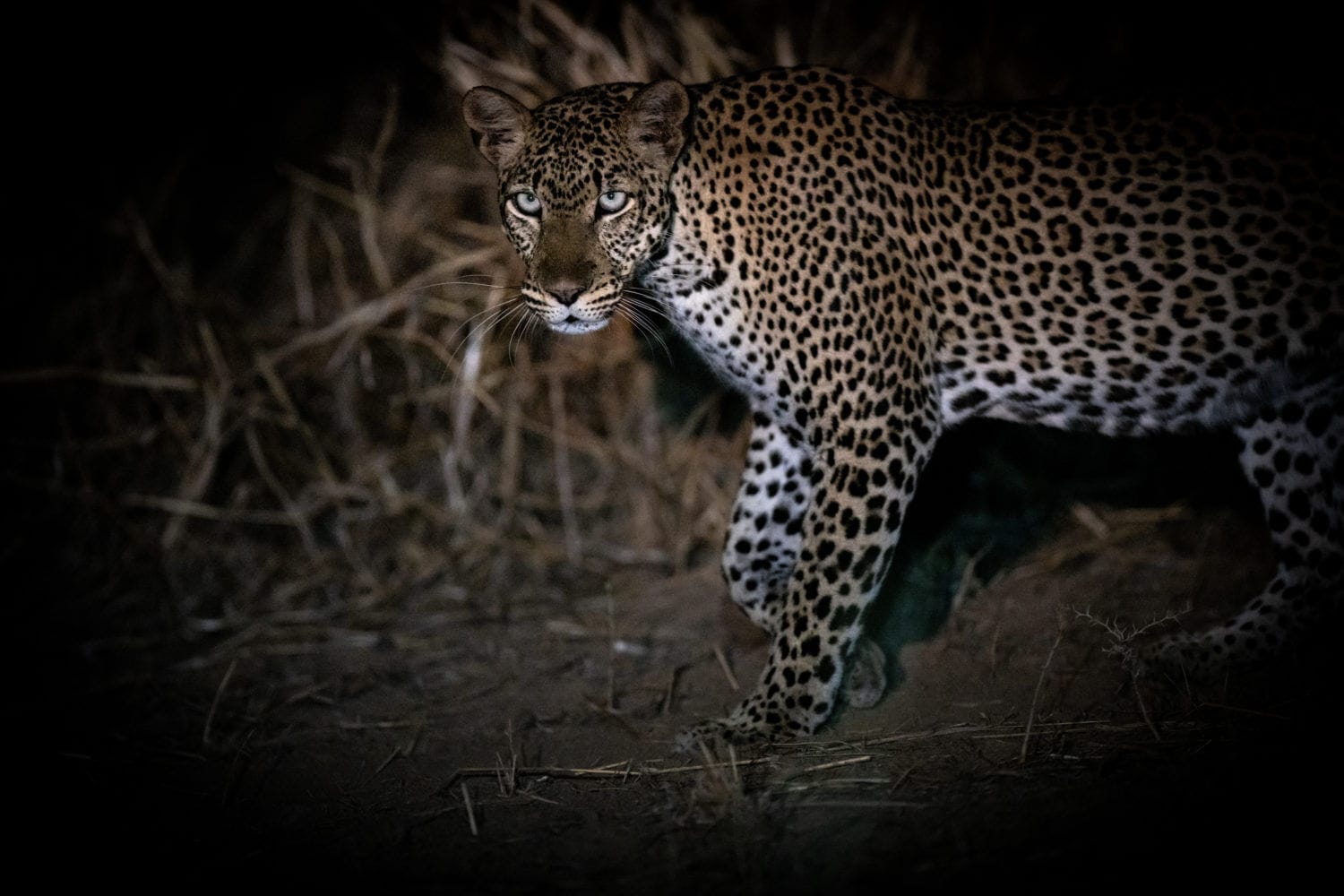
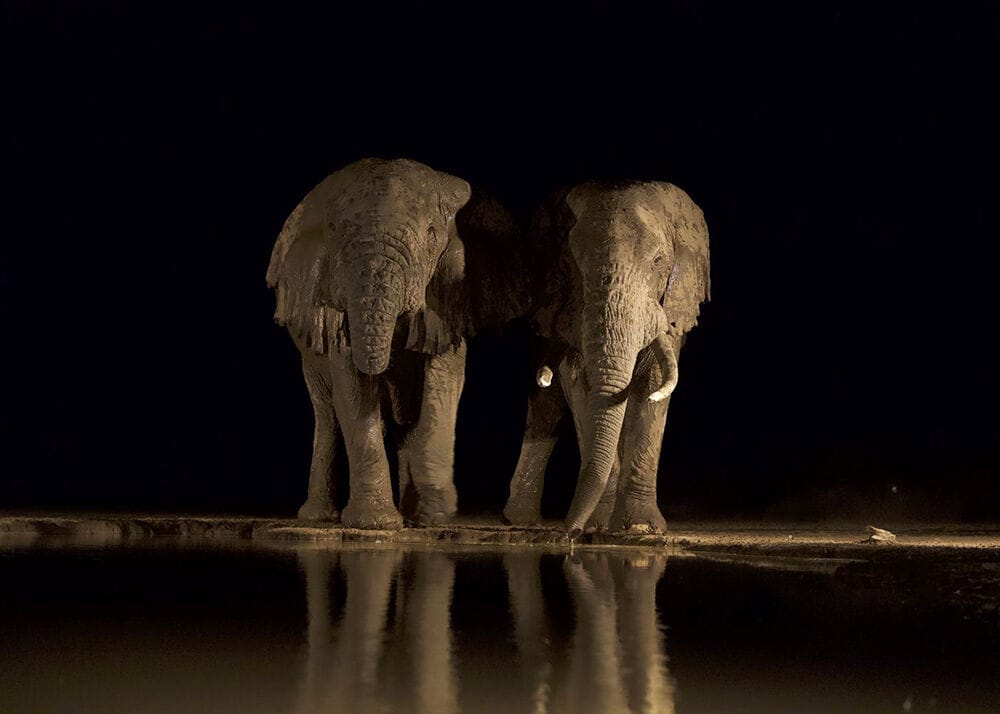
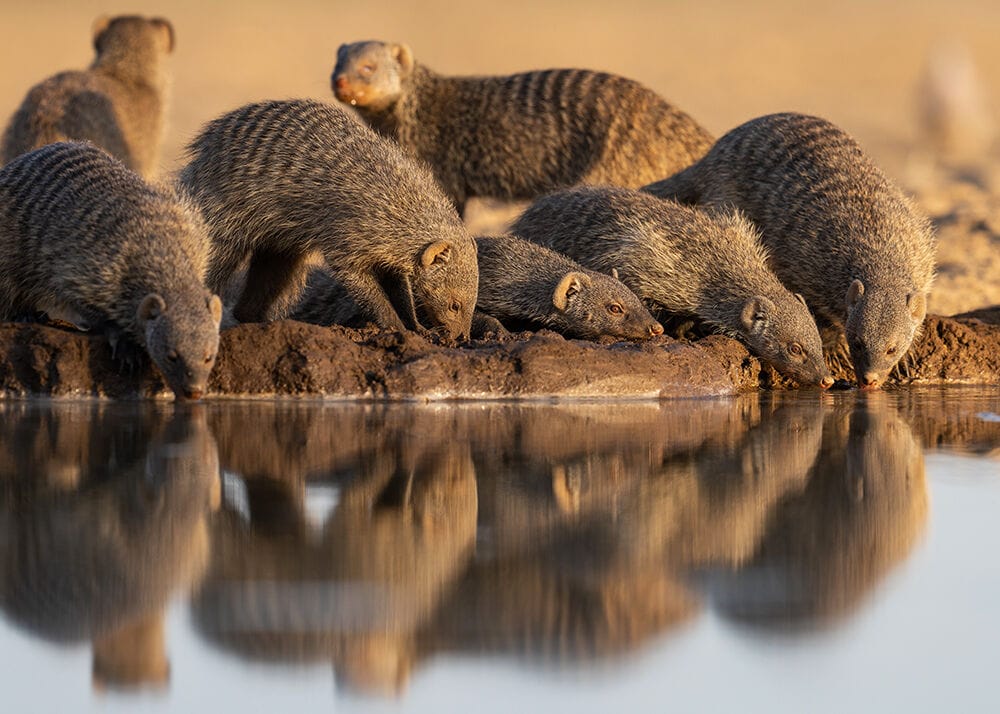
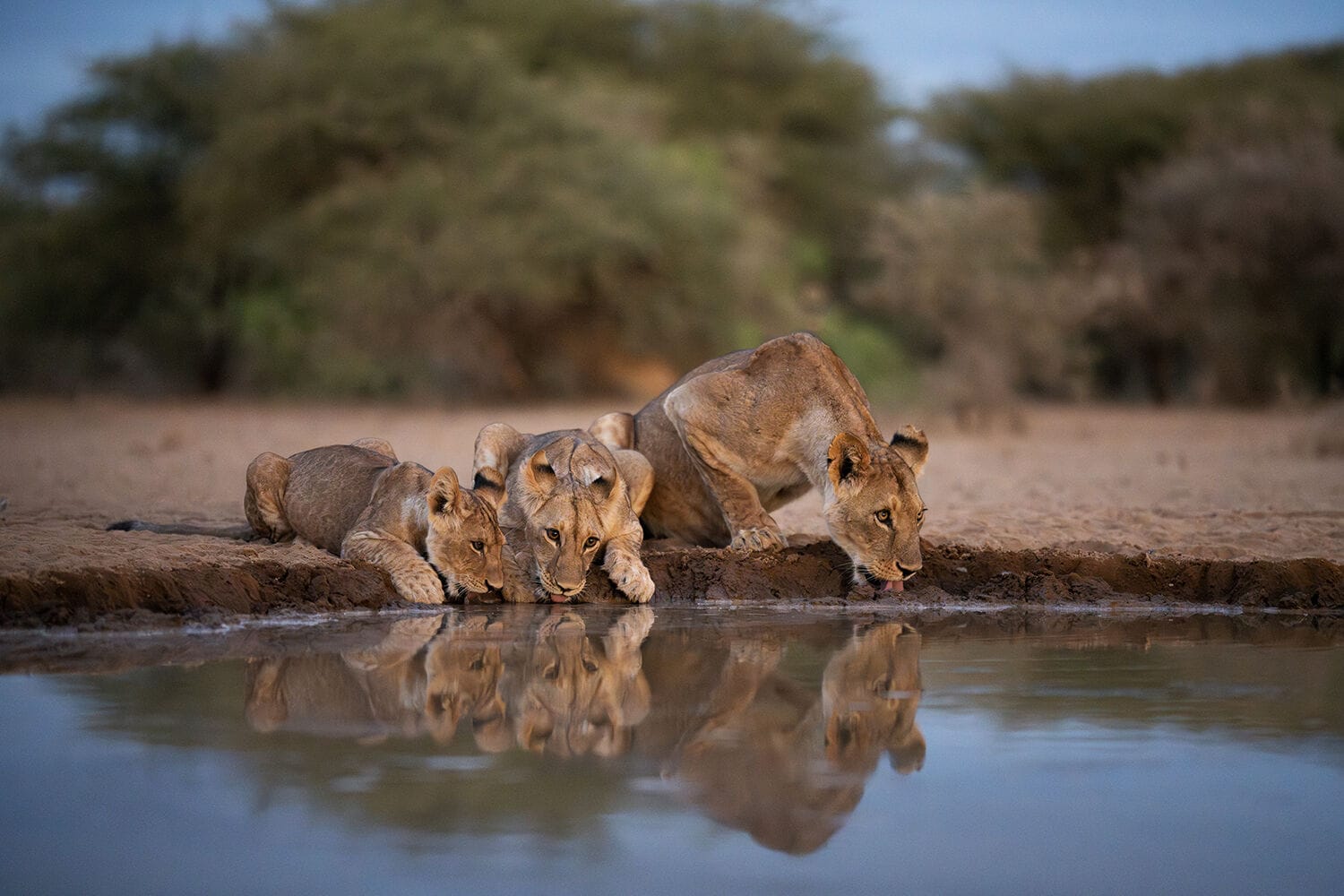
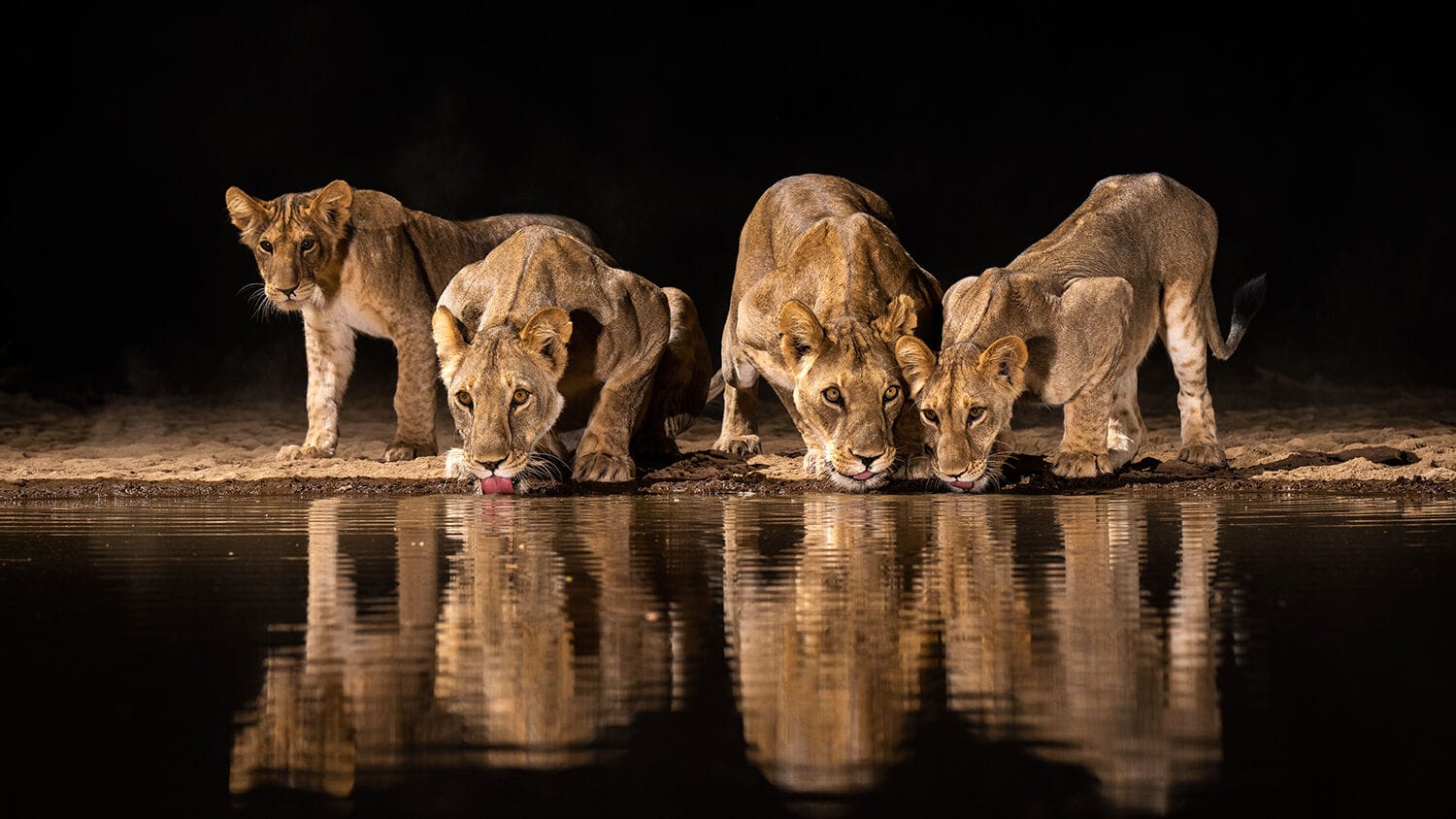
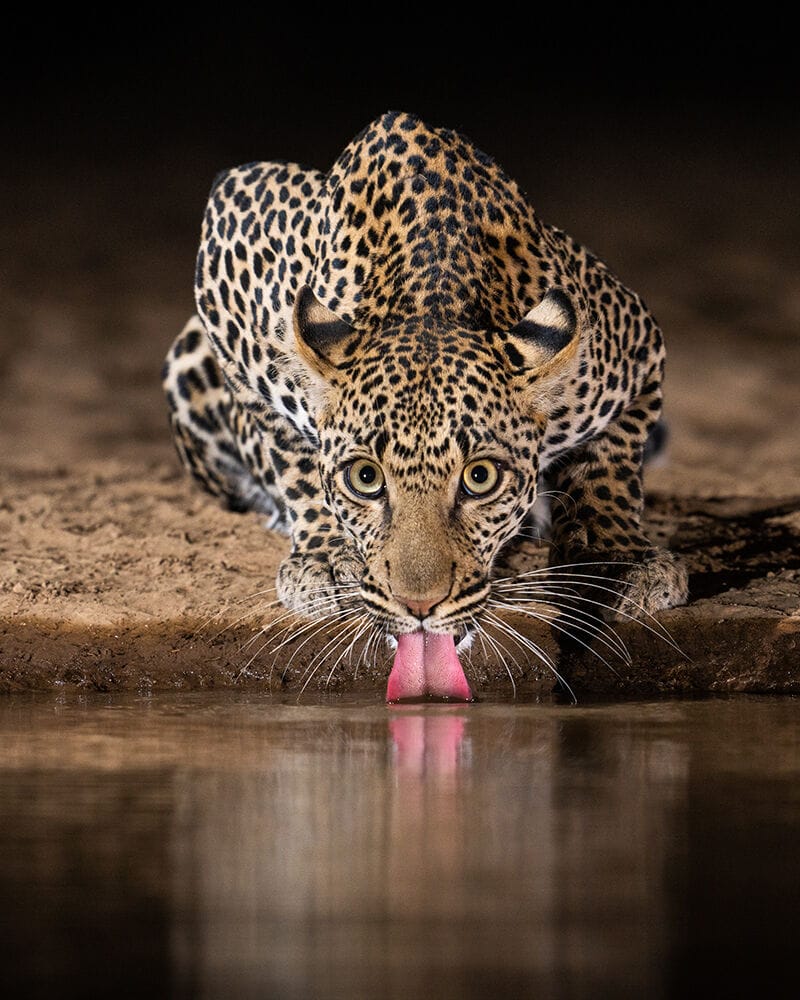
Wildlife is abundant in this relatively unknown corner of Kenya, with only Rhino missing from the diverse ecosystem. Animal numbers are increasing all the time – there are around forty lions, a resident cheetah mother with her four cubs, and leopard too. Elephants are back in the area after many years of absence, and can often be seen early in the morning making their way down to the river to drink.
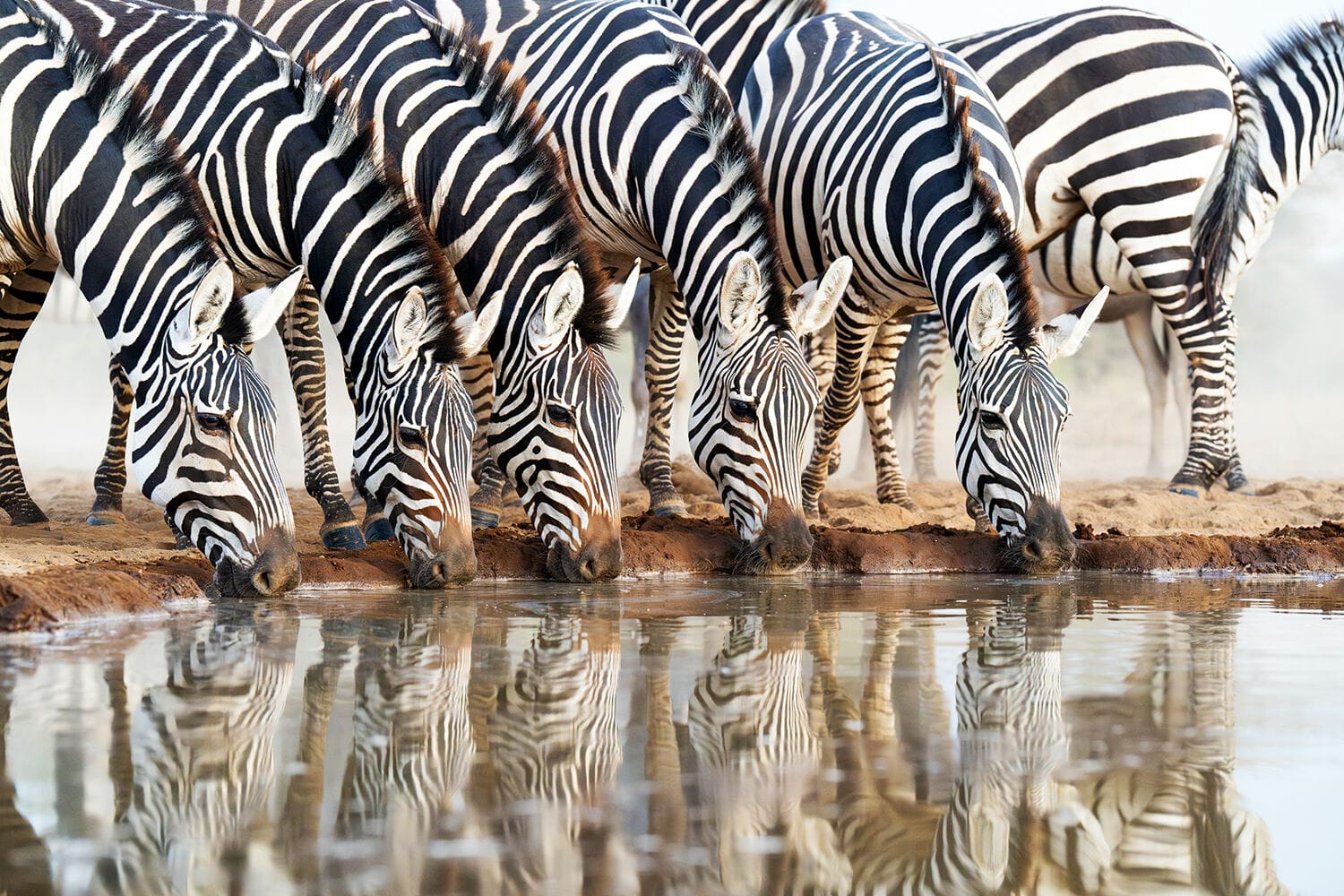
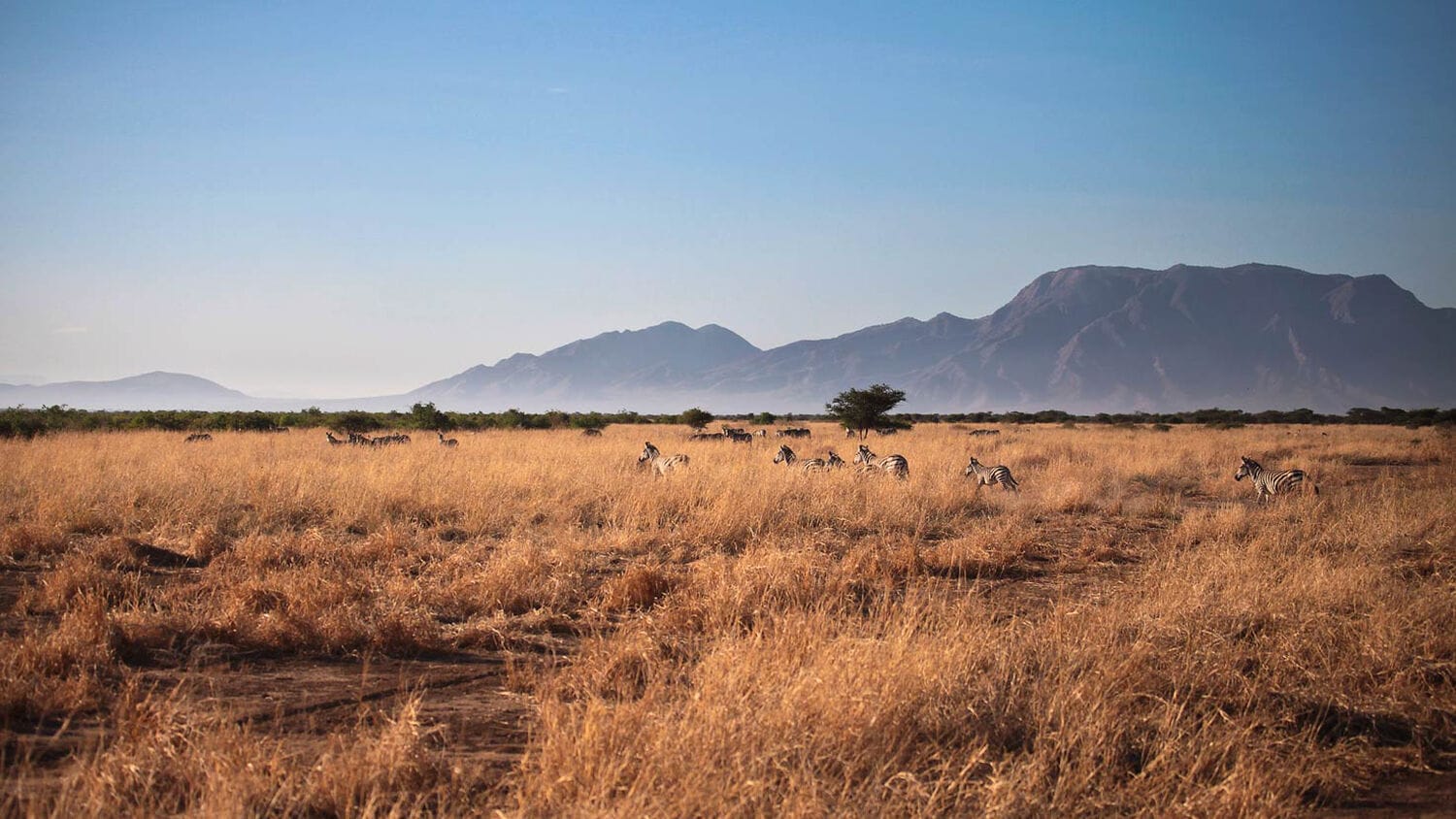
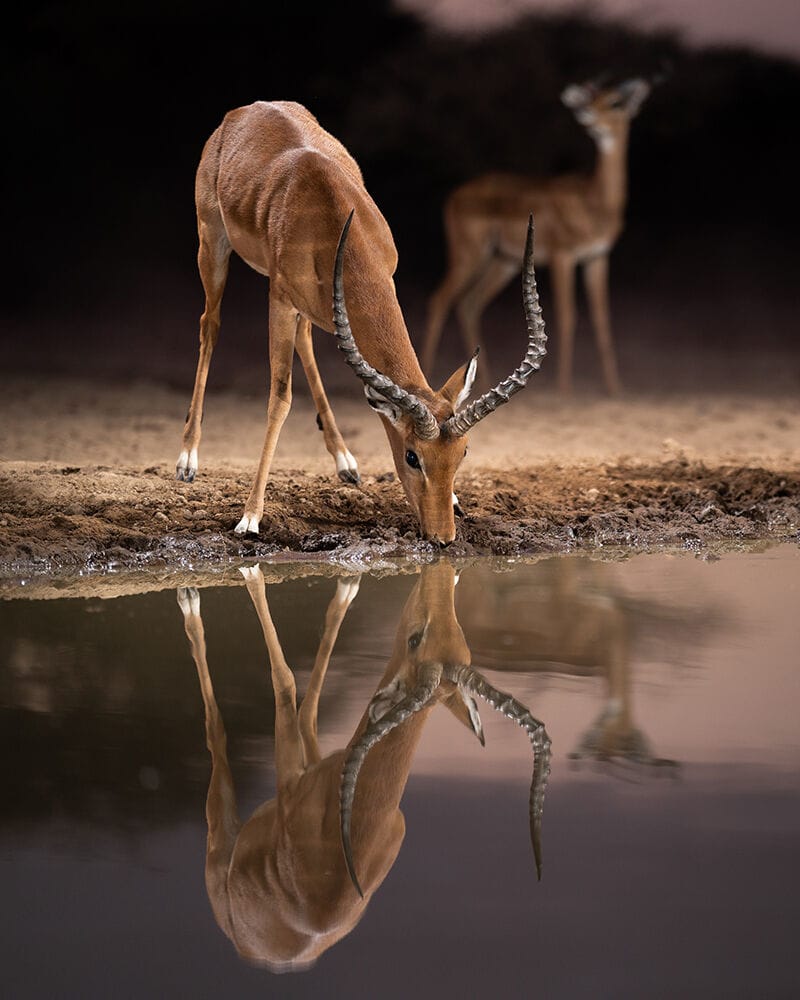
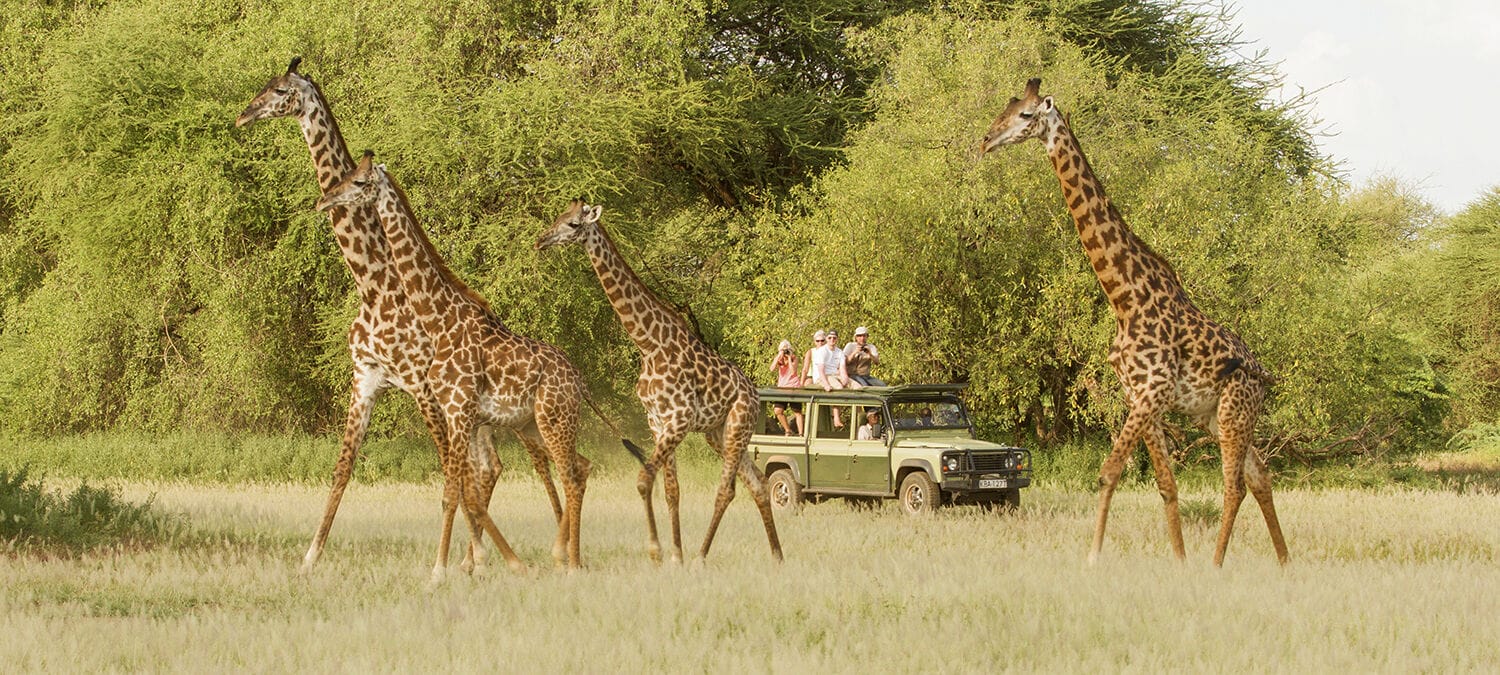
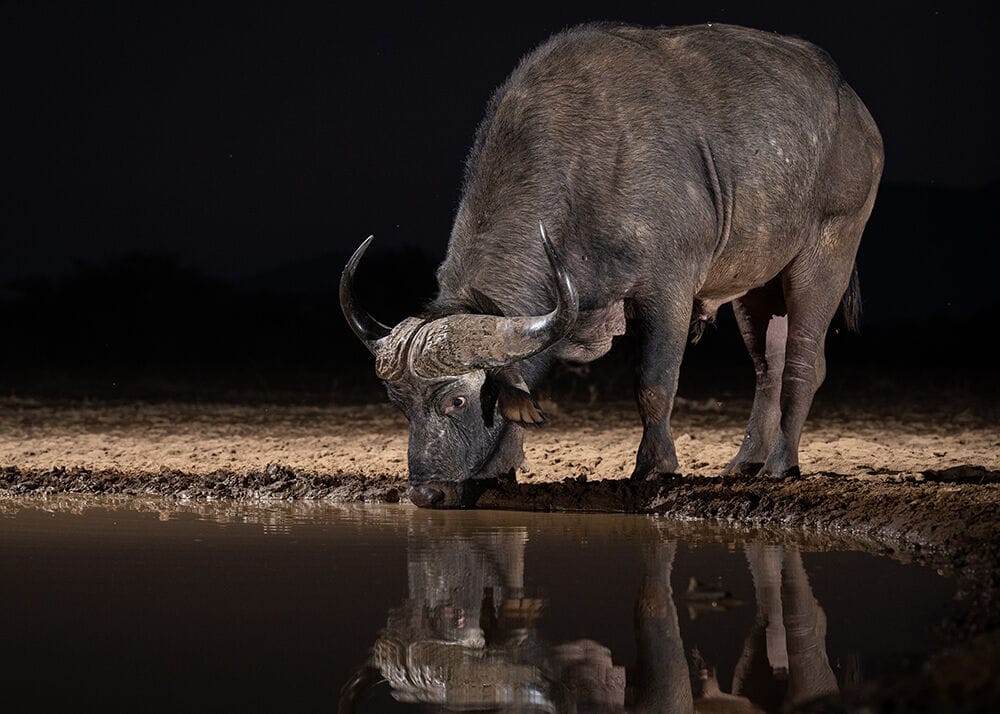
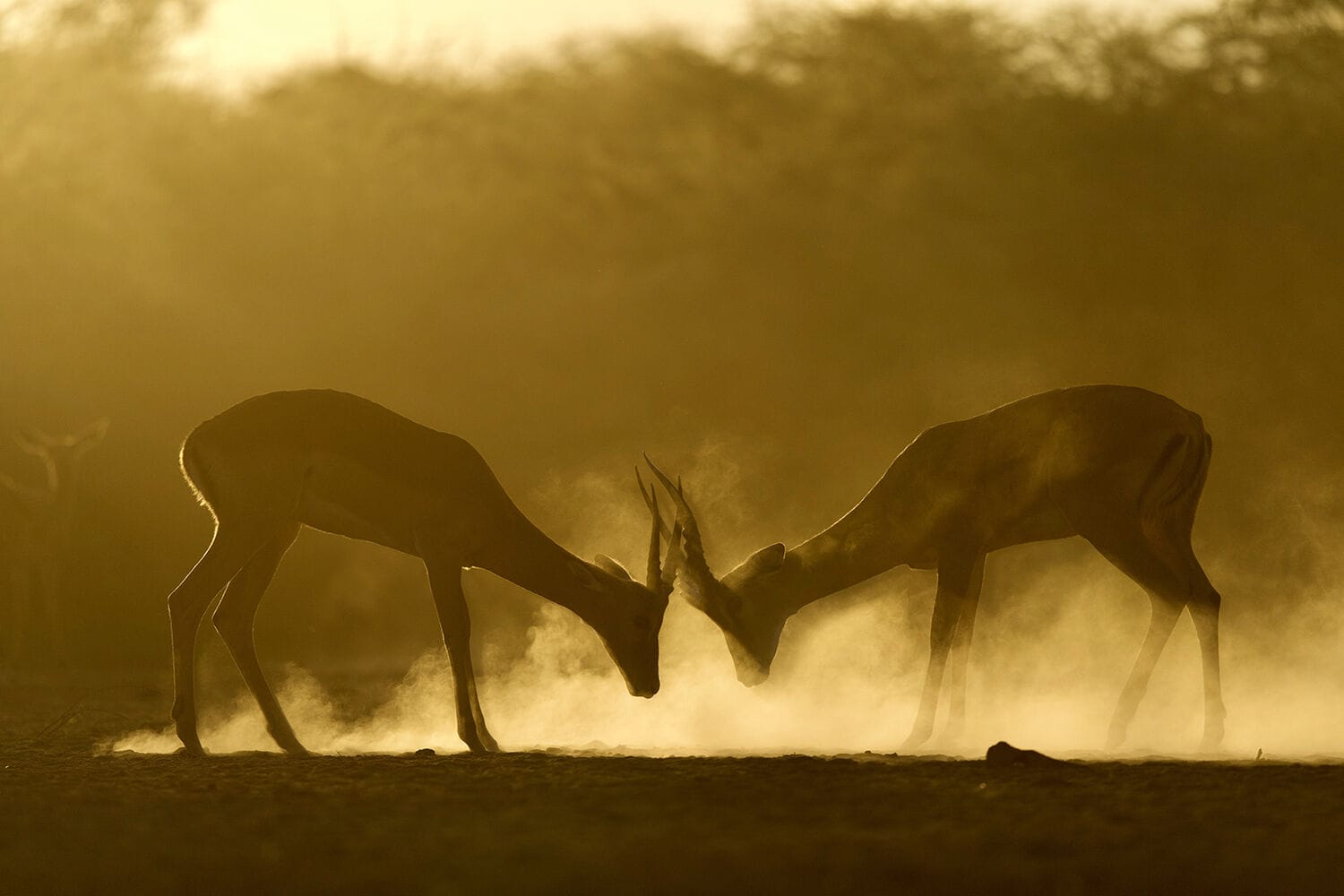
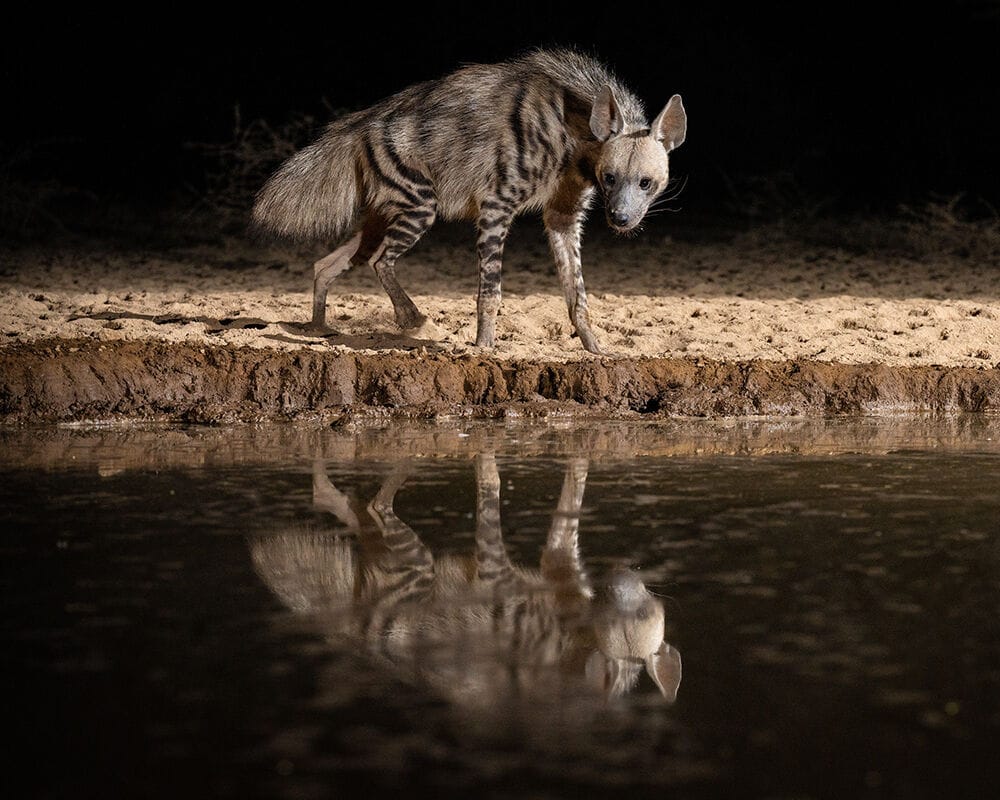
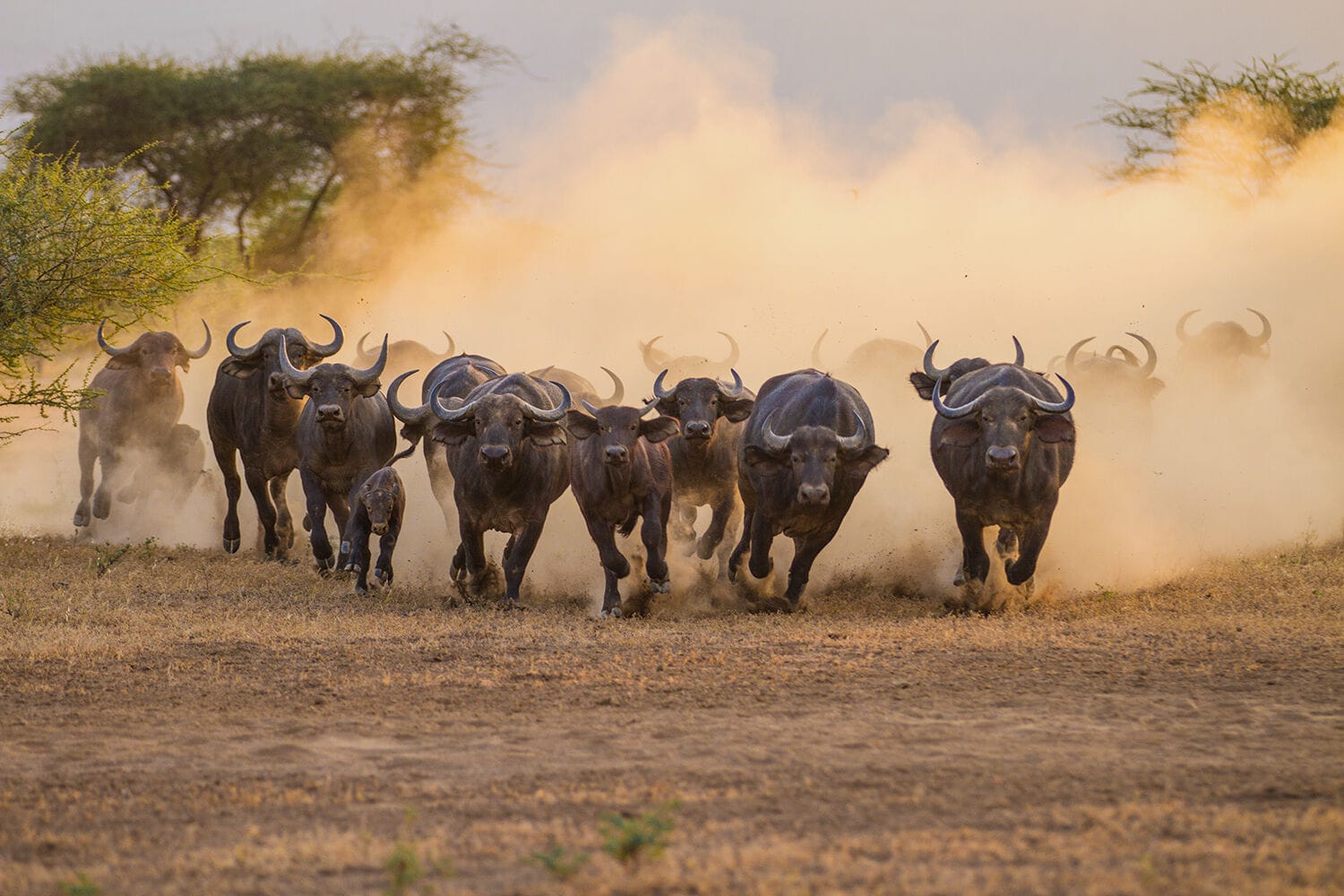
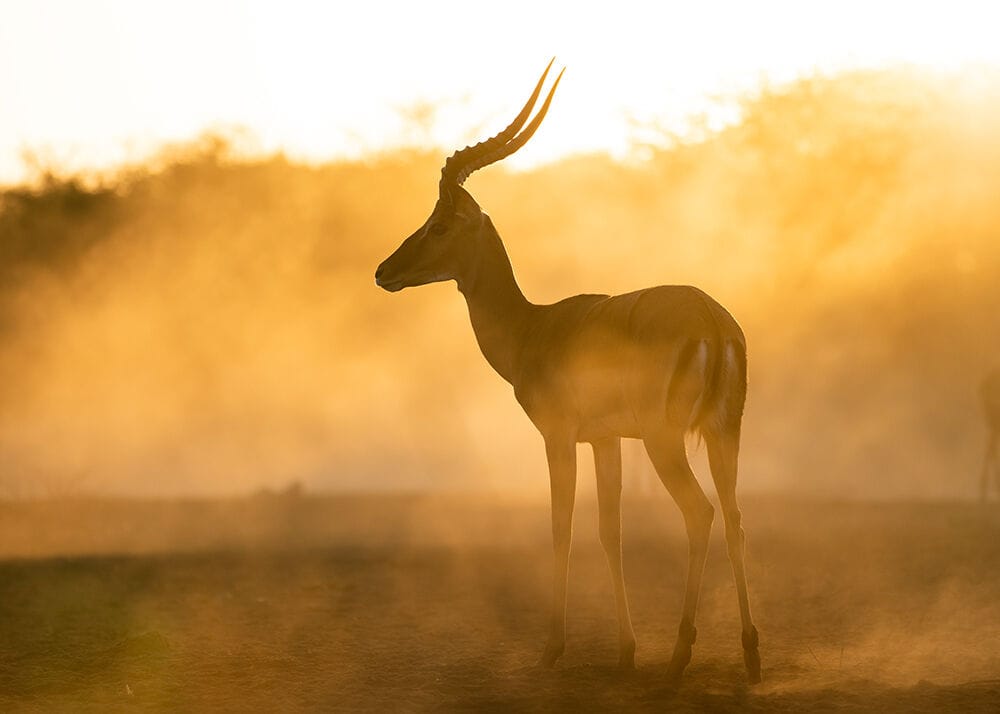
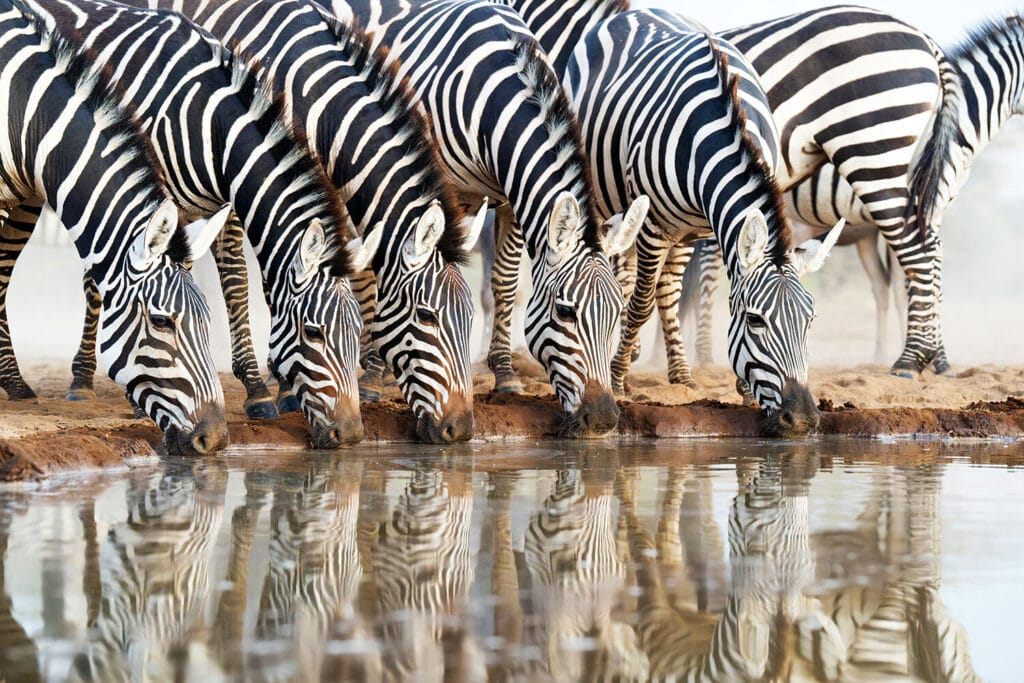
Large herds of buffalo have been seen and there is a greater density of giraffe than almost anywhere in the region, along with abundant plains game such as zebra, wildebeest, impala and eland, and desert antelope such as gerenuk and oryx. The nocturnal wildlife viewing is good – with many small carnivores to be seen including bat-eared foxes, African wild cats, genet cats and even the shy caracal making an occasional appearance.
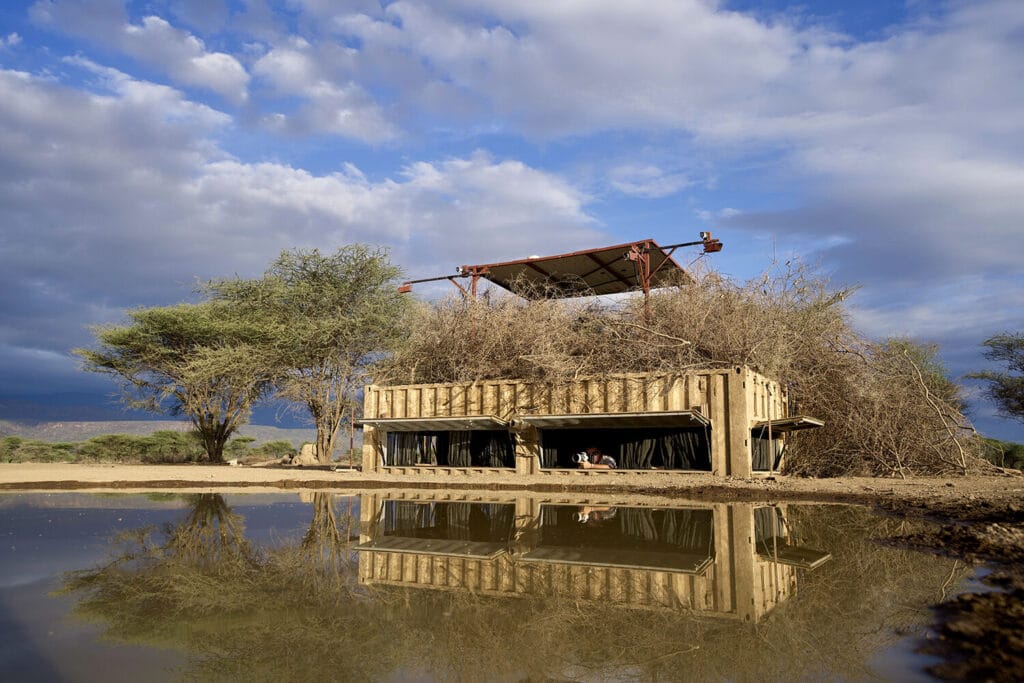
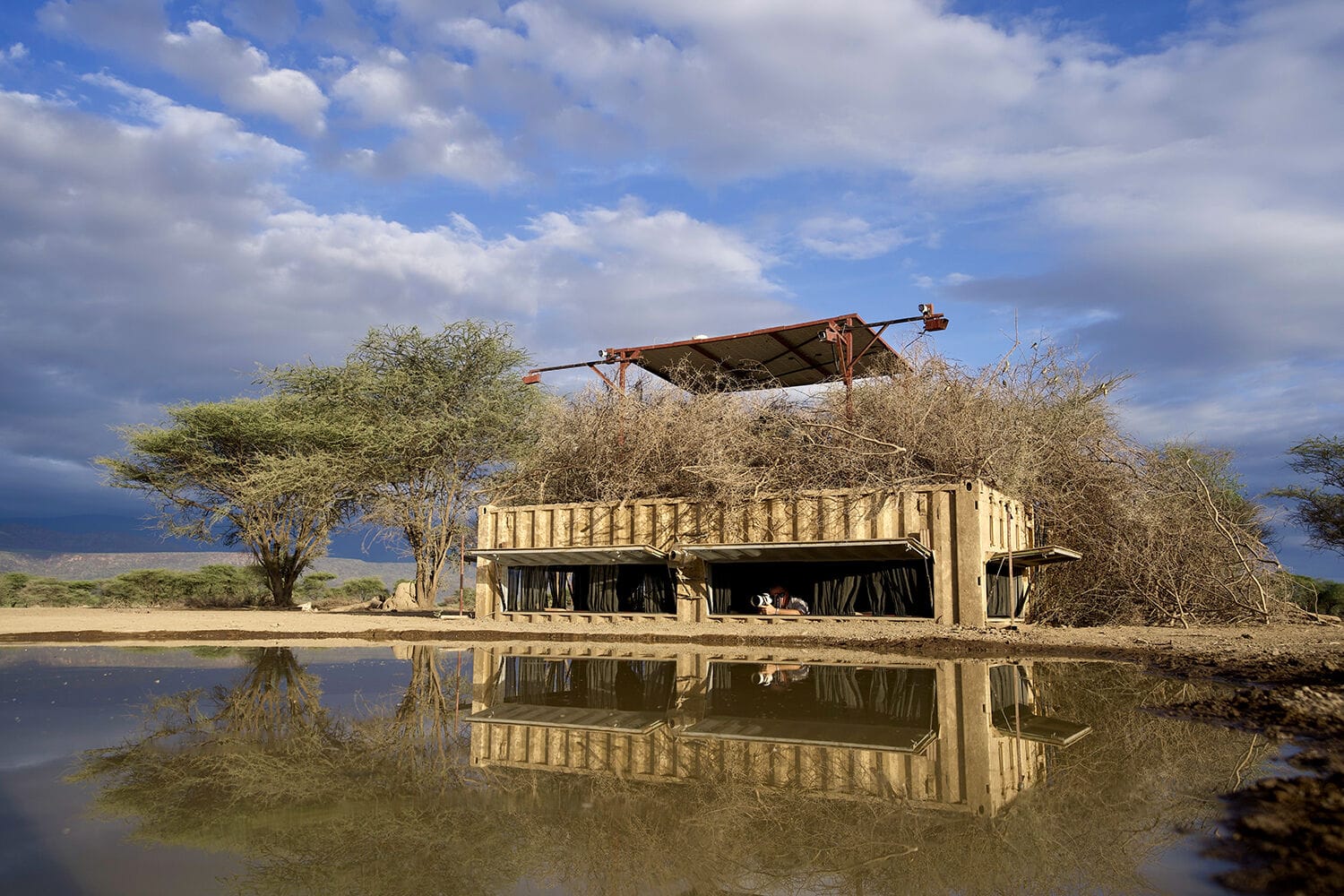
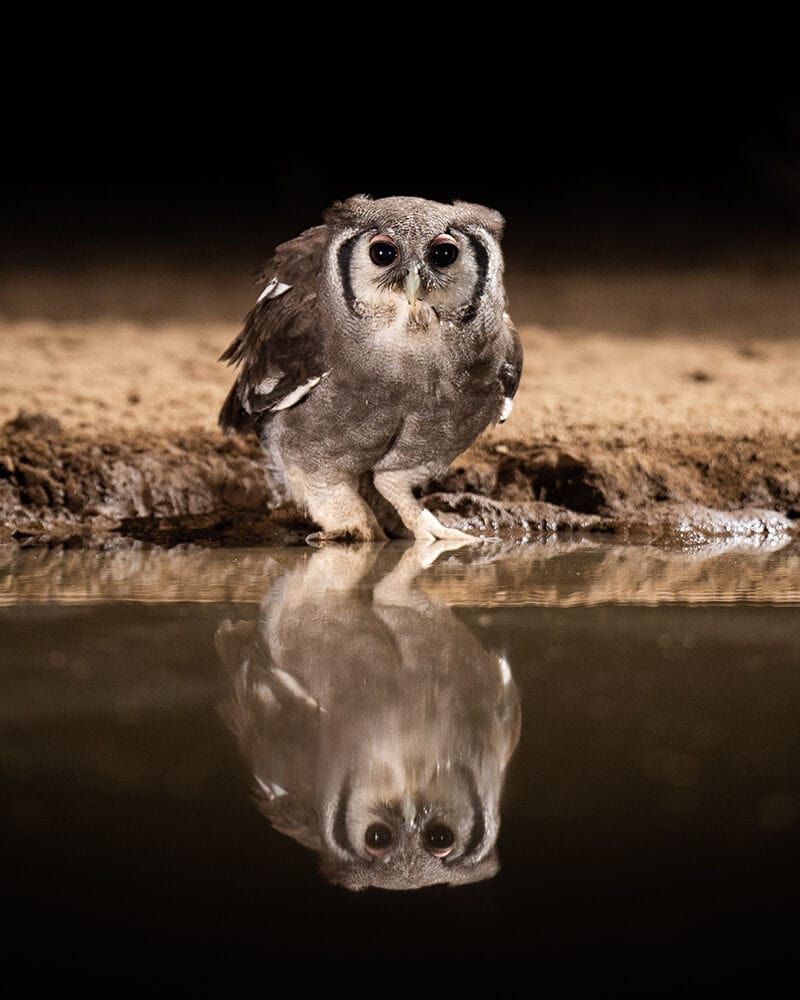
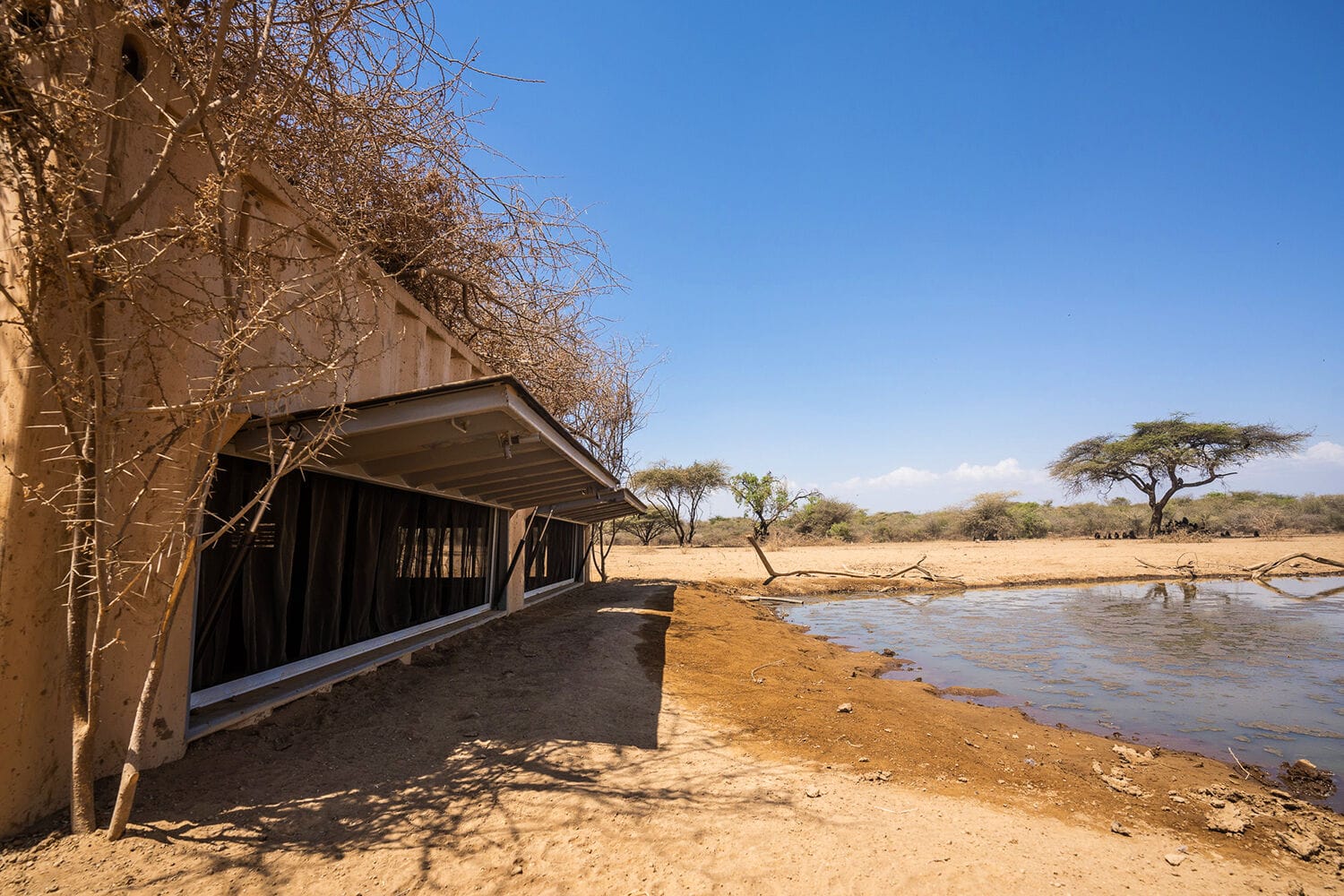
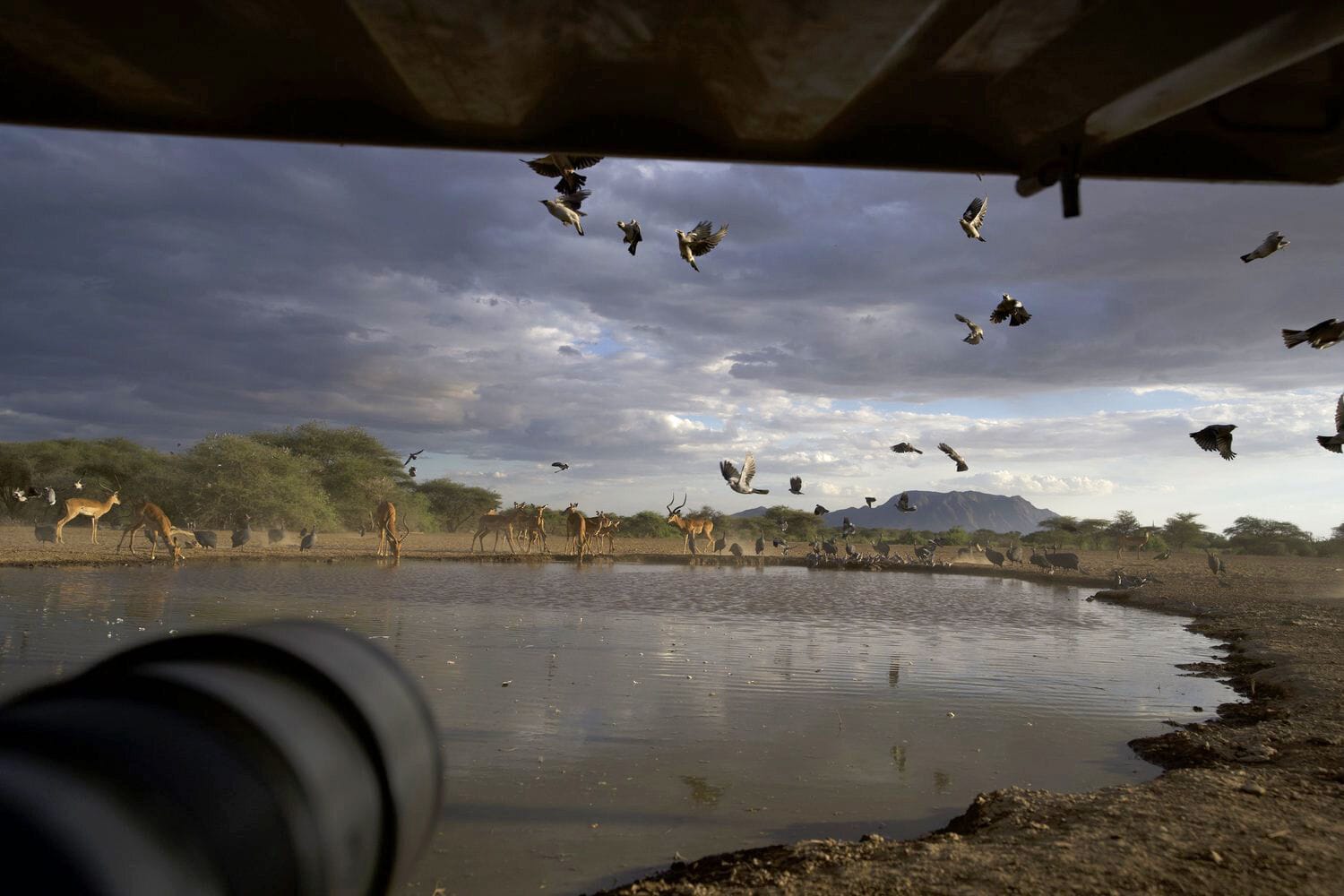
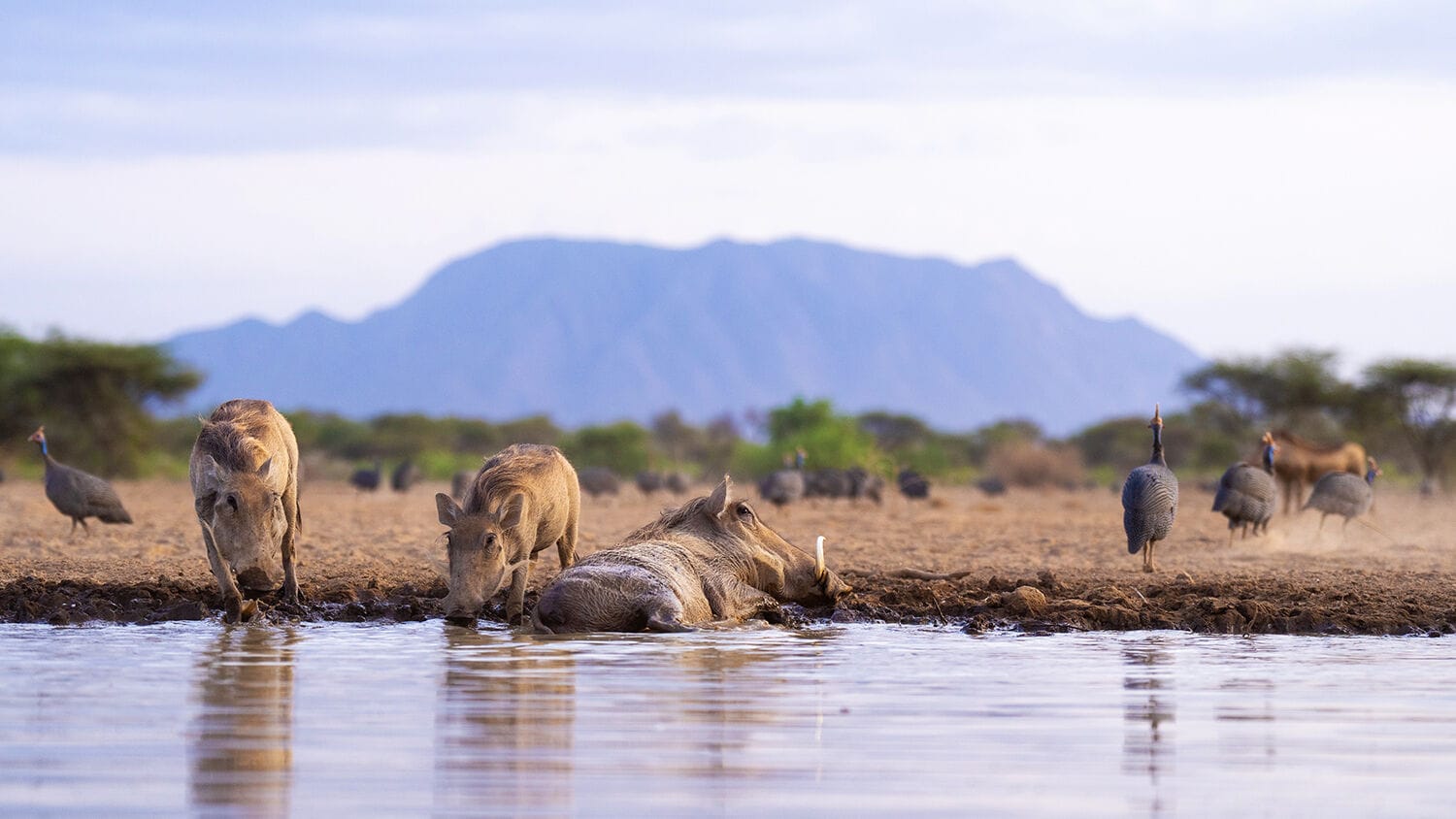
Created by photographers for photographers, the fantastic Shompole Hide is situated a few kilometres from the camp across the river, and offers the opportunity to get close up to some of the more rare and shy wildlife. The Hide comprises of two sunken refurbished shipping containers, well-equipped and fitted-out, with eye-level views of a small waterhole.
Out on the open plains, with uninterrupted south-facing views for over 500 metres, the hide is a great place to watch and experience animal behaviour from a new perspective. Guests can spend a morning, afternoon or evening there and overnight stays are also an option – it has four single beds, a flushing loo, charging points and internet too!
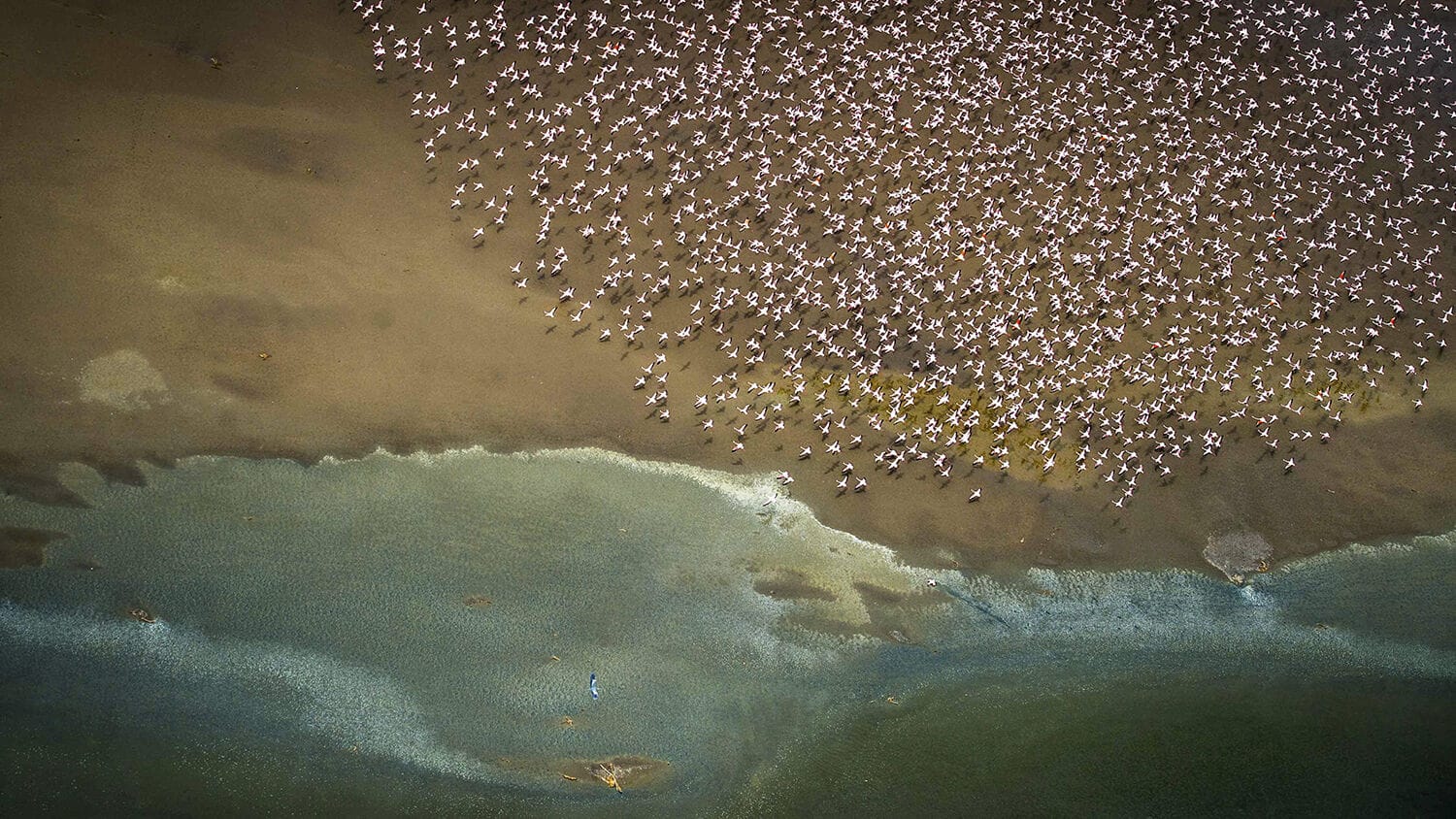
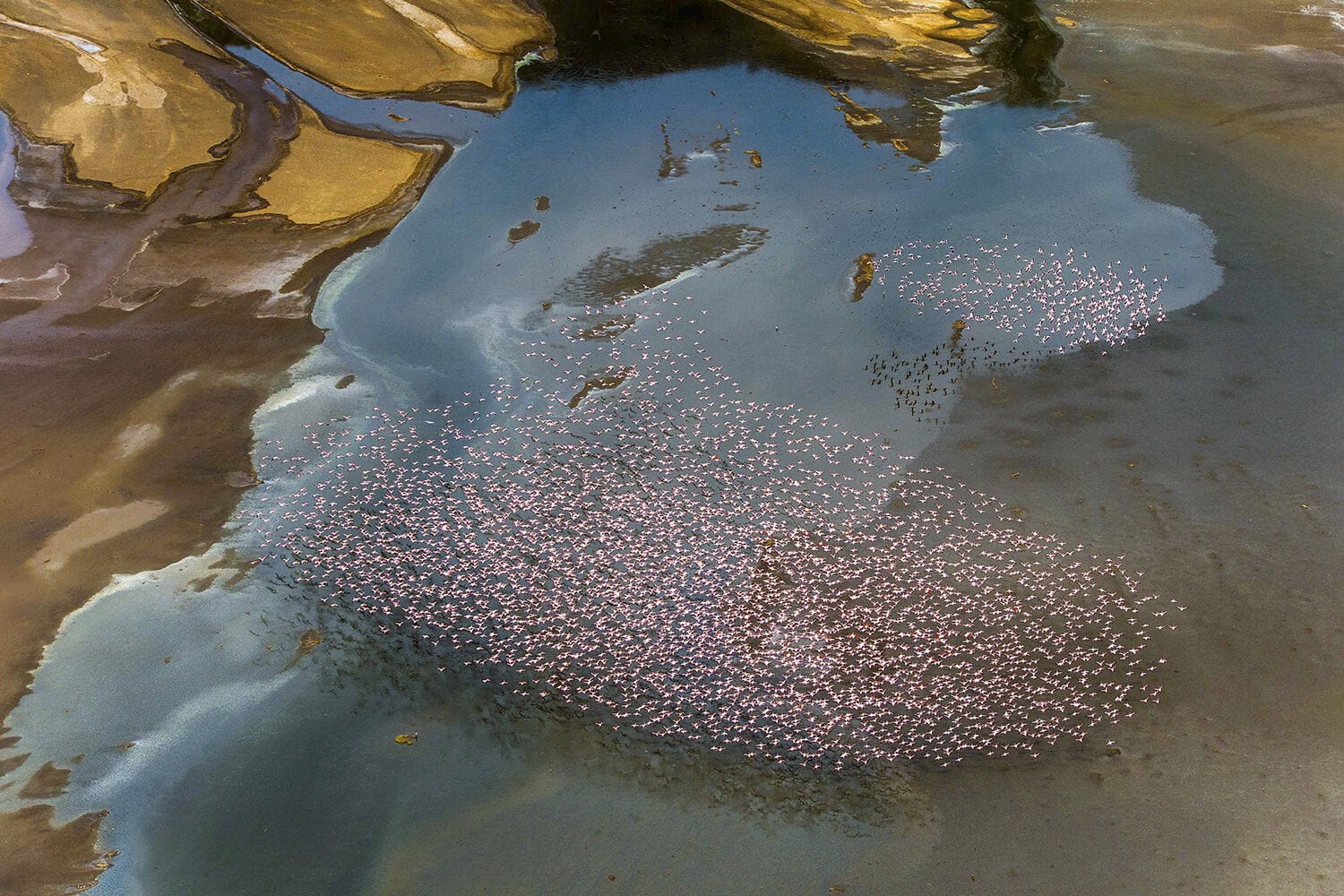
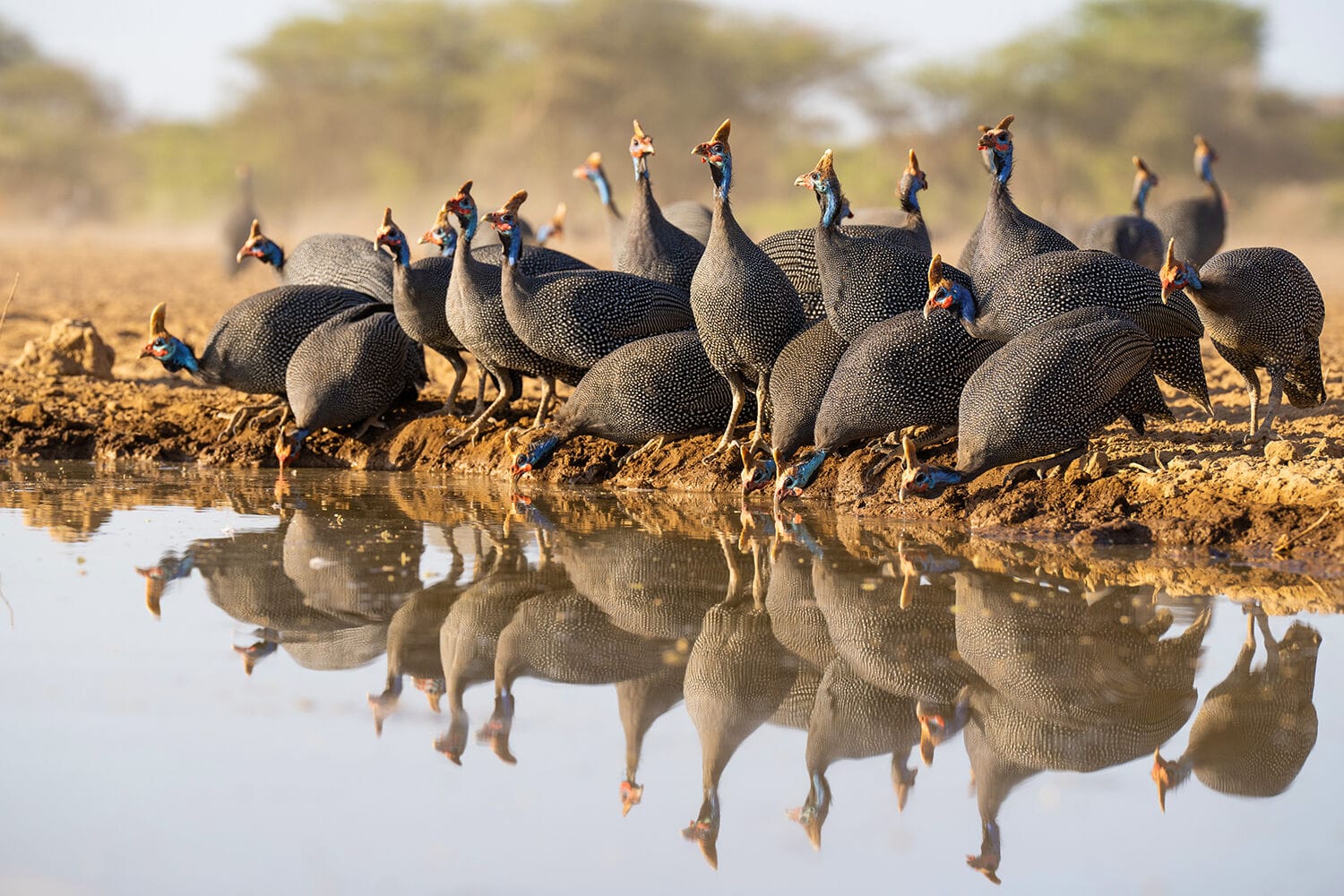
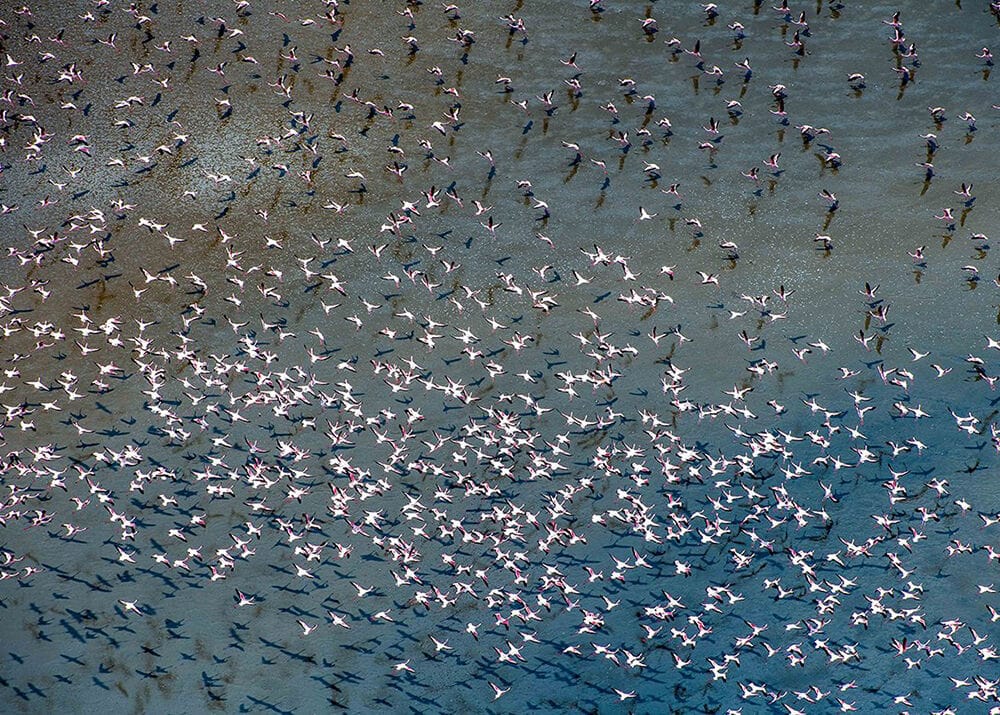
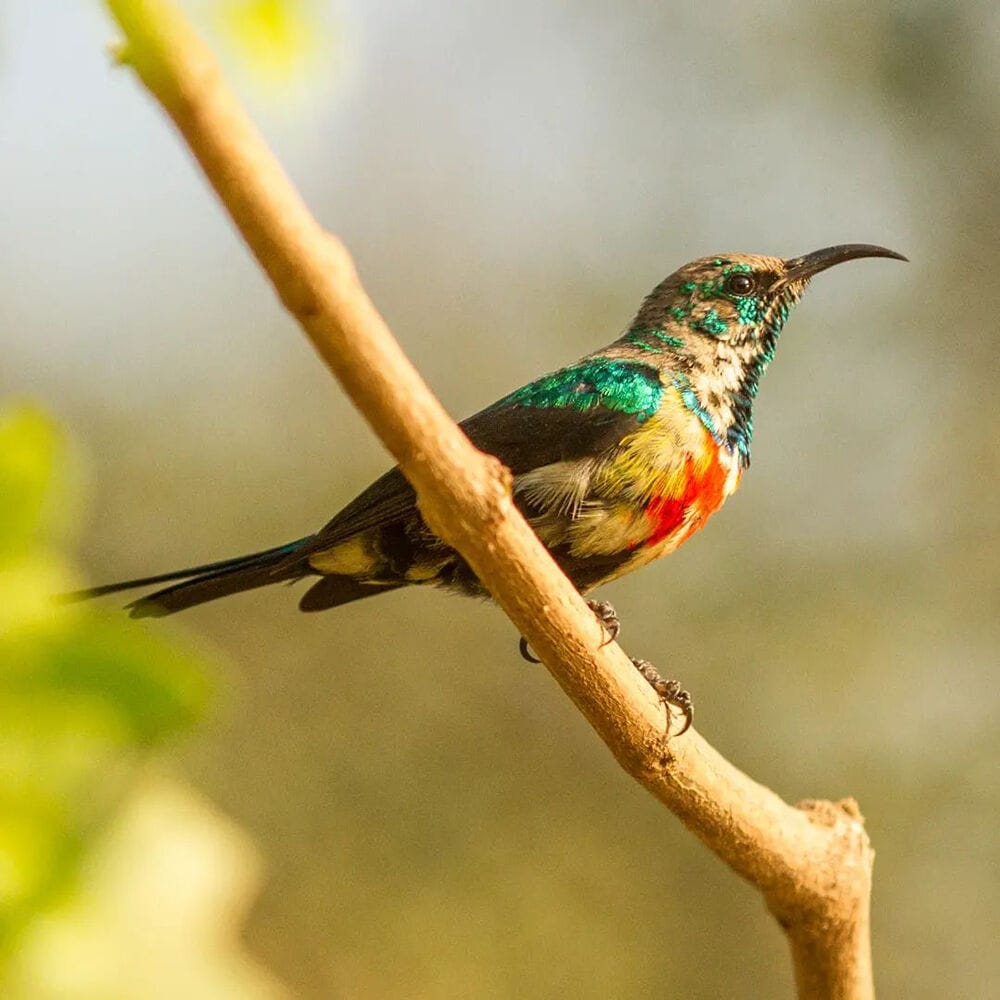
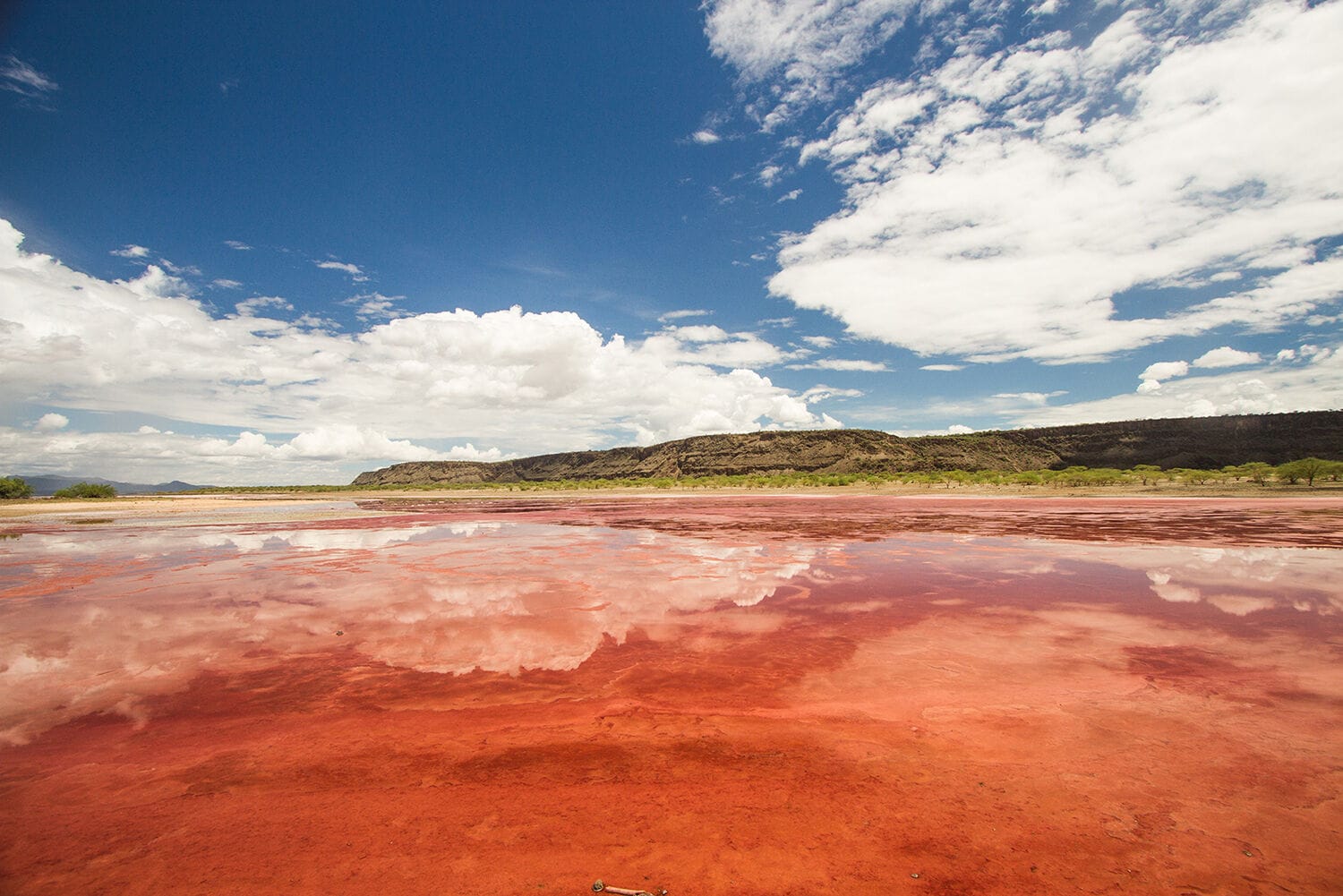
Research has shown over four hundred species of birds in the ecosystem, making this a must-visit location for bird lovers. Nearby soda lakes Natron and Magadi are rich in trona, attracting both the beautiful lesser and greater flamingos.
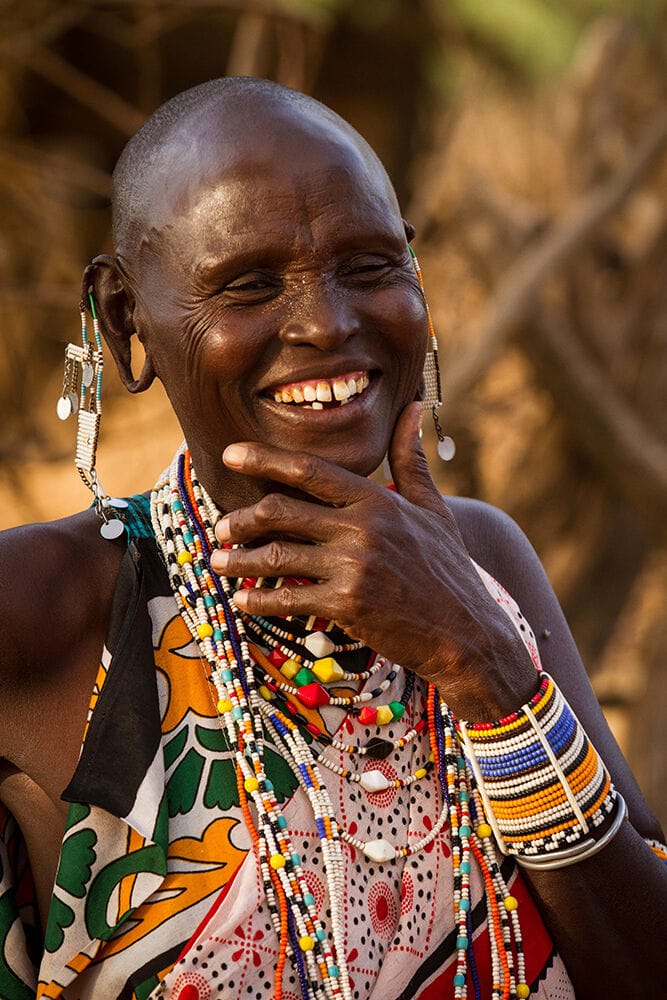
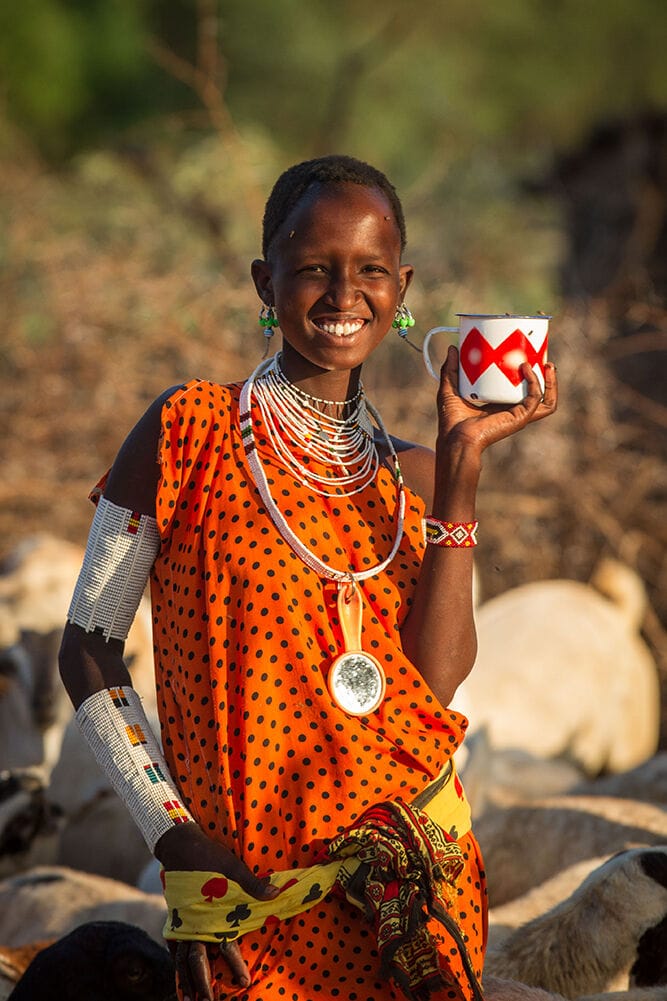
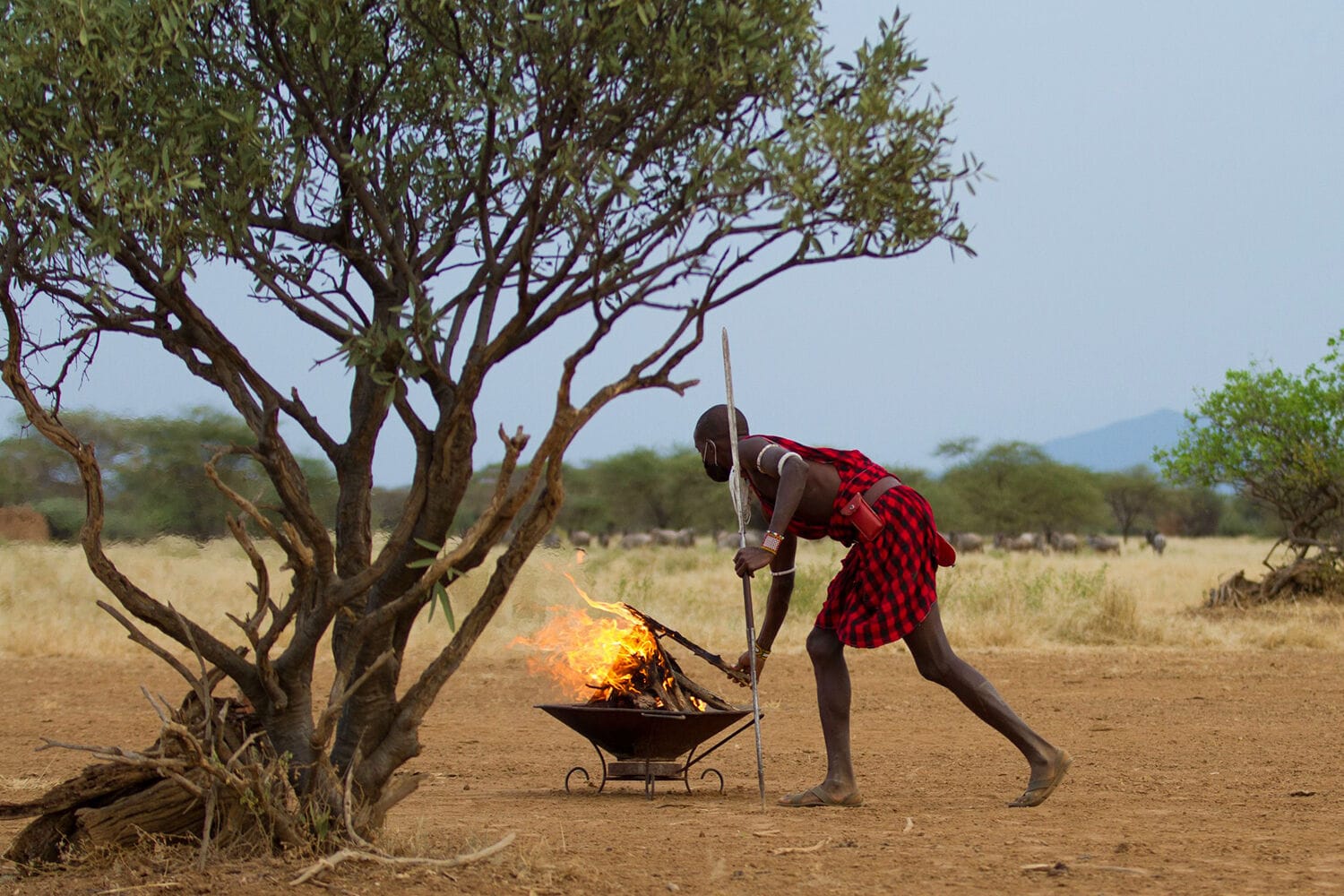
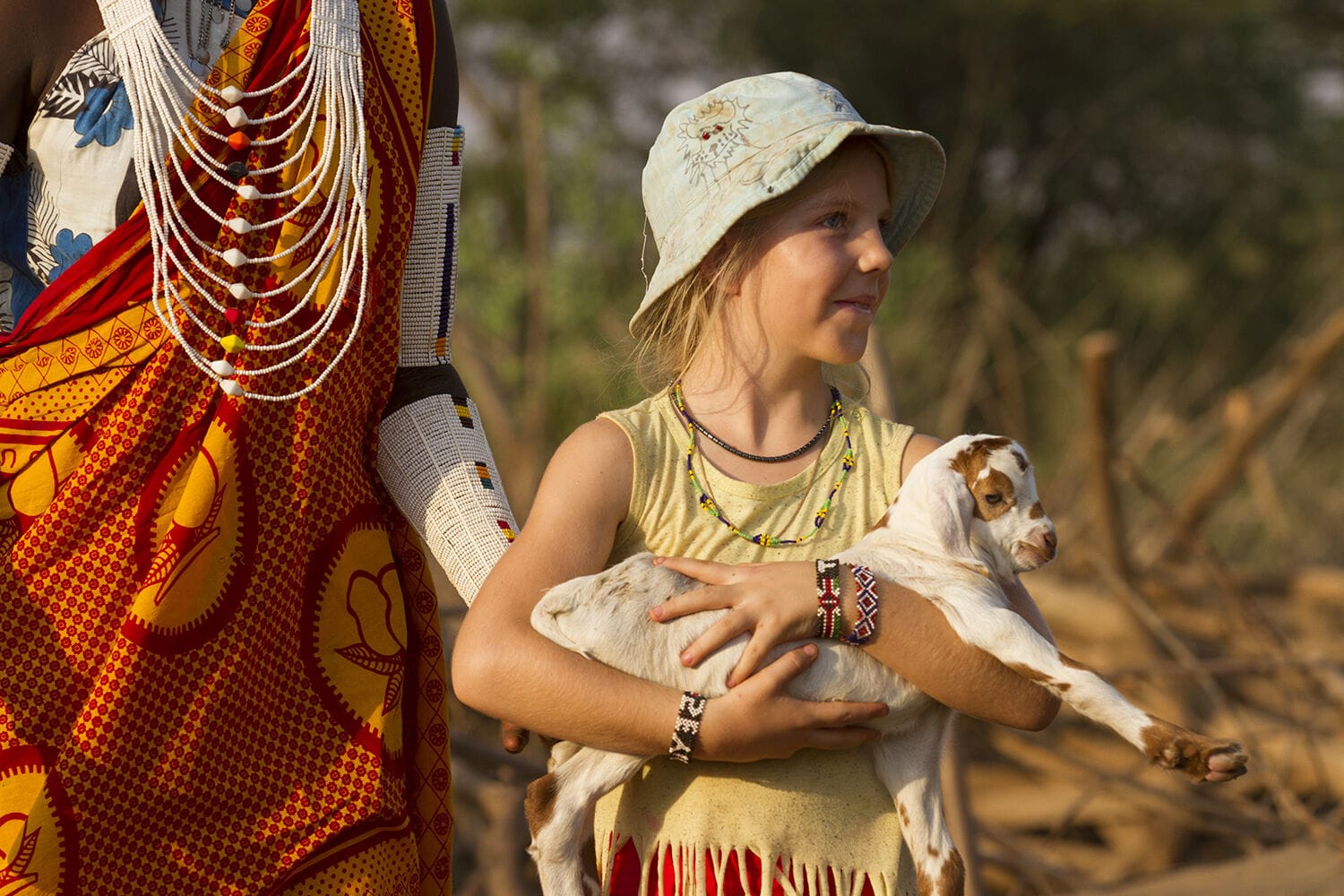
What makes this area particularly special and unique, however, is the fact that the wildlife lives alongside the Masai and their livestock. The local Loodokilani Masai, like their kinsmen throughout the region, tolerate wild game including large carnivores such as lions and leopards. As a result their homeland still resembles the pristine Africa of old, with a co-existence between man and beast which is increasingly rare in the region.
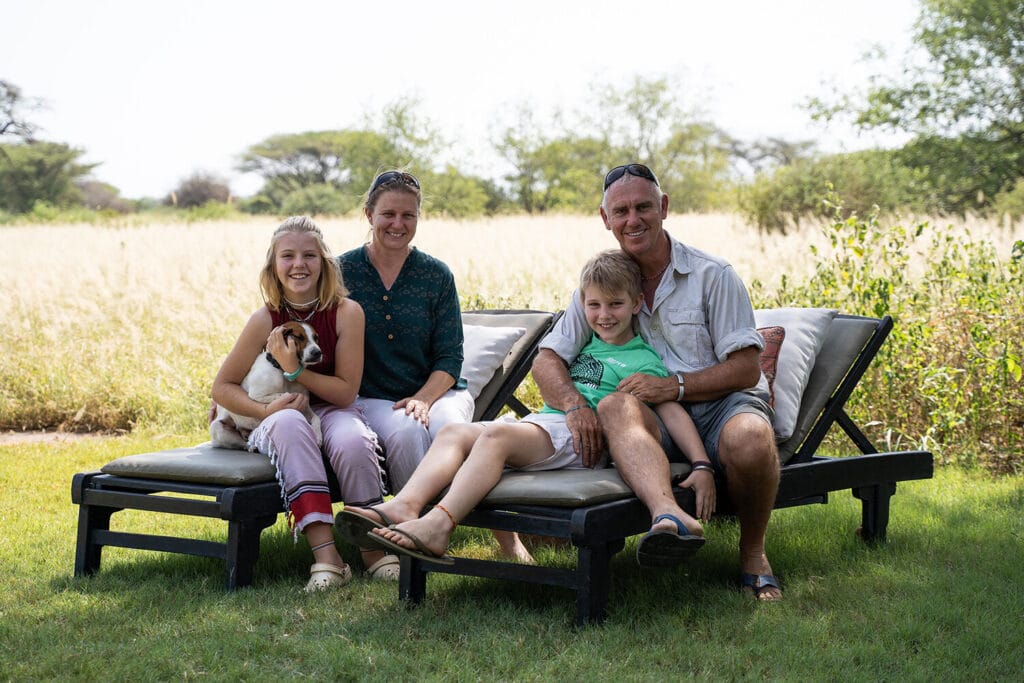
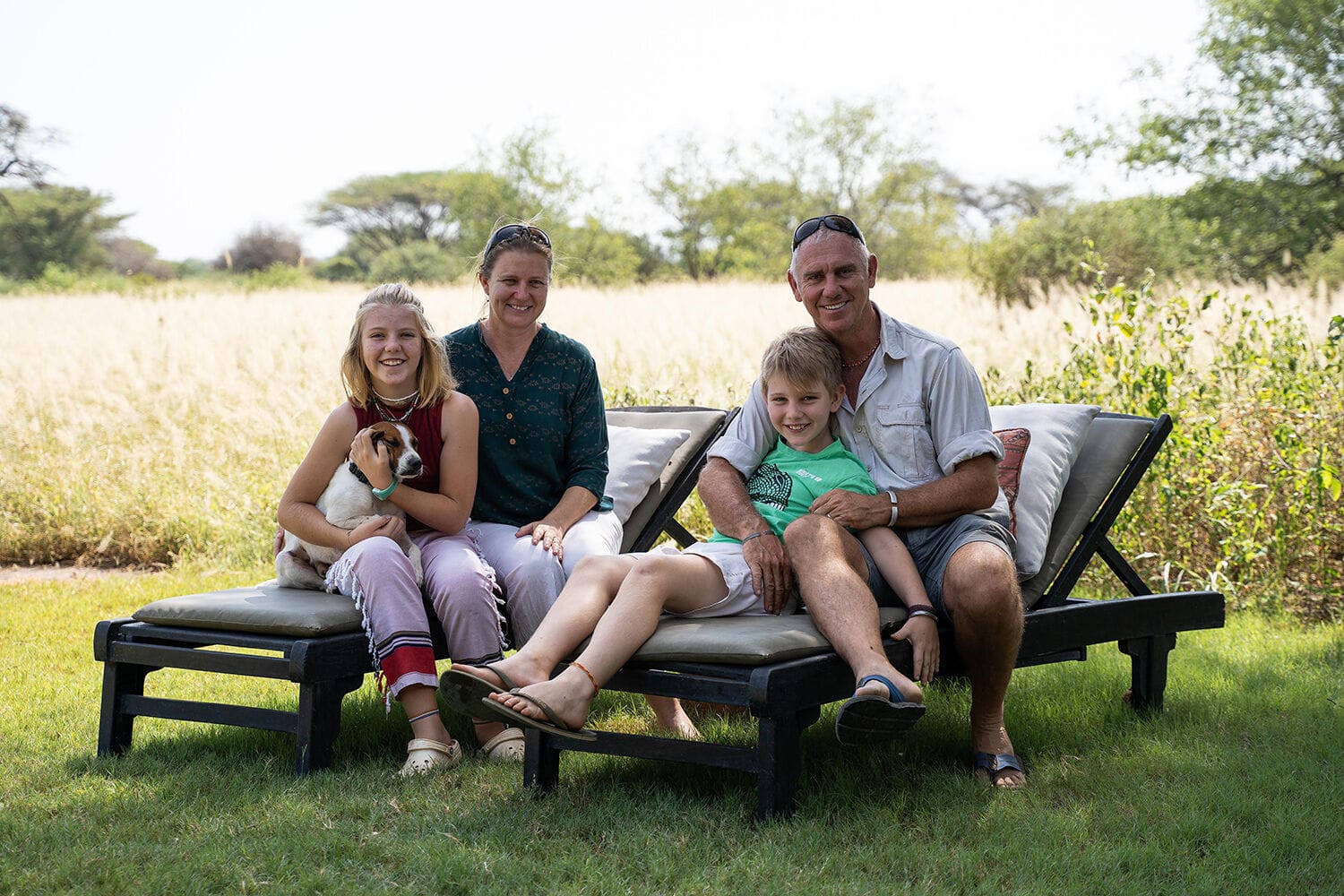
Your welcoming and knowledgeable hosts at the camp are the local Maasai people together with Johann du Toit and his family, who have lived and worked in the area for many years. Johann is a Swiss-trained hotelier and safari guide and his wife Samantha heads up all the scientific research in the ecosystem. Their children Seyia and Taru live here in the bush with them.
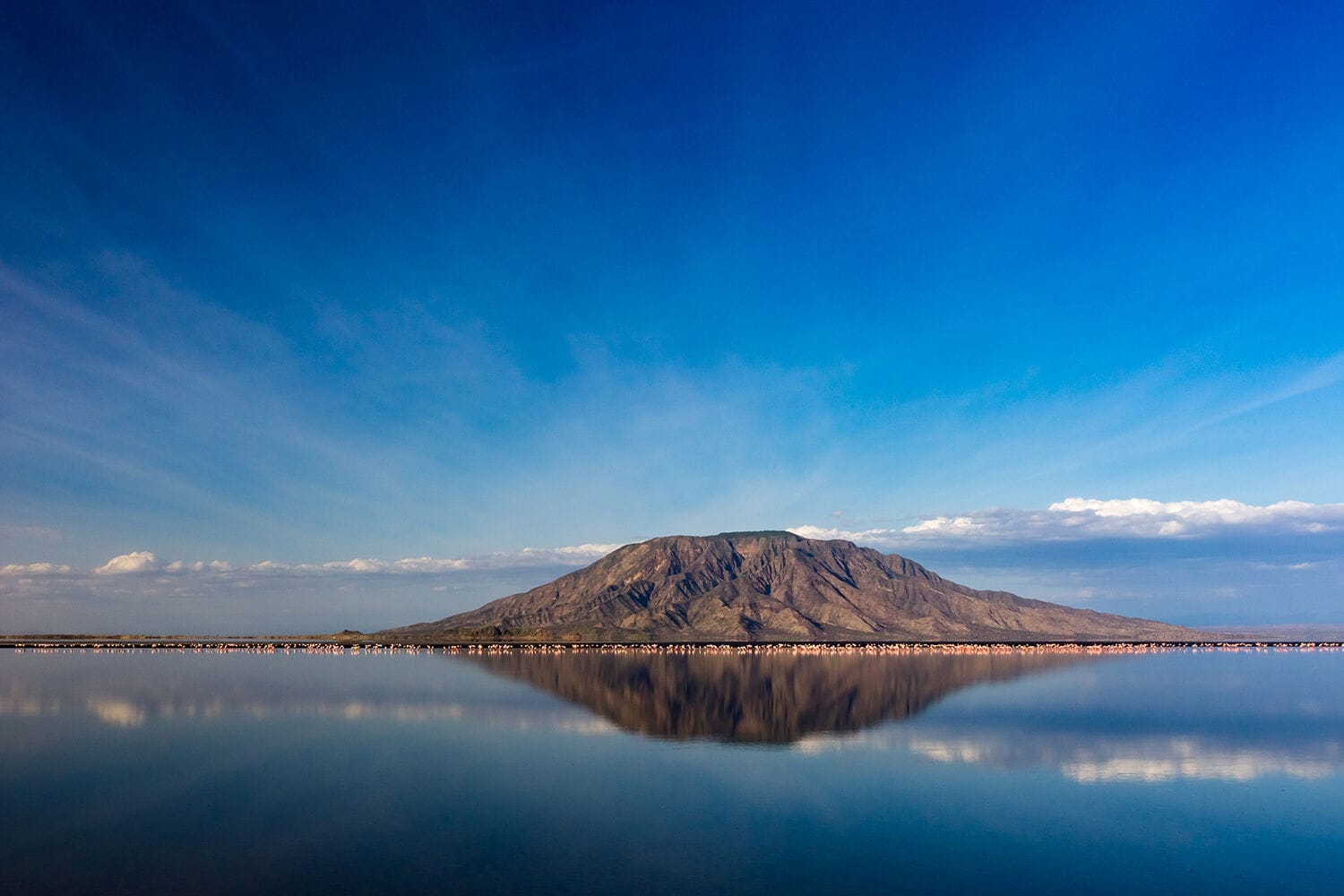
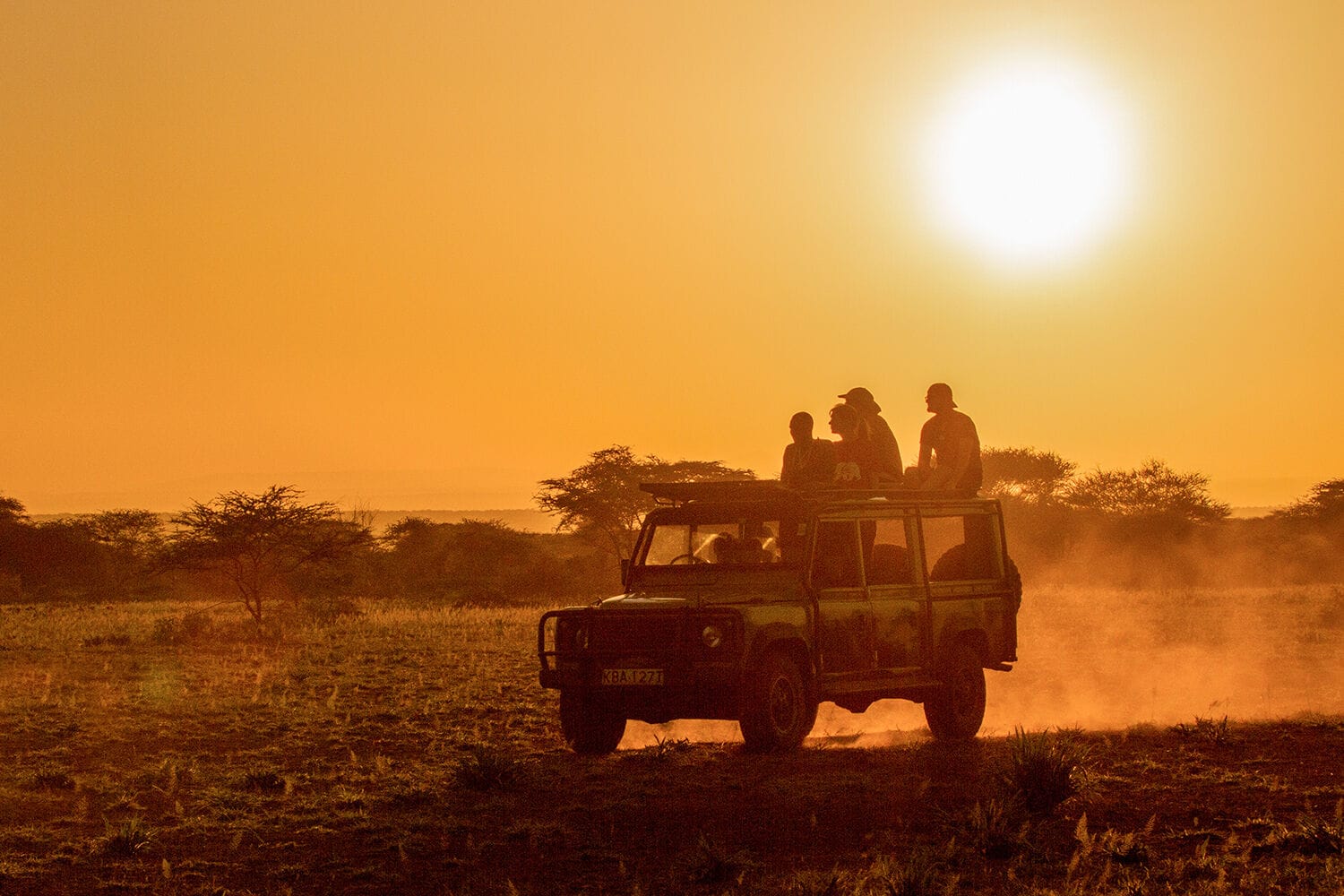
As well as game drives around the conservancy, all set against the backdrop of the magnificent Mount Shompole and the spectacular Great Rift Valley wall, other interesting things to do by vehicle are to visit the Shompole swamps, Lakes Magadi and Natron, nearby waterfalls and to do some tracking (both on foot and by vehicle). Other recommended activities include :-
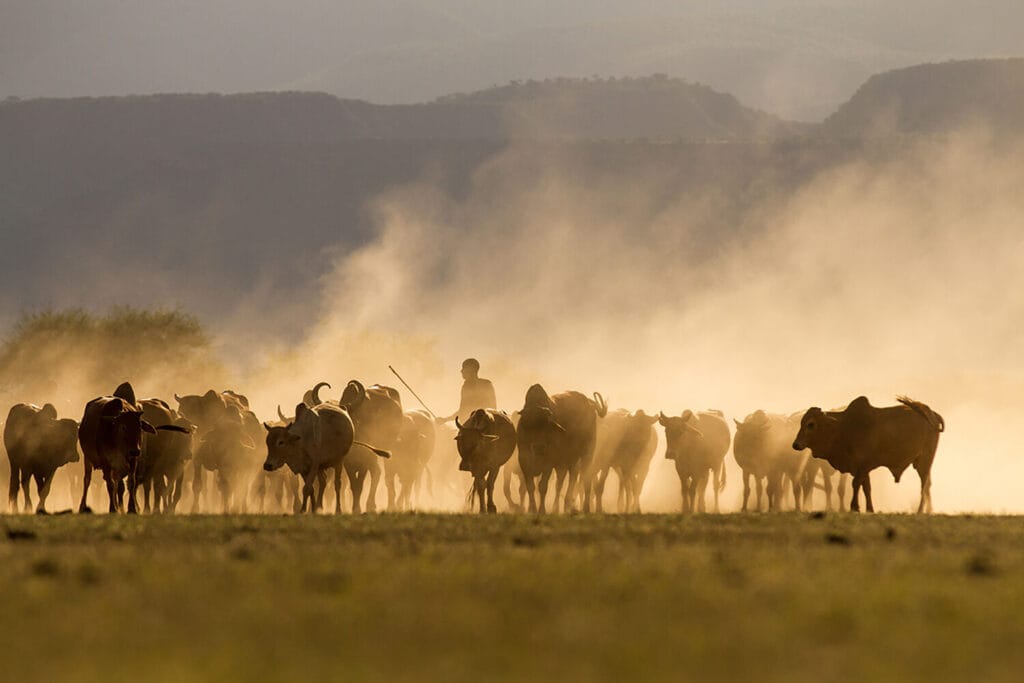
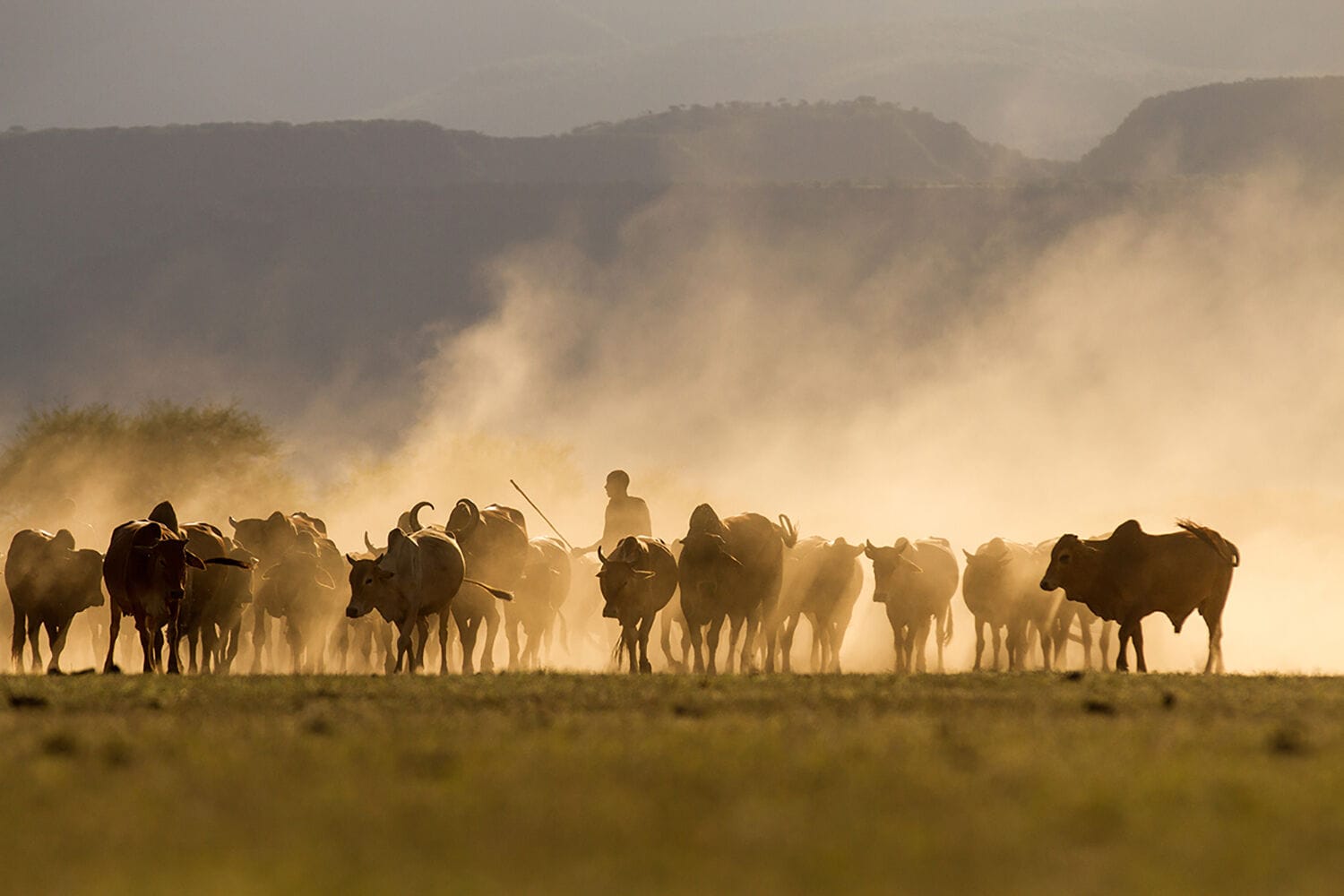
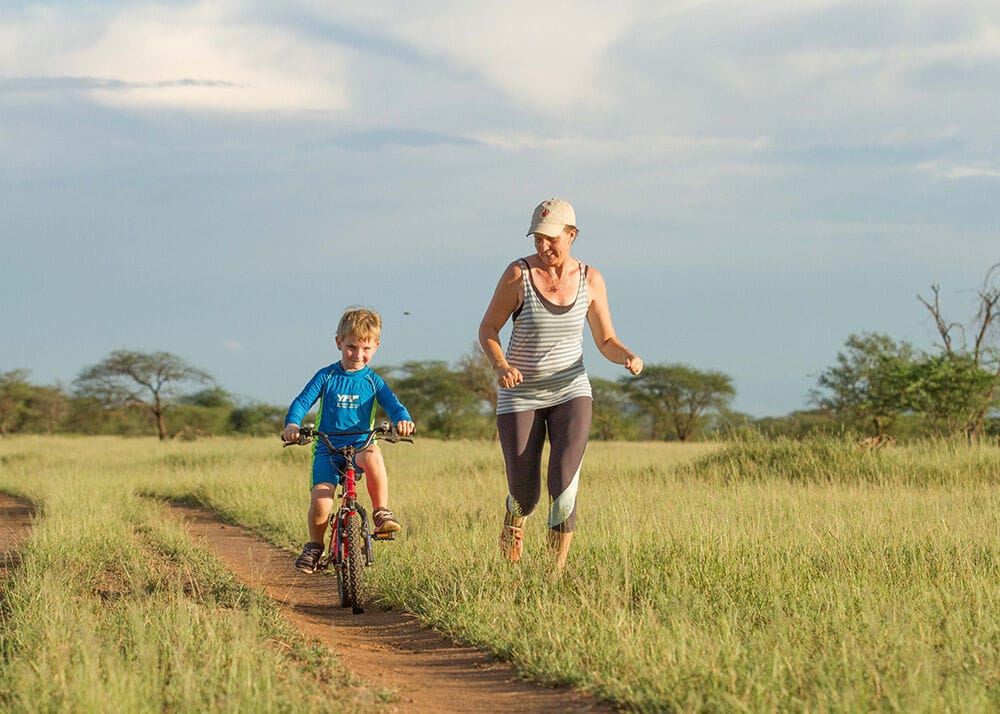
Walking with Cattle – travel across the plains with the local Masai herders as they make their way back home with their cows after a long day’s grazing. Guests come closer to wildlife than usual amidst the cattle and can try to learn the whistles and chants the Maasai use to communicate with their precious cows.
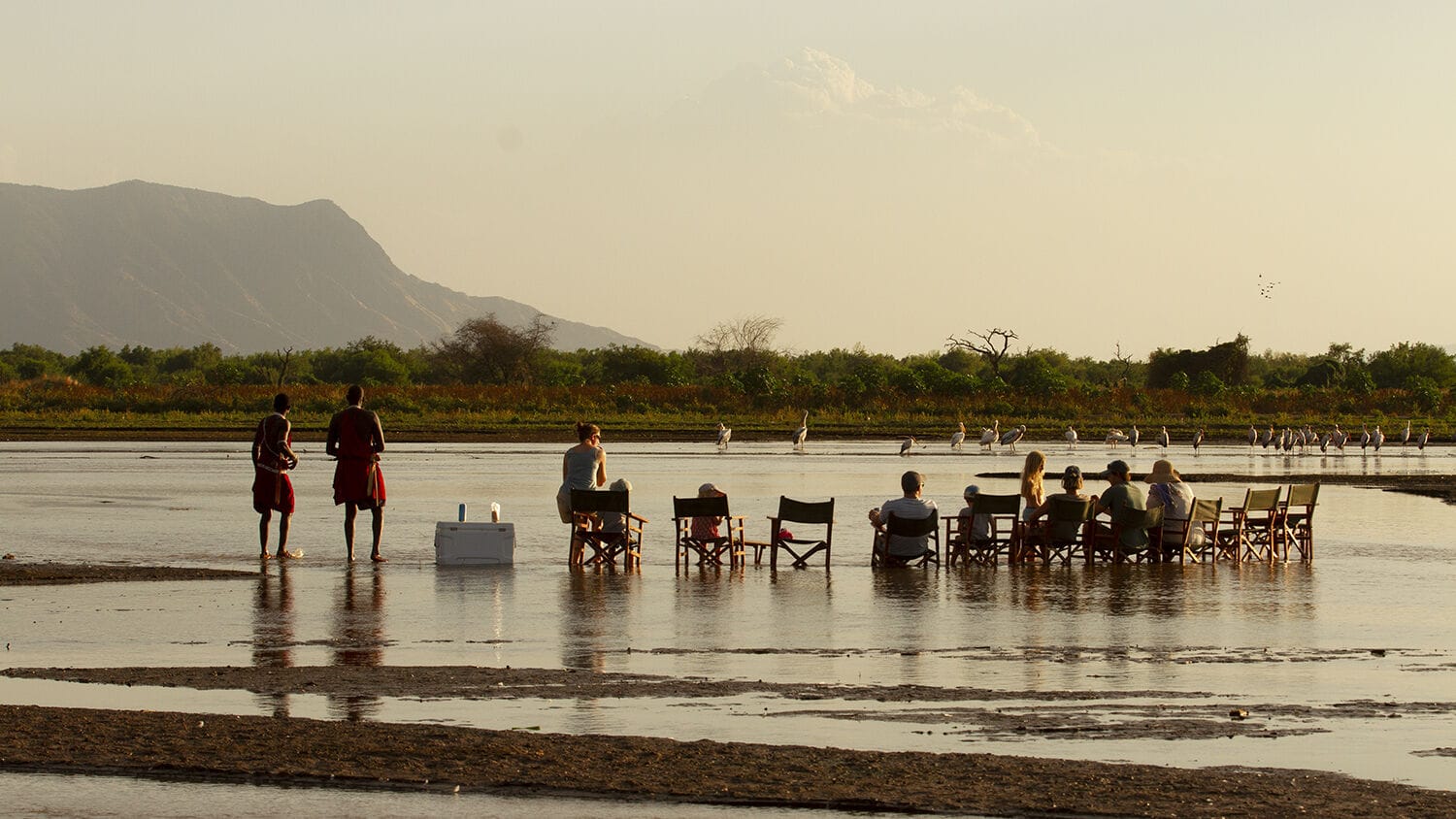
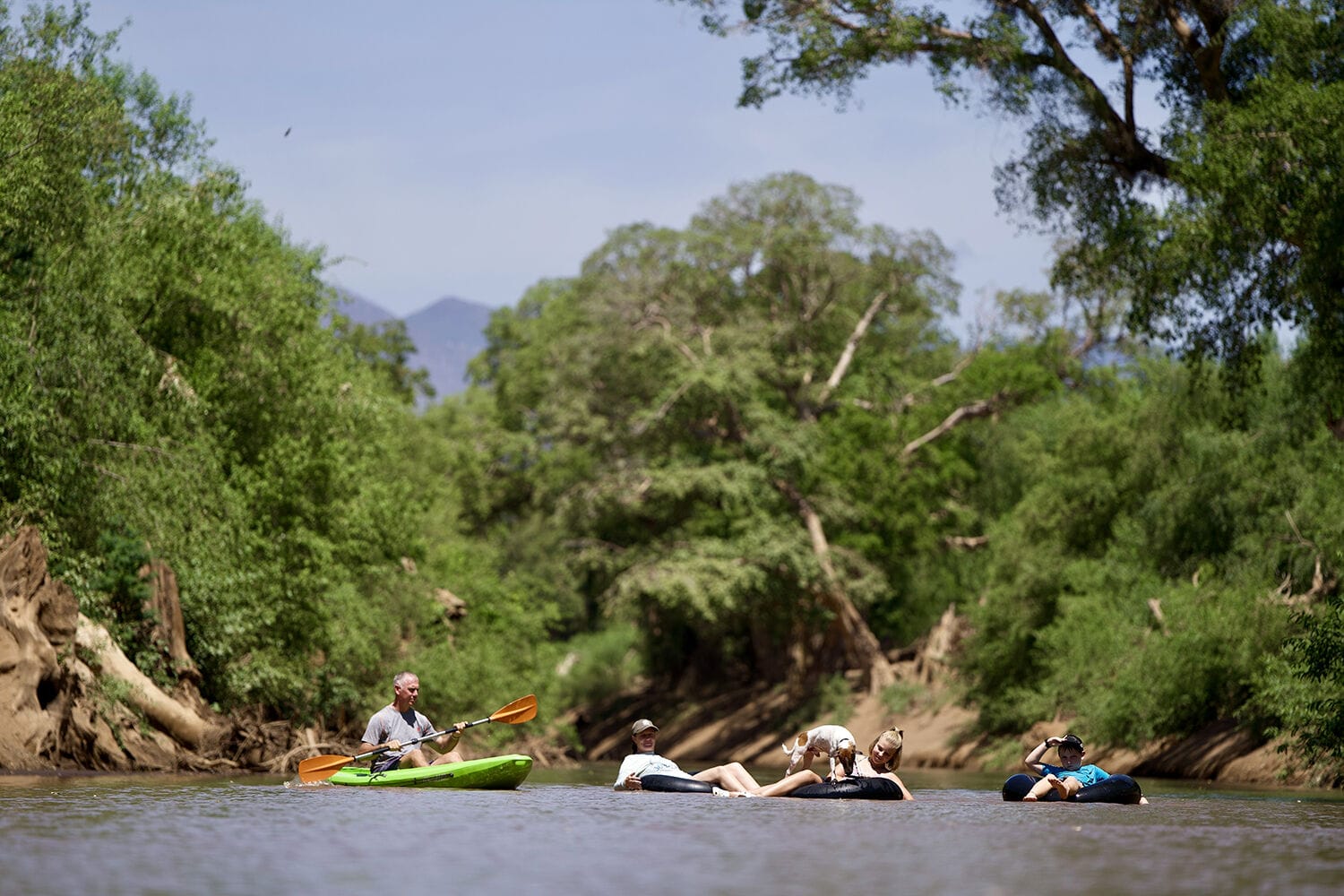
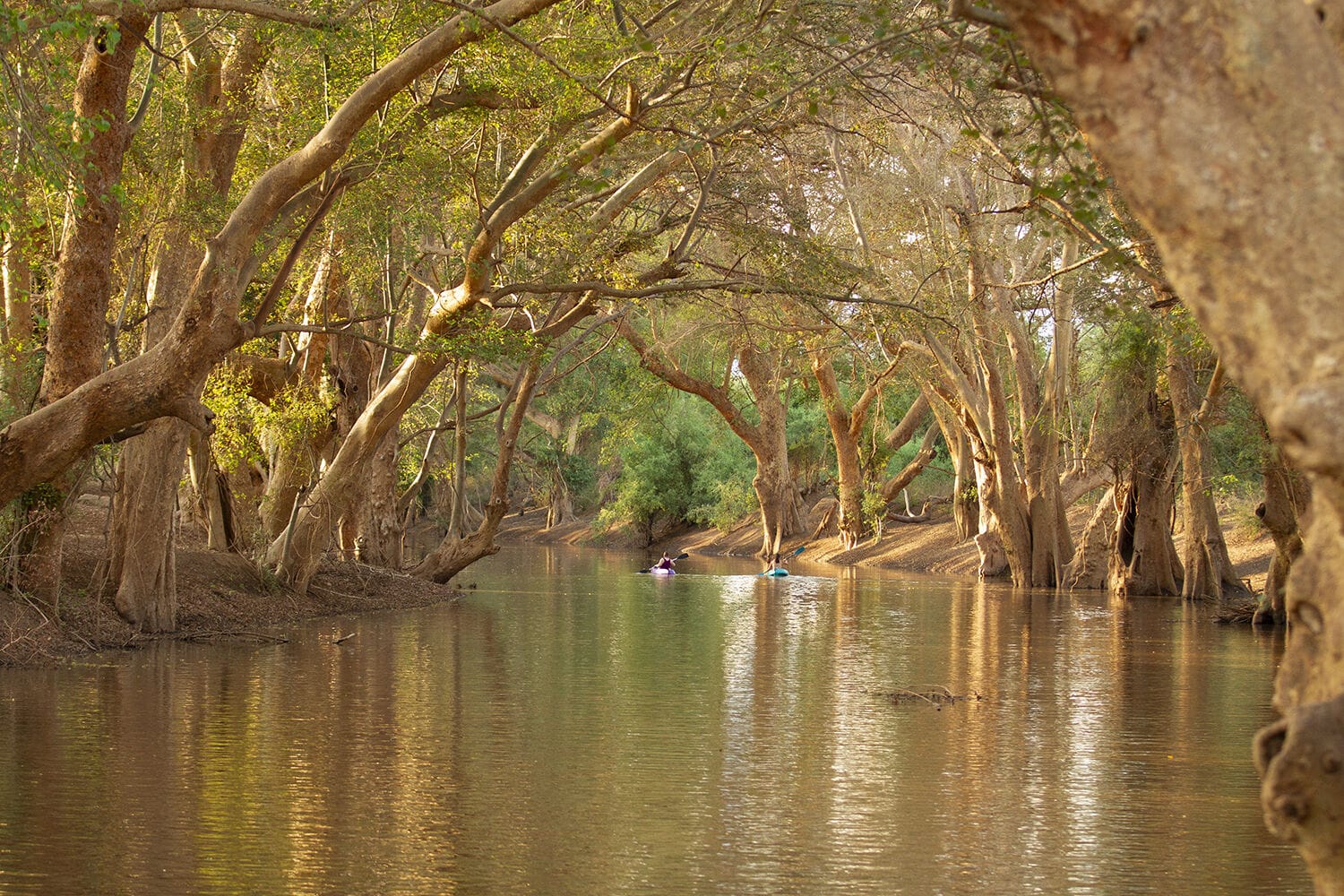
Tubing & Kayaking – the Ewaso Ngiro River is free of dangerous predators such as hippos and crocodiles – making it safe for swimming and kayaking – and floating down the river in an inner tube is a unique way to travel when the river is medium to low in level. You pass by huge fig tree roots going into the water, watched by while baboons and monkeys and the occasional monitor lizard.
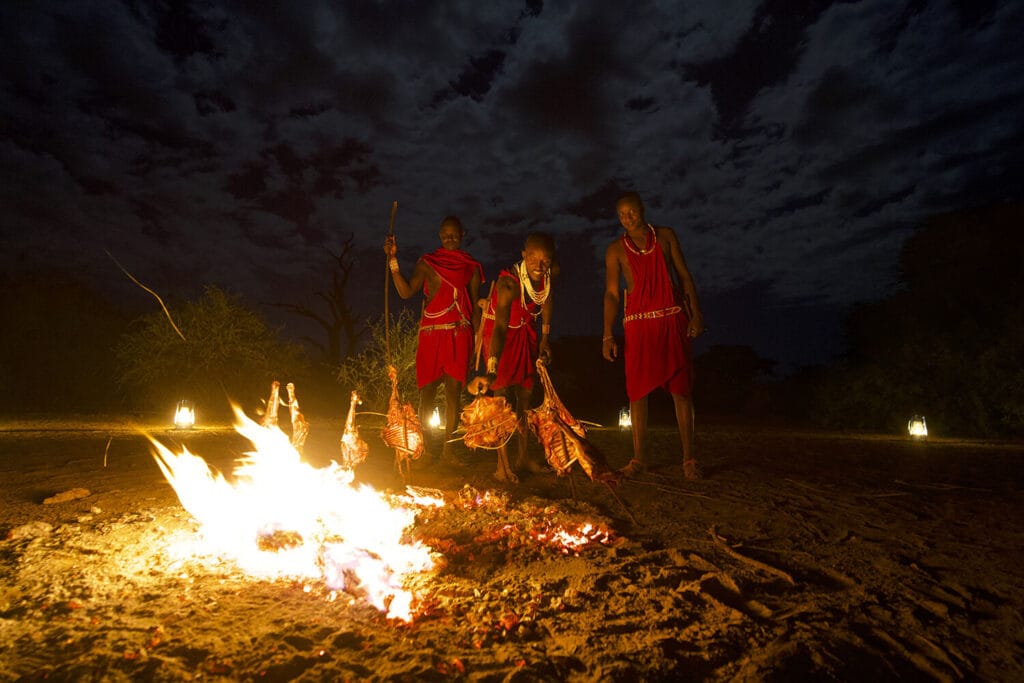
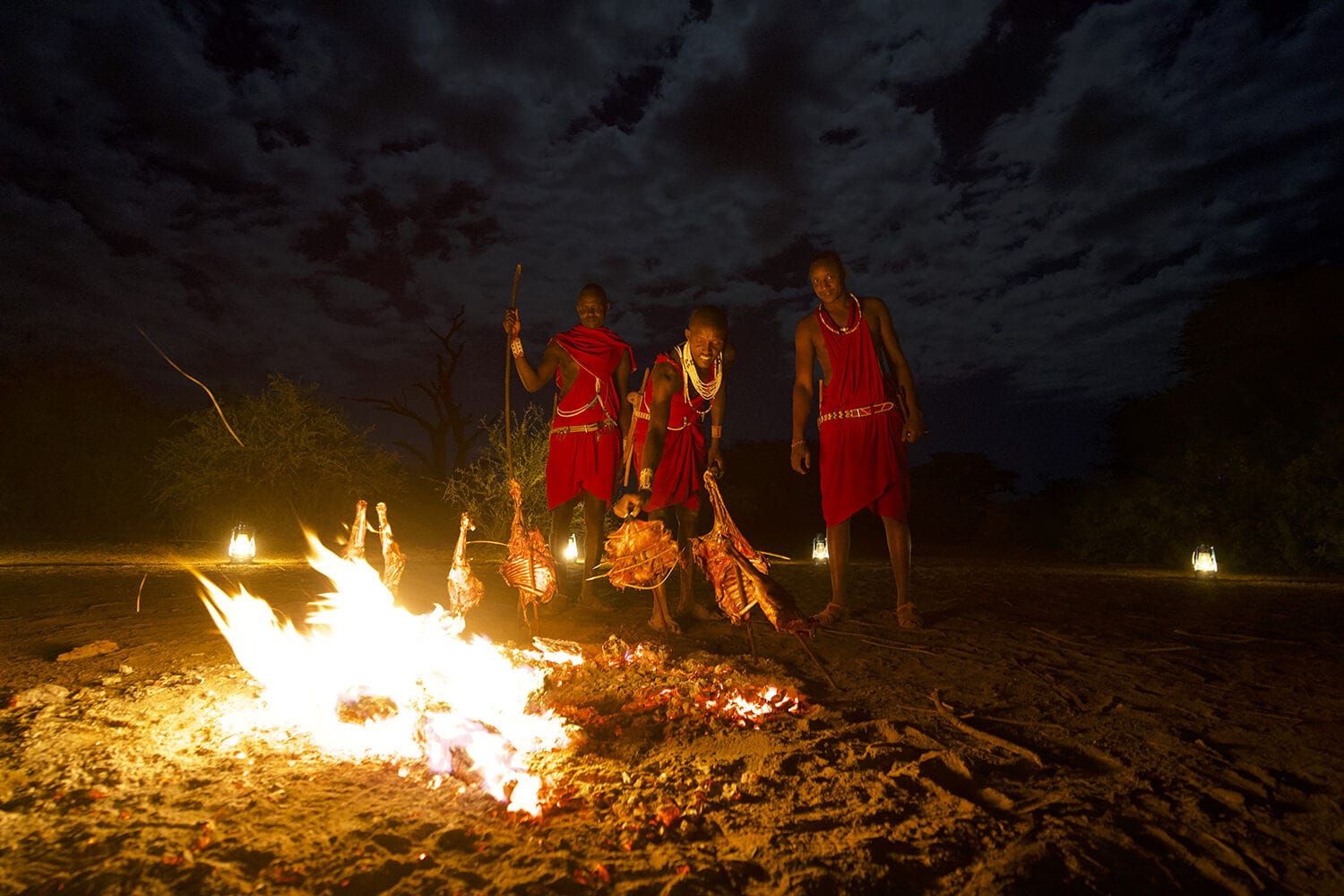
Cultural Visits – with few outside influences the life of the Masai here remains relatively traditional and unchanging. Guests can visit a Masai Engang (settlement) and discover more about their customs and way of life.
Walking with Baboons – the nearby Lale’enok Resource Centre, a short drive up-river from the camp, is the base for the Walking with Baboons programme. Arriving first thing in the morning before the baboons leave their sleeping site, guests are accompanied by Sisco or Joel, the local Masai baboon experts, and walk with the baboons and learn how they live and interact with each other

In Essence
- A unique and very engaging exclusive-use camp with deep roots in the local Masai community
- The perfect setting for an authentic, secluded, relaxing and immersive safari experience
- Smart and comfortable tented accommodation, airy living and dining areas, swimming pool and pool house
- Welcoming and knowledgeable owner-managers, hosts and guides
- Enjoy wonderful wildlife viewing and photography at the Shompole Hide
- Access to over 250,000 acres of community and conservancy land across a diversity of landscapes
- Day and night game drives, Masai cultural visits, walking with herdsmen, walking with baboons
- Kayaking, tubing and fishing on the lovely (and crocodile and hippo-free) Ewaso Ngiro River
- Accommodates up to 12 guests in 6 spacious riverside tents with ensuite bathrooms and verandas
Destination – Amboseli and Southern Kenya
tbc
Location – Shompole Conservancy

Shompole Group Ranch, of which Shompole Conservancy is a part, lies on the floor of the Great Rift Valley close to the Kenya / Tanzania border. It embraces majestic plains, volcanic mountains and lush green wetlands, and is bordered by Lake Magadi to the east, Lake Natron to the south, the Nguruman Escarpment to the west and Olkiramatian Group Ranch to the north.
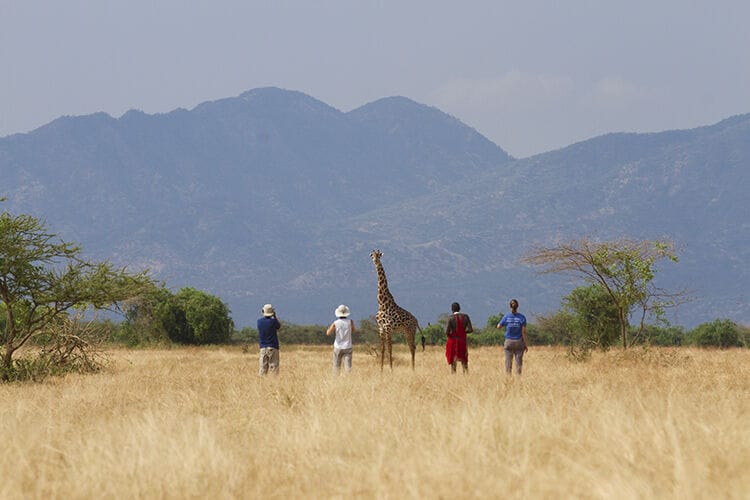
This lush grassland of the ranch, set amidst a semi-arid savannah, abounds with wildlife and livestock. The Shompole Ranch is an important migratory corridor and dispersal range for wildlife resident in the Ngurumans and Olkiramatian, including elephants which travel between Shompole and the Loita Hills. The area is one of the biodiversity hot spots in the South Rift region, lying between greater ecosystems of international importance – the Maasai Mara and Amboseli.
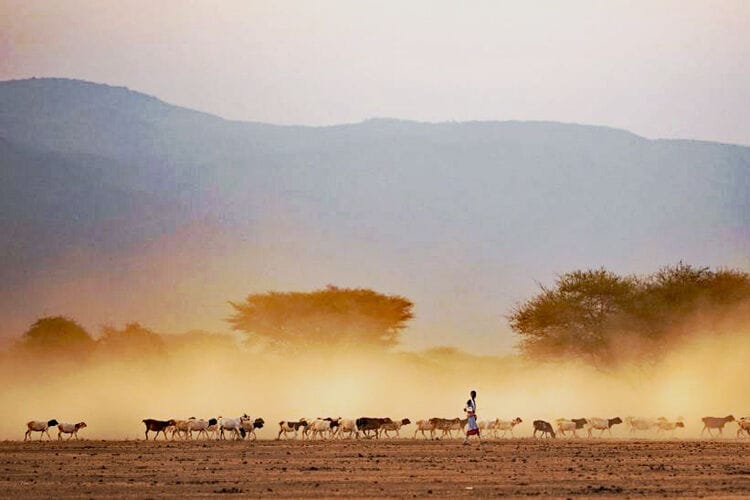
The 20,000 acre Shompole Community Conservancy was set up in the early 2000s, with the main aim of keeping the area as a ‘grass bank’ for cattle in times of severe drought. The area also acts as the same grazing refuge for a wide variety of wildlife to such an extent that the ecosystem now hosts one of the highest densities of giraffe in Kenya.
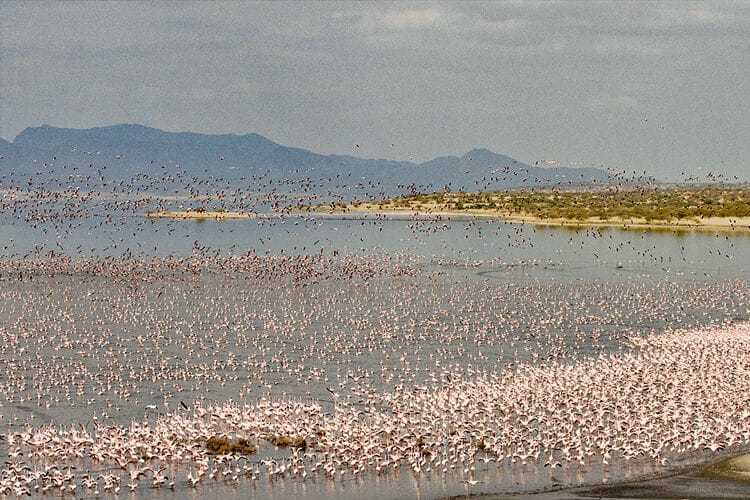
Lake Magadi is the southern-most and lowest of Kenya’s Rift Valley lakes and covers an area of 104 square km (40 square miles). A vision in pink, it is a saline, alkaline lake, formed and constantly supplied by volcanic hot springs which get as hot as 80 degrees Celsius. Its thick crust of carbonate soda is removed by a floating dredge and pumped into refineries, where it is processed into soda ash which is used in glass making.

Lake Natron is a large salt and soda lake in the Gregory Rift region of the Great Rift Valley of northern Tanzania, situated just across the border from Kenya and Shompole. The lake is dominated by Ol Doinyo Lengai, ‘The Mountain of God” in the Maasai language, an active volcano which uniquely produces natrocarbonatite lava. The lake is home to over 2 million Lesser Flamingos – 25% of the world population.
In Detail
tbc
Visitors' Book
“Sam, Johan, and their children have created a truly magical camp along the river. It truly exceeded my expectations. Every detail has been meticulously taken care of. The Masai staff were exceptional, always willing to assist with anything you may need. The camp seamlessly blends in with the natural surroundings, exuding subtle beauty in its design. Spread along the river, the layout ensures privacy for all guests. The food, although simple, was incredibly delicious. Watching the sunset and taking a dip in the river are experiences not to be missed. While I didn’t have the chance to stay in the hide, we did visit it, and it is exceptional. Whether you’re a beginner or an experienced photographer, this place will hold a special place in your memories.”
“A photographer’s paradise, an escapist’s utopia, beautiful and wild. We were lucky to stay in this lovely camp, hidden away from the rest of the world by a beautiful river where the service was attentive and genuinely kind, the food cooked in a camp kitchen was divine. Our hosts were extremely knowledgeable and passionate about the local culture and diverse wildlife, and the inclusion of the local people is an innovative and ethical way of running a business in the African wilderness. Do not miss a chance to tube down the river back into camp for sundowners and bitings. Breathtaking.”
“We booked Shompole Wilderness over Christmas for a group of us including several children. The trip was sensational and the amazing variety of options kept us entertained for the full three nights we were there. The kids absolutely loved tubing down the river and mud sliding down the river banks. Game viewing was not as prolific as the Maasai Mara, however the one-on-one sightings and complete privacy offered made this a really great wildlife destination. Our hosts during the stay were Johann and Sam and their lovely kids who could not have been more professional and helpful throughout our stay. We would not hesitate to recommend this camp to anyone looking for something really special and off the beaten track.”
Other handpicked properties
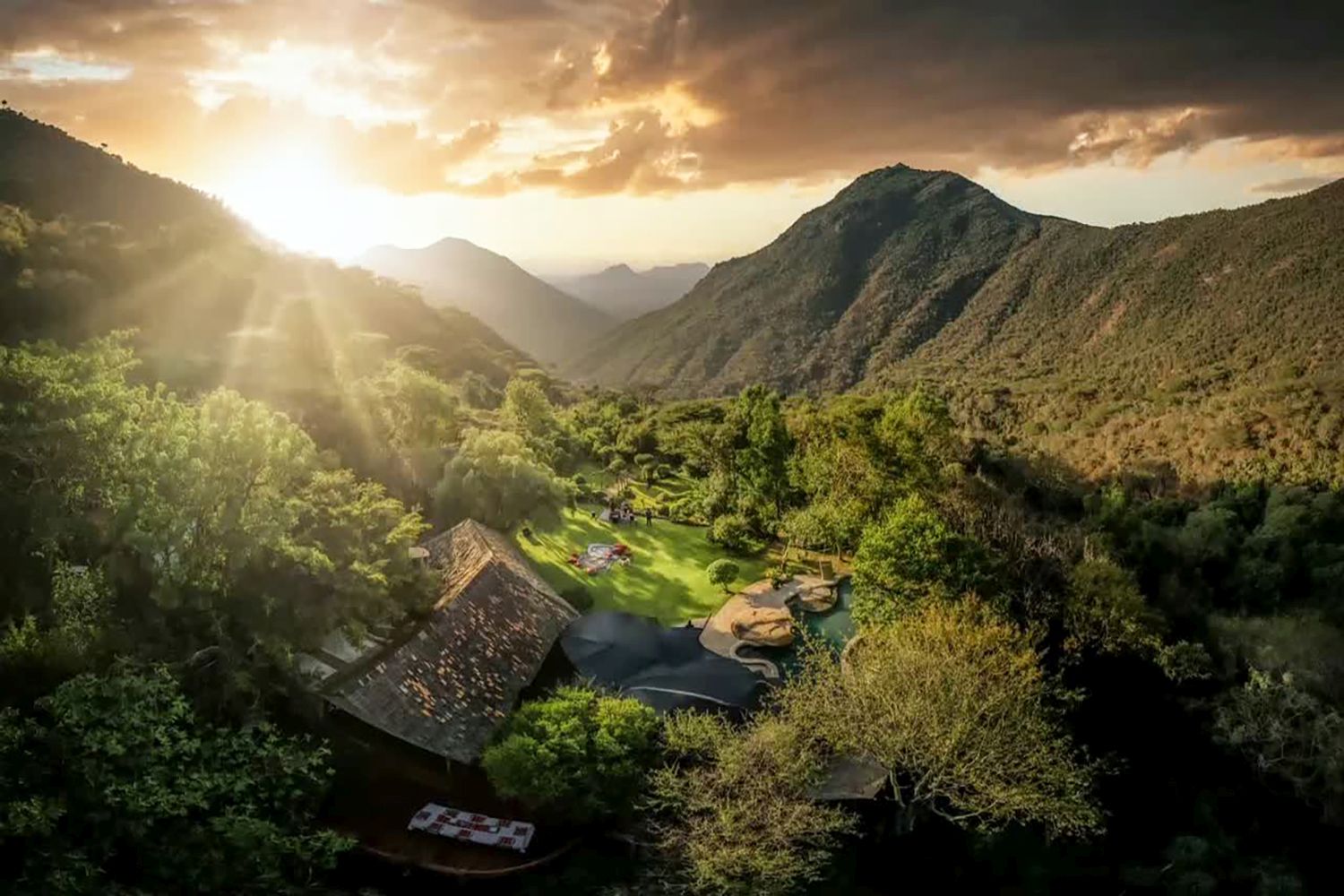
Desert Rose
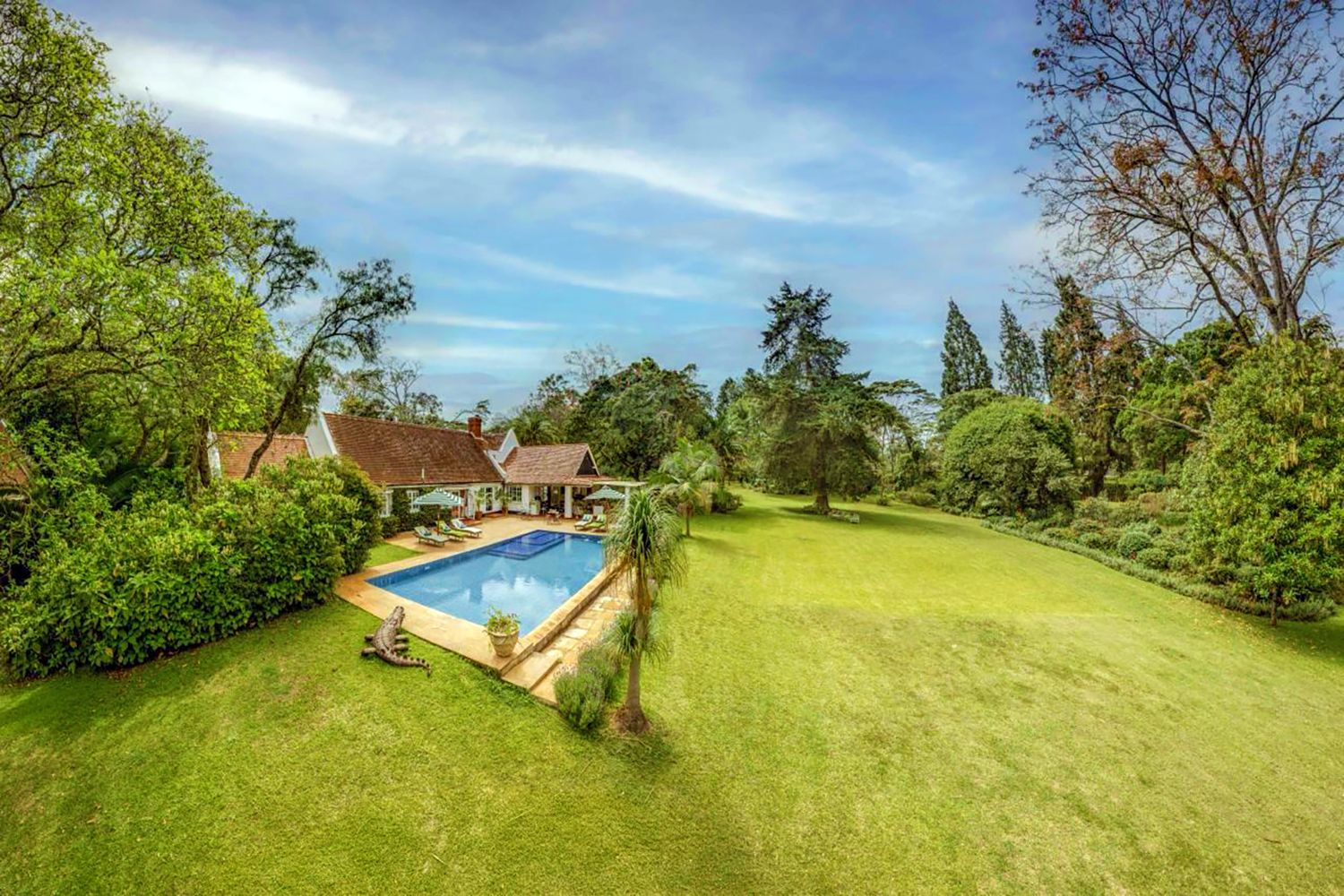
Hamilton House
Jahazi House
Kitirua Plains Lodge
Lewa Private Wilderness
Little Elephant Pepper Camp
Mara Toto Tree Camp
Pamba House
Rocky Hollow